

California Environmental Quality Act: exemption: urban intermodal rail station project.
Summary
The California Environmental Quality Act (CEQA) requires a lead agency, as defined, to prepare, or cause to be prepared, and certify the completion of, an environmental impact report on a project that it proposes to carry out or approve that may have a significant effect on the environment or to adopt a negative declaration if it finds that the project will not have that effect. CEQA also requires a lead agency to prepare a mitigated negative declaration for a project that may have a significant effect on the environment if revisions in the project would avoid or mitigate that effect and there is no substantial evidence that the project, as revised, would have a significant effect on the environment. Existing law exempts from CEQA a public project for the improvement, institution, or increase of passenger rail service, including the maintenance, construction, or rehabilitation of stations, terminals, or existing operations facilities that will be exclusively used by zero-emission trains or specified rolling stock or locomotives, as provided. This bill would exempt from CEQA, except as specified, a public urban, intermodal rail station project within a long-urbanized area within the statewide passenger rail network, at which high-capacity light, commuter, and intercity rail services converge that meets specified conditions, including, among other requirements, a requirement for compliance with various environmental laws and for the adoption of a plan for how any displacement from the project will be fully addressed, as provided. The bill would require a lead agency, if it determines that a project is not subject to CEQA pursuant to this exemption, and it determines to carry out the project, to file a notice of exemption with the Office of Land Use and Climate Innovation and the county clerk of the county in which the project is located, as provided. The bill would permit exemption only for projects for which a notice of exemption is filed before January 1, 2032. Because a lead agency would be required to determine the applicability of this exemption, the bill would impose a state-mandated local program. The California Constitution requires the state to reimburse local agencies and school districts for certain costs mandated by the state. Statutory provisions establish procedures for making that reimbursement. This bill would provide that no reimbursement is required by this act for a specified reason.
Bill status
passed both
4 of 5 stages cleared
Introduction
Feb 2026
Committee Review
Aug 2026
Senate Passage
May 2026
Assembly Passage
Aug 2026
Governor
Introduced Feb 20, 2026
Last action Aug 21, 2026
Maddy AI version diff · 6 comparisons
What changed between versions
08/19/26 - Enrolled
→
SB1375
·
1 edit
MINOR
No substantive policy changes were made between these two versions of SB 1375. The difference is purely presentational: the 'from' version is the formal enrolled document with traditional legislative formatting (page numbers, signature blocks, chapter heading), while the 'to' version is a web page rendering from the California Legislature website that includes navigation elements, bill tracking metadata, and a slightly different layout of the same text.
TECHNICAL
The bill text was reformatted from a traditional enrolled legislative document (with page numbers, signature lines, and chapter heading) into a web-based presentation that includes site navigation, bill version history, status tracking, and shareable metadata. The underlying statutory language is identical in both versions.
Floor votes · Senate May 19, 2026 · Assembly Aug 13, 2026
How they voted
39–0
Passed · 1 other
Total votes 40
May 19, 2026
D
Democratic30
100% Yea
R
Republican10
90% Yea
Vote distribution
All Yea
All Nay
Mixed
No data
Full legislative history
Actions timeline
Total actions
29
Key actions
13
Committee
7
Amendments
8
Aug 18, 2026
Upper · Passed
Assembly amendments concurred in. (Ayes 39. Noes 0.) Ordered to engrossing and enrolling.
upper
Aug 13, 2026
Introduced
In Senate. Concurrence in Assembly amendments pending.
upper
Aug 13, 2026
Lower · Passed
Read third time. Passed. Ordered to the Senate.
lower
Aug 6, 2026
Lower · Passed
Read third time and amended.
lower
Aug 5, 2026
Lower · Passed
From committee: Do pass. (Ayes 15. Noes 0.) (August 5).
lower
Jul 2, 2026
Lower · Passed
Read second time and amended. Re-referred to Com. on APPR.
lower
Jul 2, 2026
Lower · Passed
From committee: Do pass as amended and re-refer to Com. on APPR. (Ayes 13. Noes 0.) (June 22).
lower
Jun 1, 2026
Committee
Referred to Com. on NAT. RES.
lower
May 19, 2026
Upper · Passed
Read third time. Passed. (Ayes 39. Noes 0. Page 4354.) Ordered to the Assembly.
upper
May 11, 2026
Upper · Passed
From committee: Be ordered to second reading pursuant to Senate Rule 28.8.
upper
Apr 30, 2026
Upper · Passed
May 4 hearing postponed by committee.
upper
Apr 22, 2026
Upper · Passed
From committee: Do pass and re-refer to Com. on APPR. (Ayes 12. Noes 0. Page 3985.) (April 21). Re-referred to Com. on APPR.
upper
Apr 16, 2026
Upper · Passed
Read second time and amended. Re-referred to Com. on TRANS.
upper
Apr 15, 2026
Upper · Passed
From committee: Do pass as amended and re-refer to Com. on TRANS. (Ayes 7. Noes 0. Page 3900.) (April 15).
upper
Apr 8, 2026
Committee
Re-referred to Coms. on E.Q. and TRANS.
upper
Mar 25, 2026
Upper · Passed
From committee with author's amendments. Read second time and amended. Re-referred to Com. on RLS.
upper
Mar 4, 2026
Committee
Referred to Com. on RLS.
upper
Feb 20, 2026
Introduced
Introduced. To Com. on RLS. for assignment. To print.
upper
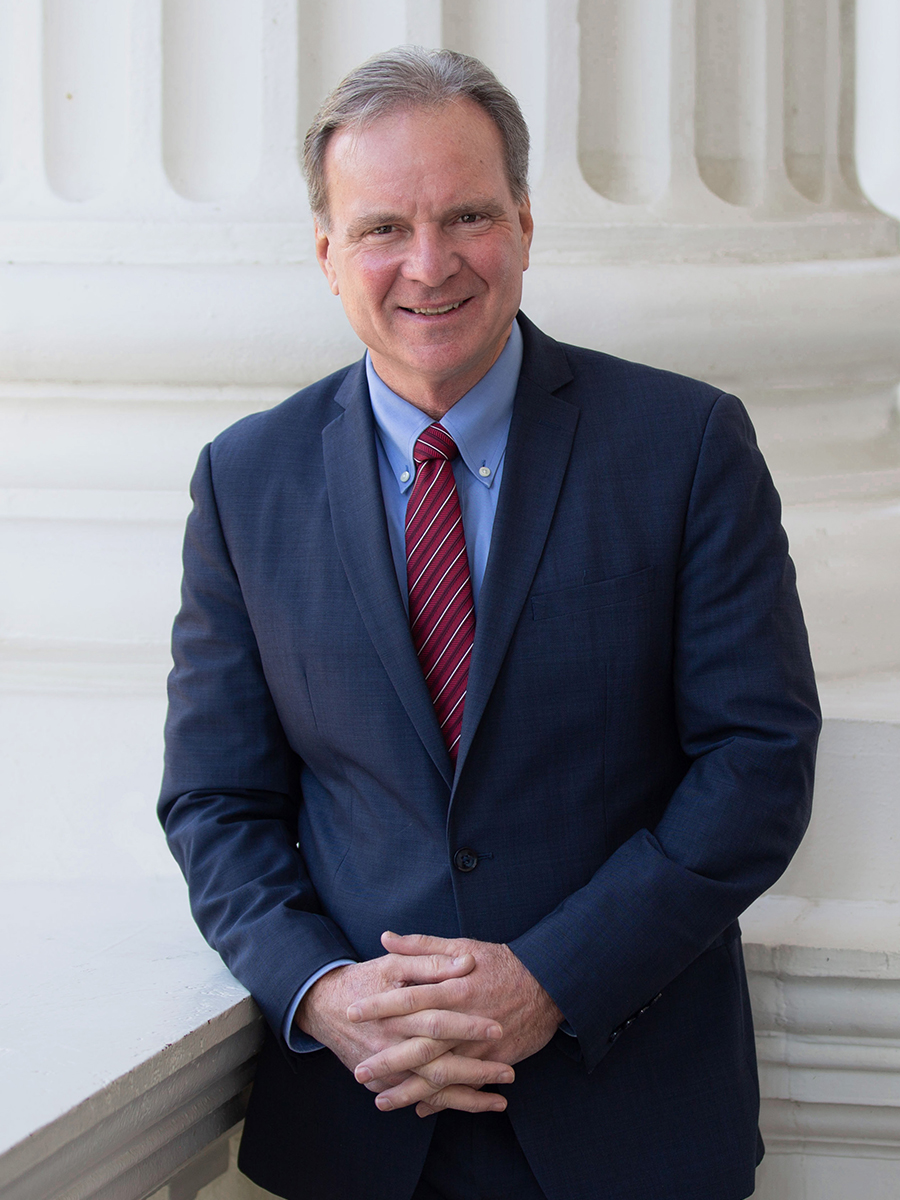
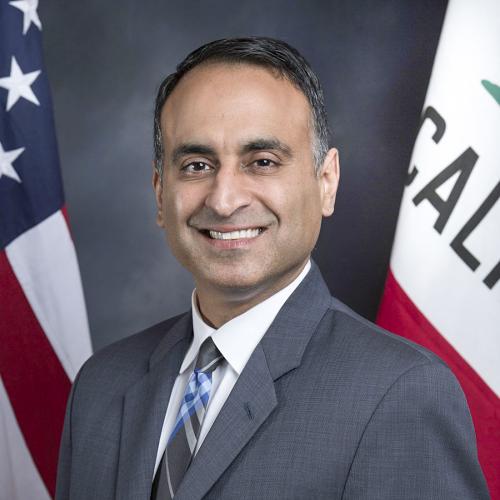
1 primary · 1 co-sponsor
Sponsors
Ask Maddy
·
AI policy assistant
Ask Maddy about SB 1375
Scope: CA
Hi! I can help you understand SB 1375. What would you like to know?
Try one of these
i
Maddy answers using official bill text and legislative records. Always verify before sharing.
Sources cited inline