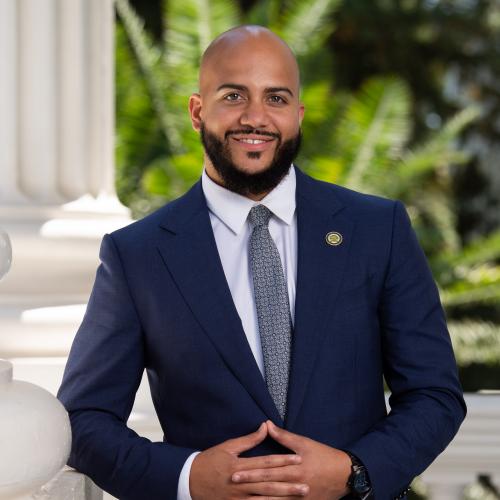
AB 926 California Assembly · 2025-2026 Regular Session

Juvenile court: visitation.

Summary
Existing law establishes a system of statewide child welfare services, administered by the State Department of Social Services and county child welfare agencies, with the intent that all children are entitled to be safe and free from abuse and neglect. Existing law establishes the jurisdiction of the juvenile court, which may adjudge a child to be a dependent of the court under certain circumstances, including when the child suffered, or there is a substantial risk that the child will suffer, serious physical harm, or a parent fails to provide the child with adequate food, clothing, shelter, or medical treatment. Existing law establishes the grounds for removal of a dependent child from the custody of their parents or guardian, and establishes procedures to determine placement of a dependent child. Existing law authorizes the court to make orders regarding visitation between a child and parent or legal guardian, subject to specified conditions. Existing law prohibits a visitation from jeopardizing the safety of a child. This bill would require, at the initial petition hearing, the court to make an order regarding visitation between the child and the parent or legal guardian, setting forth the frequency and duration most conducive to quality family time, and whether the visitation must be supervised. The bill would require the court to order contact between the parent and child commencing within 72 hours. The bill would remove the above-described prohibition prohibiting a visitation from jeopardizing the safety of a child. This bill would require a court to order unsupervised visitation between a parent or legal guardian and a child or children, unless unsupervised visitation is contrary to the child's welfare and there is a substantial danger to the physical health of the child or the child is suffering severe emotional damage and the child's physical or emotional health cannot reasonably be protected without supervised visitation, or there is substantial evidence that the parent or legal guardian may flee the jurisdiction with the child. The bill would require, if the court orders supervised visitation, the court to specify the factual basis for its order and order the agency to assess persons proposed by a parent or guardian to supervise the visitation. The bill would also require social workers or their designee to supervise visits in specified circumstances when an alternate individual has not been approved to supervise visits. The bill would require the court to order that the agency has discretion to liberalize the visitation to unsupervised unless the court finds granting this discretion would be contrary to the child's safety. Existing law requires social workers to create reports and recommendations to be reviewed by the court as part of a permanency review hearing. This bill would require social workers to specify why the return of the child would be detrimental to the child and, if visitation has not been liberalized, what efforts were put in place to liberalize the parent or legal guardian's visits and why liberalization was contrary to the child's welfare. By increasing the duties of county social workers, this bill would impose a state-mandated local program. The California Constitution requires the state to reimburse local agencies and school districts for certain costs mandated by the state. Statutory provisions establish procedures for making that reimbursement. This bill would provide that no reimbursement is required by this act for a specified reason.
Bill status failed 1 of 4 stages cleared
Introduction
Feb 2025
Committee Review
Floor Vote
Governor
Introduced Feb 19, 2025 Last action Feb 2, 2026
Maddy AI version diff · 1 comparison

What changed between versions

02/19/25 - Introduced AB926 · 7 edits
MODERATE
AB 926 was substantially revised from its introduced form. The introduced version established a strong presumption in favor of unsupervised parent-child visitation in juvenile dependency cases, required courts to order visitation at the initial petition hearing with contact beginning within 72 hours, and imposed detailed reporting duties on social workers regarding efforts to liberalize visits. The revision appears to replace the entire bill text, suggesting significant changes to these core provisions.
Scope change
The bill applies to all juvenile dependency cases in California where a child is removed from parental custody. The introduced version applied its visitation mandates across multiple stages: initial petition hearing (Section 319), dispositional hearing (Section 362.1), non-removal supervision hearings (Section 364), and 6-month review hearings (Section 366.21).
REQUIREMENT

The introduced version required courts at the initial petition hearing (Section 319) to make a visitation order specifying frequency, duration conducive to quality family time, and whether supervision is needed, with parent-child contact commencing within 72 hours.

The introduced version prohibited using a parent's noncustodial status or lack of established relationship with the child as the sole basis for denying unsupervised visitation.

The introduced version required visits to take place in the least restrictive setting most conducive to quality family time.

ELIGIBILITY

The introduced version created a presumption of unsupervised visitation in Sections 362.1 and 364: courts had to order unsupervised visitation unless they found either (1) substantial danger to the child's physical health or severe emotional damage with no reasonable means to protect without supervision, or (2) substantial evidence the parent may flee the jurisdiction.

ENFORCEMENT

The introduced version required that if supervised visitation was ordered, the court must specify the factual basis, order the agency to assess persons proposed by the parent to supervise, and grant the agency discretion to liberalize visits to unsupervised unless the court finds it contrary to the child's safety.

The introduced version required social workers (Section 366.21) to specify in their reports why returning the child would be detrimental and, if visitation had not been liberalized, what efforts were made to liberalize visits and why liberalization was contrary to the child's welfare.

SCOPE

The introduced version removed the existing statutory prohibition that no visitation order shall jeopardize the safety of the child, replacing it with the more specific unsupervised-visitation standard.

Floor votes

How they voted

No floor votes recorded yet.
Full legislative history

Actions timeline

Total actions
9
Key actions
5
Committee
7
Feb 2, 2026
Lower · Passed
From committee: Filed with the Chief Clerk pursuant to Joint Rule 56.
lower
May 23, 2025
Lower · Passed
In committee: Held under submission.
lower
Apr 23, 2025
Committee
In committee: Set, first hearing. Referred to suspense file.
lower
Apr 9, 2025
Lower · Passed
From committee: Do pass and re-refer to Com. on APPR. (Ayes 6. Noes 0.) (April 8). Re-referred to Com. on APPR.
lower
Mar 26, 2025
Lower · Passed
From committee: Do pass and re-refer to Com. on HUM. S. (Ayes 9. Noes 0.) (March 25). Re-referred to Com. on HUM. S.
lower
Mar 10, 2025
Committee
Referred to Coms. on JUD. and HUM. S.
lower
Feb 20, 2025
Lower · Passed
From printer. May be heard in committee March 22.
lower
1 primary · 2 co-sponsors

Sponsors