

Alcoholic beverages: hours of sale: hospitality zones.
Summary
Existing law, the Alcoholic Beverage Control Act, which is administered by the Department of Alcoholic Beverage Control, regulates the application for, and the issuance and suspension of, alcoholic beverage licenses. Existing law requires moneys collected as fees pursuant to the act to be deposited in the Alcohol Beverage Control Fund, with those moneys generally allocated to the Department of Alcoholic Beverage Control upon appropriation by the Legislature. Existing law makes it a misdemeanor for any on- or off-sale licensee, or agent or employee of the licensee, to sell, give, or deliver to any person any alcoholic beverage between the hours of 2 a.m. and 6 a.m. of the same day, and for any person who knowingly purchases any alcoholic beverages between those hours. This bill, beginning June 1, 2026, would allow an on-sale licensee, or their agent or employee, to sell or give alcoholic beverages until 4 a.m. on Fridays, Saturdays, or specified state holidays within a hospitality zone, defined to include a Hospitality Zone and a Special Event Hospitality Zone established pursuant to the bill's provisions, as specified. The bill would authorize the department to issue, following the adoption of rules and regulations and the satisfaction of any conditions for issuance, as specified, an additional serving hours license that authorizes an on-sale licensee, or their agent or employee, to sell or give alcoholic beverages within the timeframes described above in a hospitality zone, as specified. The bill would authorize an additional service hours license to be used by a licensed premises in a Hospitality Zone if a local governing body, as defined, of the city or county, as applicable, in which the licensed premises is located adopts an ordinance that meets certain requirements, as specified, and submits the ordinance to the department. The bill would also require, before the adoption of that ordinance, local law enforcement to present to the local governing body a late night policing plan that includes specified components, including, among other things, an analysis on the potential impact of creating a hospitality zone on public safety. The bill would authorize an additional service hours license to also be used by a licensed premises in a Special Event Hospitality Zone if a local governing body of the city or county, as applicable, in which the licensed premises is located adopts an ordinance that meets certain requirements and submits the ordinance to the department. The bill would require the ordinance to identify a Special Event Hospitality Zone in which an on-sale licensed premises would be eligible for an additional serving hours license, as specified, or to authorize at least one local department or other local entity to identify Special Event Hospitality Zones in which an on-sale licensed premises would be eligible for an additional serving hours license. The bill would require the local governing body, or the local department or other local entity authorized by the local governing body, to identify a Special Event Hospitality Zone in which an on-sale licensed premises would be eligible for an additional serving hours license subject to certain requirements, including that the local governing body, or the local department or other local entity authorized by the local governing body, draws or otherwise identifies on a map of the local area the boundary of each Special Event Hospitality Zone as specified, and identifies the duration in which each Special Event Hospitality Zone is operative, as specified. The bill, beginning January 1, 2026, would authorize a local governing body to comply with the above-described requirements and submit an ordinance described above to the department. The bill would also authorize the department to review those ordinances. The bill, beginning June 1, 2026, and subject to the department receiving an applicable ordinance described above, would authorize an on-sale licensee to apply for an additional serving hours license. In this regard, the bill would require an applicant for an additional serving hours license to pay a $2,500 fee at the time of application and specify that the fee for an original and annual additional serving hours license is $2,500, and would require these fees to be deposited into the Alcohol Beverage Control Fund. The bill would require the $2,500 fees to be adjusted annually by the department for inflation based on changes to the California Consumer Price Index for All Urban Consumers. The bill would, among other things, prohibit an on-sale licensee from exercising off-sale privileges during the additional serving hours permitted pursuant to an additional serving hours license and specify that an additional serving hours license is not transferrable between on-sale licensed premises. The bill would authorize a local governing body to charge an additional serving hours licensee a fee to fund local law enforcement. The bill would require the department, upon receipt of an application by an on-sale licensee for an additional serving hours license, to make a thorough investigation. The bill would require the applicant to notify law enforcement and residents, who may then file with the department protests and requests for a hearing, as specified. The bill would make it a misdemeanor for any person under 21 years of age to enter and remain in licensed premises during the additional service hours period without lawful business therein punishable by a fine of not less than $200. By creating a new crime, the bill would impose a state-mandated local program. The bill would require the department to adopt rules and regulations to enforce these provisions. The bill would require a city or county, as applicable, that by ordinance identifies, or authorizes a local department or other local entity to identify, a hospitality zone to provide the Legislature an annual report on its impact, as specified. The bill would require the Department of the California Highway Patrol, on or before January 1, 2029, to provide to the Legislature a report on the regional impact of the hospitality zones, as specified, and would authorize regional entities, including law enforcement, to provide information to that department on the impact that the hospitality zones had in their jurisdiction, as specified. The bill would repeal its provisions on January 1, 2031. The California Constitution requires the state to reimburse local agencies and school districts for certain costs mandated by the state. Statutory provisions establish procedures for making that reimbursement. This bill would provide that no reimbursement is required by this act for a specified reason.
Bill status
passed
3 of 5 stages cleared
Introduction
Jan 2025
Committee Review
Jul 2025
Assembly Passage
Jun 2025
Senate Passage
Governor
Introduced Jan 28, 2025
Last action Jul 8, 2025
Floor votes · Assembly Jun 3, 2025
How they voted
50–11
Passed · 17 other
Total votes 78
Jun 3, 2025
D
Democratic59
67% Yea
R
Republican19
52% Yea
Vote distribution
All Yea
All Nay
Mixed
No data
Full legislative history
Actions timeline
Total actions
18
Key actions
5
Committee
7
Amendments
6
Jul 8, 2025
Upper · Passed
In committee: Set, first hearing. Hearing canceled at the request of author.
upper
Jul 1, 2025
Introduced
From committee chair, with author's amendments: Amend, and re-refer to committee. Read second time, amended, and re-referred to Com. on G.O.
upper
Jun 18, 2025
Committee
Referred to Com. on G.O.
upper
Jun 3, 2025
Lower · Passed
Read third time. Passed. Ordered to the Senate. (Ayes 50. Noes 11. Page 2003.)
lower
May 23, 2025
Lower · Passed
Read second time and amended. Ordered returned to second reading.
lower
May 23, 2025
Introduced
From committee: Amend, and do pass as amended. (Ayes 11. Noes 1.) (May 23).
lower
May 14, 2025
Committee
In committee: Set, first hearing. Referred to suspense file.
lower
Apr 30, 2025
Committee
Re-referred to Com. on APPR.
lower
Apr 29, 2025
Lower · Passed
Read second time and amended.
lower
Apr 28, 2025
Introduced
From committee: Amend, and do pass as amended and re-refer to Com. on APPR. (Ayes 15. Noes 2.) (April 23).
lower
Apr 1, 2025
Committee
Re-referred to Com. on G.O.
lower
Mar 28, 2025
Introduced
From committee chair, with author's amendments: Amend, and re-refer to Com. on G.O. Read second time and amended.
lower
Feb 10, 2025
Committee
Referred to Com. on G.O.
lower
Jan 29, 2025
Lower · Passed
From printer. May be heard in committee February 28.
lower
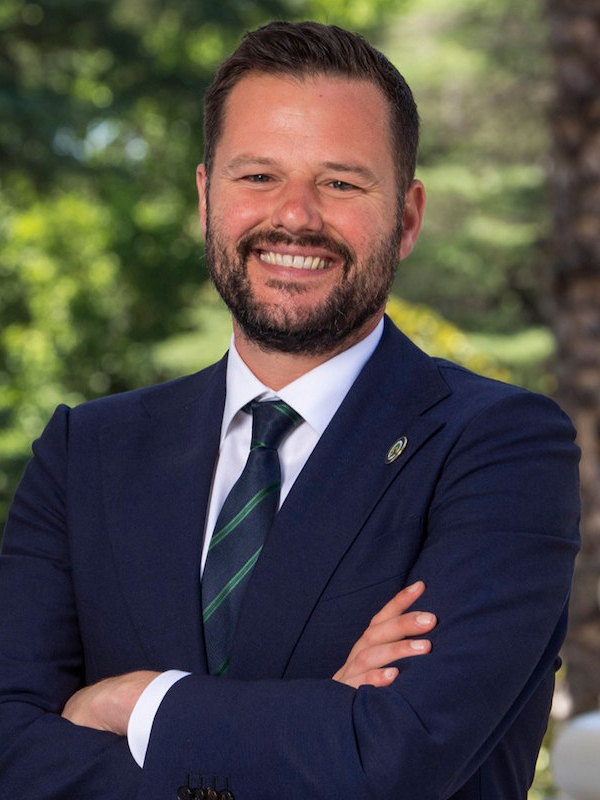
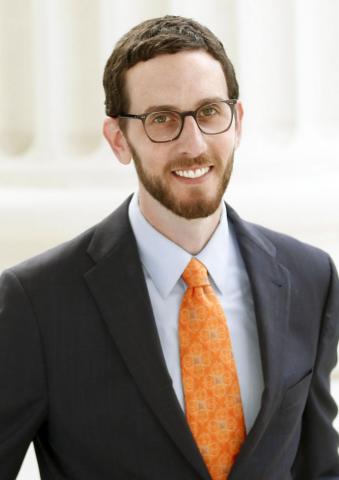
1 primary · 5 co-sponsors
Sponsors


Ask Maddy
·
AI policy assistant
Ask Maddy about AB 342
Scope: CA
Hi! I can help you understand AB 342. What would you like to know?
Try one of these
i
Maddy answers using official bill text and legislative records. Always verify before sharing.
Sources cited inline