

Medi-Cal: Home and Community-Based Alternatives Waiver.
Summary
Existing law establishes the Medi-Cal program, which is administered by the State Department of Health Care Services and under which qualified low-income individuals receive health care services. The Medi-Cal program is, in part, governed and funded by federal Medicaid program provisions. Under existing law, home- and community-based services (HCBS) approved by the United States Department of Health and Human Services are covered for eligible individuals to the extent that federal financial participation is available for those services under the state plan or waivers granted in accordance with certain federal provisions. Existing law authorizes the Director of Health Care Services to seek waivers for any or all approvable HCBS. Existing law sets forth provisions for the implementation of the Nursing Facility/Acute Hospital Transition and Diversion Waiver, which is the predecessor of the Home and Community-Based Alternatives (HCBA) Waiver, for purposes of providing care management services to individuals who are at risk of nursing facility or institutional placement. This bill would recast those provisions to refer to the HCBA Waiver. The bill would delete a provision authorizing the expansion of the number of waiver slots up to 5,000 additional slots, and would instead require the enrollment of all eligible individuals who apply for the HCBA Waiver. The bill would require the department, by March 1, 2026, to seek any necessary amendments to the waiver to ensure that there is sufficient capacity to enroll all eligible individuals who are currently on a waiting list for the waiver, as specified. The bill would require the department, by March 1, 2026, to submit a rate study to the appropriate fiscal and policy committees of the Legislature addressing the sustainability, quality, and transparency of rates for the HCBA Waiver. The bill would require that the study include an assessment of the effectiveness of the methods used to pay for services under the waiver, with consideration of certain factors. The bill would make related legislative findings.
Bill status
failed
1 of 4 stages cleared
Introduction
Jan 2025
Committee Review
Floor Vote
Governor
Introduced Jan 23, 2025
Last action Feb 2, 2026
Maddy AI version diff · 1 comparison
What changed between versions
01/23/25 - Introduced
→
AB315
·
1 edit
MINOR
No substantive policy changes were made to AB 315 between these two versions. The diff reflects a transition from a printed legislative document format (with line numbers and page headers) to a web-based display format on the California legislature website, adding navigation elements and reformatting the same bill text.
TECHNICAL
The document was reformatted from a printed legislative style (with line numbers, page headers/footers, and traditional layout) to a web-based display format with navigation menus, search fields, and standard website UI elements. The actual bill text content is identical between both versions.
Floor votes
How they voted
No floor votes recorded yet.
Full legislative history
Actions timeline
Total actions
9
Key actions
4
Committee
6
Feb 2, 2026
Lower · Passed
From committee: Filed with the Chief Clerk pursuant to Joint Rule 56.
lower
May 23, 2025
Lower · Passed
In committee: Held under submission.
lower
Apr 9, 2025
Committee
In committee: Set, first hearing. Referred to APPR. suspense file.
lower
Mar 26, 2025
Lower · Passed
From committee: Do pass and re-refer to Com. on APPR. (Ayes 14. Noes 0.) (March 25). Re-referred to Com. on APPR.
lower
Feb 10, 2025
Committee
Referred to Com. on Health.
lower
Jan 24, 2025
Lower · Passed
From printer. May be heard in committee February 23.
lower
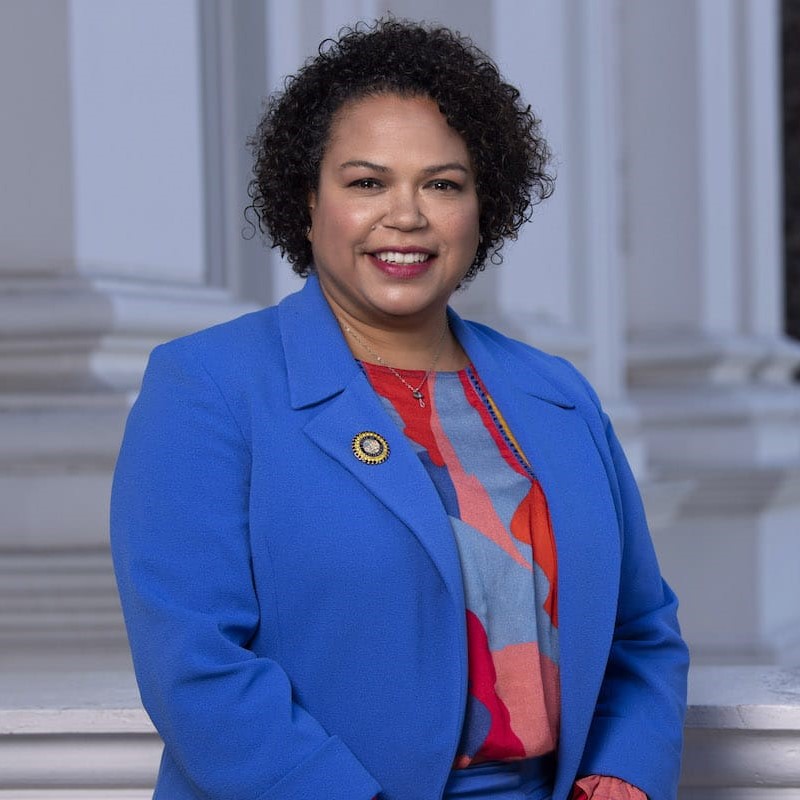
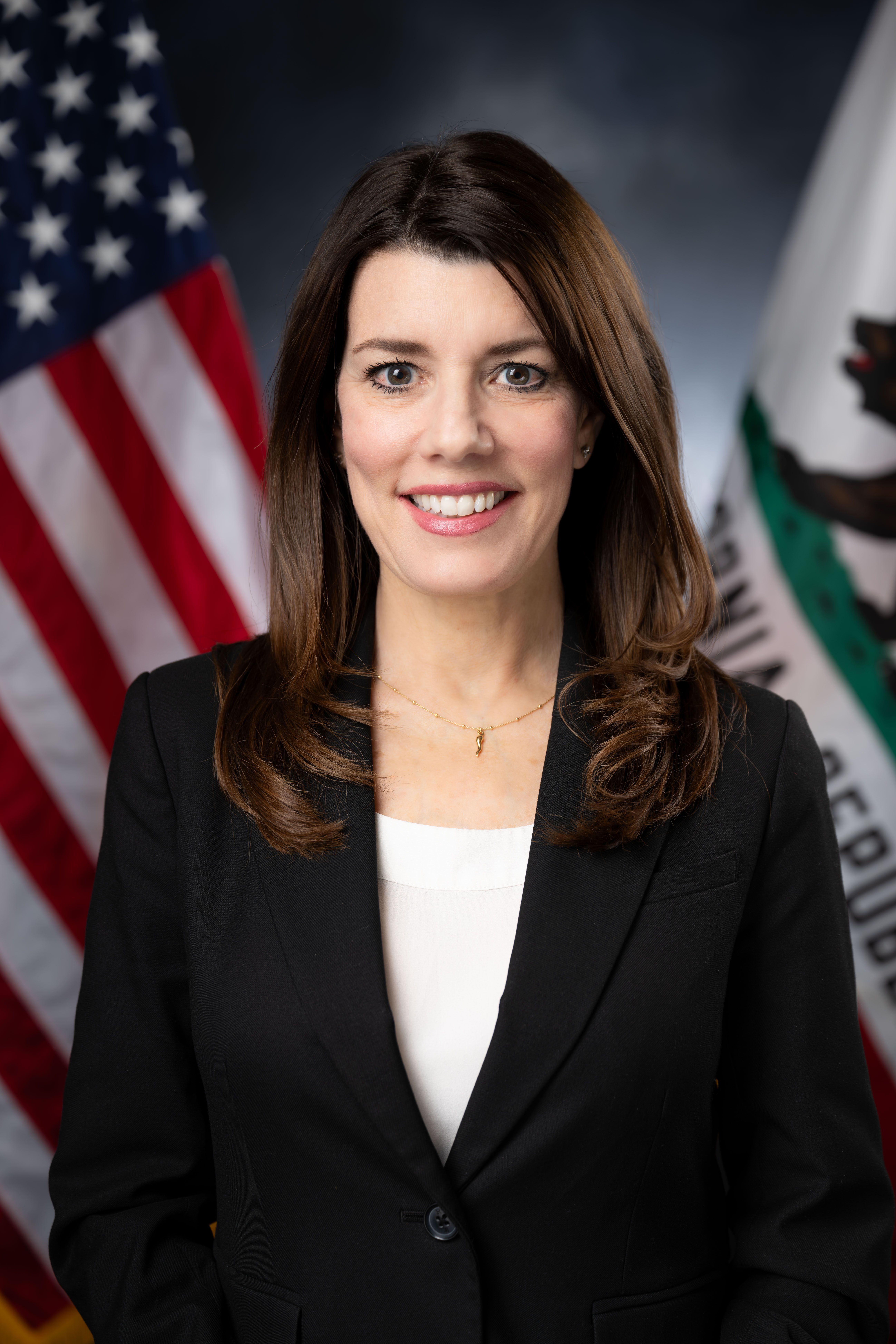
1 primary · 1 co-sponsor
Sponsors
Ask Maddy
·
AI policy assistant
Ask Maddy about AB 315
Scope: CA
Hi! I can help you understand AB 315. What would you like to know?
Try one of these
i
Maddy answers using official bill text and legislative records. Always verify before sharing.
Sources cited inline