

Artificial intelligence technology.
Summary
(1) Existing law prohibits the false impersonation of another person in either their personal or official capacity with the intent to steal or defraud, as specified. This bill would define various terms related to artificial intelligence and synthetic content, and would clarify that use of such synthetic content, as specified, is deemed to be a false personation for purposes of these and other criminal provisions. (2) Existing law creates a civil cause of action against any person who knowingly uses the name, voice, signature, photograph, or likeness of another person, without their consent, for specified purposes. This bill would clarify that, for purposes of this cause of action, a synthetic voice or likeness that a reasonable person would believe to be a genuine voice or likeness, is deemed to be the voice or likeness of the person depicted. (3) Existing law governs the admissibility of evidence in court proceedings. Existing law prescribes procedures for the authentication of photographs and audio and video recordings. This bill would require the Judicial Council, by no later than January 1, 2026, to review the impact of artificial intelligence on the introduction of evidence in court proceedings and develop any necessary rules of court to assist courts in assessing claims that evidence that is being introduced has been generated by or manipulated by artificial intelligence. (4) Existing law establishes the Department of Consumer Affairs the within the Business, Consumer Services, and Housing Agency to protect and promote the interests of consumers. Existing law places certain requirements on various specified businesses, including household movers, tanning facilities, video arcades, and tax preparers. This bill would require, by July 1, 2026, any person or entity that sells or provides access to any artificial intelligence technology that is designed to create synthetic content, as defined, to provide a consumer warning that misuse of the technology may result in civil or criminal liability for the user. The bill would require the Department of Consumer Affairs to specify the form and content of the consumer warning and post it on a publicly accessible page of its internet website by January 1, 2026. The bill would also impose a civil penalty for violations of the requirement.
Bill status
in committee
1 of 4 stages cleared
Introduction
Jan 2024
Committee Review
Floor Vote
Governor
Introduced Jan 25, 2024
Last action May 16, 2024
Floor votes
How they voted
No floor votes recorded yet.
Full legislative history
Actions timeline
Total actions
12
Key actions
4
Committee
3
Amendments
2
May 16, 2024
Upper · Passed
May 16 hearing: Held in committee and under submission.
upper
Apr 23, 2024
Upper · Passed
From committee: Do pass and re-refer to Com. on APPR. (Ayes 5. Noes 0. Page 3730.) (April 23). Re-referred to Com. on APPR.
upper
Apr 11, 2024
Upper · Passed
Read second time and amended. Re-referred to Com. on PUB S.
upper
Apr 10, 2024
Upper · Passed
From committee: Do pass as amended and re-refer to Com. on PUB S. (Ayes 11. Noes 0. Page 3530.) (April 9).
upper
Feb 14, 2024
Committee
Referred to Coms. on JUD. and PUB S.
upper
Jan 25, 2024
Introduced
Introduced. Read first time. To Com. on RLS. for assignment. To print.
upper
1 primary · 0 co-sponsors
Sponsors
Role
Legislator
Party
State
District
P
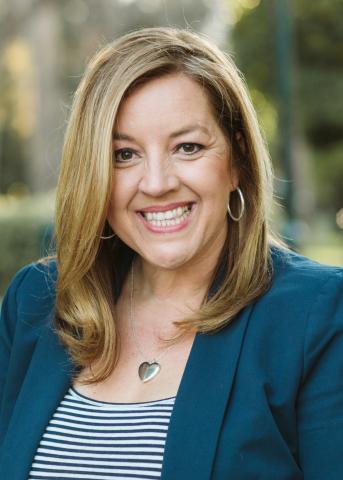
Angelique Ashby
DDemocratic
Ask Maddy
·
AI policy assistant
Ask Maddy about SB 970
Scope: CA
Hi! I can help you understand SB 970. What would you like to know?
Try one of these
i
Maddy answers using official bill text and legislative records. Always verify before sharing.
Sources cited inline