

Pupil meals.
Summary
(1) Existing law establishes a system of public elementary and secondary schools in this state. This system is composed of local educational agencies throughout the state that provide instruction to pupils in kindergarten and grades 1 to 12, inclusive, at schoolsites operated by these agencies. Existing law, commencing with the 2022–23 school year, requires each school district and county superintendent of schools maintaining kindergarten or any of grades 1 to 12, inclusive, and each charter school to provide 2 nutritiously adequate school meals free of charge during each schoolday, regardless of the length of the schoolday, to any pupil who requests a meal without consideration of the pupil's eligibility for a federally funded free or reduced-price meal, as specified, with a maximum of one free meal for each meal service period. Existing law requires the department to develop and maintain nutrition guidelines for school lunches and breakfasts, and for all food and beverages sold on public school campuses. Existing law requires a school district, county superintendent of schools, or charter school to provide each needy pupil with one nutritionally adequate free or reduced-price meal during each schoolday, except as provided. This bill would revise and recast provisions regarding school meals for needy pupils by, among other things, instead requiring each school district, county superintendent of schools, and charter school to make available a nutritionally adequate breakfast, as defined, and a nutritionally adequate lunch, as defined, free of charge during each schoolday, as defined, to any pupil who requests a meal, without consideration of the pupil's eligibility for a federally funded free or reduced-price meal, as provided. The bill would require each school district, county office of education, or charter school that offers independent study to meet the above meal requirements for any pupil on any schoolday that the pupil is scheduled for educational activities, as provided. The bill would require the State Department of Education to submit a waiver request to the United States Department of Agriculture to allow for one meal to be provided during a schoolday lasting 4 hours or less to be served in a noncongregate manner. The bill would authorize each school district, county superintendent of schools, and charter school to make available either a nutritionally adequate breakfast or a nutritionally adequate lunch, as defined, in a noncongregate manner, as provided, if the State Department of Education receives approval for the federal noncongregate waiver. The bill would require each school district, county superintendent of schools, and charter school to provide pupils with adequate time to eat, as determined by that school district, county superintendent of schools, or charter school in consideration of the recommendations provided by the department. The bill would require a chartering authority, among other things, to provide technical assistance to a charter school to meet these meal requirements, as provided. If the federal School Breakfast Program and federal National School Lunch Program allow more added sugar or sodium than is recommended by the most recent Dietary Guidelines for Americans, as described, the bill would require the department to convene representatives from specified entities to work in partnership to provide maximum daily added sugar and sodium intake recommendations for each grade level, as provided. The bill also would make conforming changes to related provisions of law. By imposing additional duties on local educational agencies and officials, the bill would impose a state-mandated local program. (2) Existing law authorizes the governing board of a school district to establish rules to determine which pupils are needy and authorizes a nominal cash payment for school meals to be collected from pupils that are not eligible for free meals and requires the State Department of Education to determine the amount of cash payment that may be required of those pupils. Existing law requires the Superintendent of Public Instruction to reimburse school districts for free and reduced-price meals served or sold based on the median statewide meal costs. This bill would delete those provisions. (3) Existing federal law provides for the permanent and nationwide Summer Electronic Benefit Transfer for Children (Summer EBT) program, under which pupils who are eligible for free and reduced-price school meals receive $40 per month during summer months for grocery benefits. This bill would require the State Department of Education to work in partnership with the State Department of Social Services to maximize participation in the federal Summer EBT program, as provided. (4) The California Constitution requires the state to reimburse local agencies and school districts for certain costs mandated by the state. Statutory provisions establish procedures for making that reimbursement. This bill would provide that, if the Commission on State Mandates determines that the bill contains costs mandated by the state, reimbursement for those costs shall be made pursuant to the statutory provisions noted above.
Bill status
signed
all 5 stages cleared
Introduction
Feb 2023
Committee Review
Jul 2023
Senate Passage
May 2023
Assembly Passage
Sep 2023
Signed into Law
Oct 2023
Introduced Feb 8, 2023
Signed Oct 8, 2023
Floor votes · Senate May 30, 2023 · Assembly Sep 6, 2023
How they voted
40–0
Passed
Total votes 40
May 30, 2023
D
Democratic31
100% Yea
R
Republican9
100% Yea
Vote distribution
All Yea
All Nay
Mixed
No data
Full legislative history
Actions timeline
Total actions
32
Key actions
15
Committee
5
Amendments
10
Oct 8, 2023
Signed into law
Approved by the Governor.
legislature
Sep 7, 2023
Upper · Passed
Assembly amendments concurred in. (Ayes 40. Noes 0. Page 2469.) Ordered to engrossing and enrolling.
upper
Sep 6, 2023
Introduced
In Senate. Concurrence in Assembly amendments pending.
upper
Sep 6, 2023
Lower · Passed
Read third time. Passed. (Ayes 79. Noes 0. Page 2965.) Ordered to the Senate.
lower
Sep 1, 2023
Lower · Passed
Read second time and amended. Ordered to second reading.
lower
Sep 1, 2023
Lower · Passed
From committee: Do pass as amended. (Ayes 11. Noes 0.) (September 1).
lower
Jul 12, 2023
Lower · Passed
From committee: Do pass and re-refer to Com. on APPR. with recommendation: To consent calendar. (Ayes 7. Noes 0.) (July 11). Re-referred to Com. on APPR.
lower
Jun 30, 2023
Lower · Passed
Read second time and amended. Re-referred to Com. on HUM. S.
lower
Jun 29, 2023
Lower · Passed
From committee: Do pass as amended and re-refer to Com. on HUM. S. (Ayes 7. Noes 0.) (June 28).
lower
Jun 14, 2023
Lower · Passed
From committee with author's amendments. Read second time and amended. Re-referred to Com. on ED.
lower
Jun 8, 2023
Committee
Referred to Coms. on ED. and HUM. S.
lower
May 30, 2023
Upper · Passed
Read third time. Passed. (Ayes 40. Noes 0. Page 1364.) Ordered to the Assembly.
upper
May 18, 2023
Upper · Passed
Read second time and amended. Ordered to second reading.
upper
May 18, 2023
Upper · Passed
From committee: Do pass as amended. (Ayes 7. Noes 0. Page 1166.) (May 18).
upper
Apr 18, 2023
Upper · Passed
From committee: Do pass and re-refer to Com. on APPR. (Ayes 4. Noes 0. Page 748.) (April 17). Re-referred to Com. on APPR.
upper
Mar 29, 2023
Upper · Passed
From committee: Do pass and re-refer to Com. on HUMAN S. (Ayes 7. Noes 0. Page 570.) (March 29). Re-referred to Com. on HUMAN S.
upper
Mar 20, 2023
Upper · Passed
From committee with author's amendments. Read second time and amended. Re-referred to Com. on ED.
upper
Feb 15, 2023
Committee
Referred to Coms. on ED. and HUMANS S.
upper
Feb 8, 2023
Introduced
Introduced. Read first time. To Com. on RLS. for assignment. To print.
upper
1 primary · 13 co-sponsors
Sponsors
Role
Legislator
Party
State
District
P

Nancy Skinner
DDemocratic
Co

Aisha Wahab
DDemocratic
Co
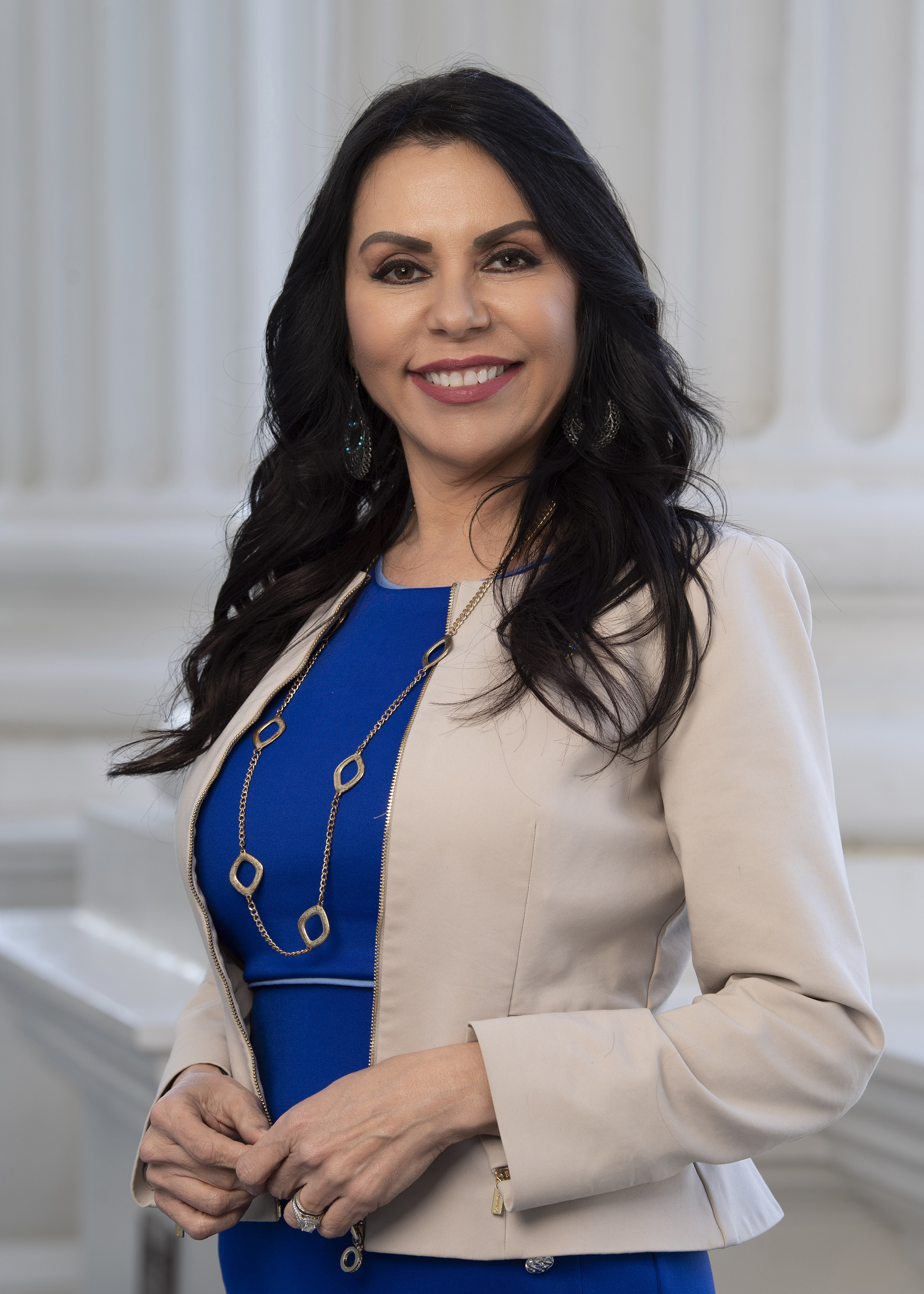
Blanca Rubio
DDemocratic
Co
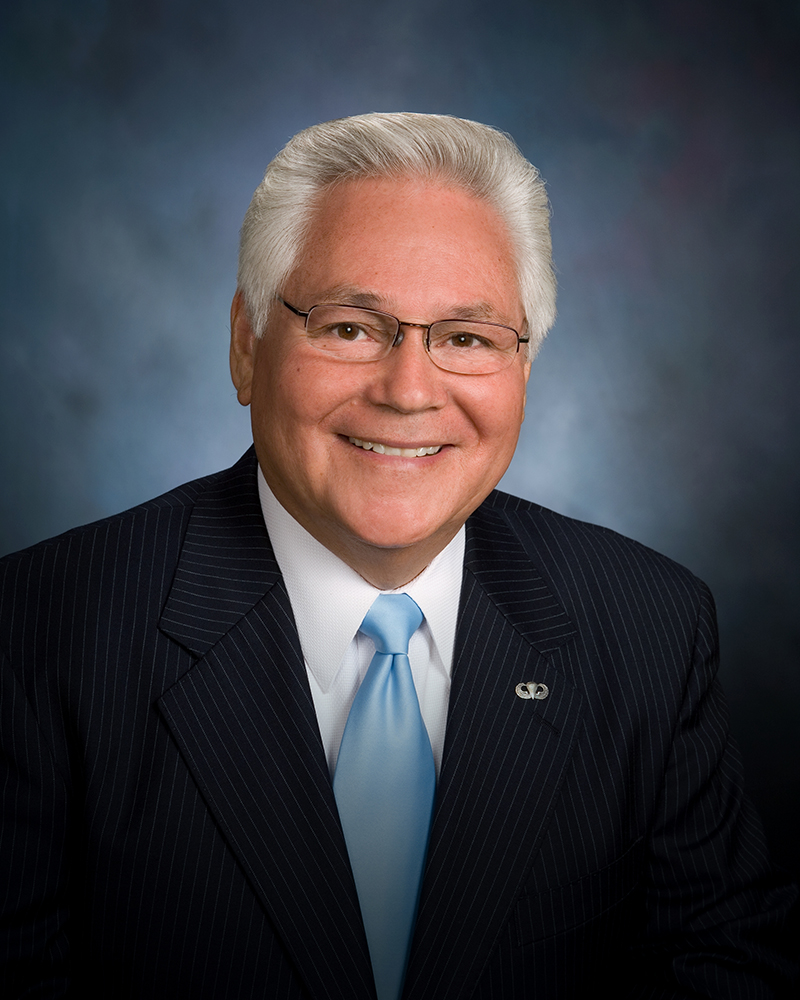
Bob Archuleta
DDemocratic
Co

Dawn Addis
DDemocratic
Co
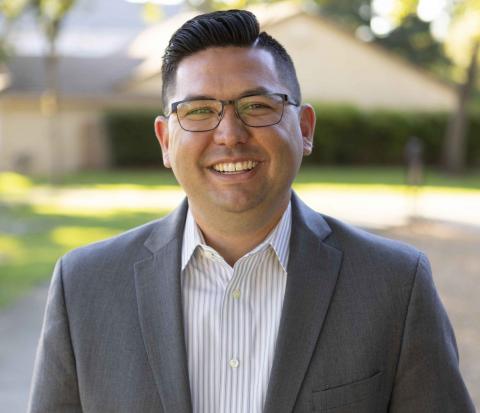
Joshua Hoover
RRepublican
Co
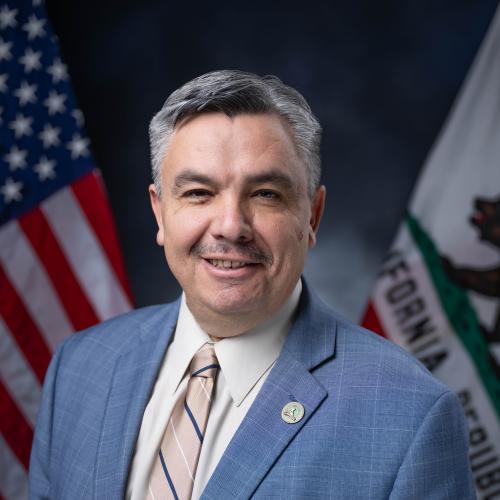
Juan Carrillo
DDemocratic
Co

Lena Gonzalez
DDemocratic
Co

Luz Rivas
DDemocratic
Co
Marc Berman
DDemocratic
Co

Melissa Hurtado
DDemocratic

Ask Maddy
·
AI policy assistant
Ask Maddy about SB 348
Scope: CA
Hi! I can help you understand SB 348. What would you like to know?
Try one of these
i
Maddy answers using official bill text and legislative records. Always verify before sharing.
Sources cited inline