

Construction defect cases.
Summary
(1) Existing law sets forth standards for determining liability in an action seeking the recovery of damages arising out of, or related to, deficiencies in residential construction, design, and related issues, and specifies the characteristics of those deficiencies. This bill would require a deficiency in the specific standards described above to materially affect the habitability or usefulness of the residential dwelling unit and to be a result of a failure to meet the standard of care in order for the builder to be liable, as specified. The bill would define "standard of care" as the level of care standard in an industry for similar work performed in the state. (2) Existing law provides for prelitigation procedures for construction defect claims, pursuant to which a claimant and a builder engage in a nonadversarial procedure to resolve deficiencies in construction prior to an adversarial enforcement action. That procedure includes, among other things, an inspection and repair of the alleged defective construction by the builder. Existing law prohibits a builder from obtaining a release or waiver in exchange for such repair work. Existing law authorizes evidence of a repair effort to be admitted as evidence in the event of an enforcement action, and provides that if the claimant contends that repair work was inadequate that the claimant need not shown that the repair work resulted in further damage. This bill would provide for the participation of a special inspector, as defined, in the inspection and approval of repair work performed pursuant to these procedures, and require the builder to obtain and pay for a building permit to perform such work. The bill would instead authorize a builder to obtain a release or waiver upon completion of repair work. This bill would require a local permitting authority to issue a building permit for these purposes within 30 days of receipt of an application for a permit, thereby creating a state-mandated local program. The bill would provide that a claimant's rejection of an offer to repair is not inadmissible in an enforcement action. The bill would delete the evidentiary provisions described above and instead authorize the introduction of a building permit and reports from a special inspector as evidence in an enforcement action. (3) Existing law provides for various affirmative defenses for a builder, general contractor, subcontractor, material supplier, individual product manufacturer, or design professional who is defending an enforcement action for construction deficiencies described above. This will would add a builder's compliance with a building permit and approval of repairs from the permitting body, and the builder's receipt of approval from a special inspector to these affirmative defenses. The California Constitution requires the state to reimburse local agencies and school districts for certain costs mandated by the state. Statutory provisions establish procedures for making that reimbursement. This bill would provide that, if the Commission on State Mandates determines that the bill contains costs mandated by the state, reimbursement for those costs shall be made pursuant to the statutory provisions noted above.
Bill status
in committee
1 of 4 stages cleared
Introduction
Feb 2024
Committee Review
Floor Vote
Governor
Introduced Feb 16, 2024
Last action Apr 19, 2024
Floor votes
How they voted
No floor votes recorded yet.
Full legislative history
Actions timeline
Total actions
5
Key actions
0
Committee
1
Feb 29, 2024
Committee
Referred to Com. on JUD.
upper
Feb 16, 2024
Introduced
Introduced. Read first time. To Com. on RLS. for assignment. To print.
upper
1 primary · 2 co-sponsors
Sponsors
Role
Legislator
Party
State
District
P

Steve Glazer
DDemocratic
Co
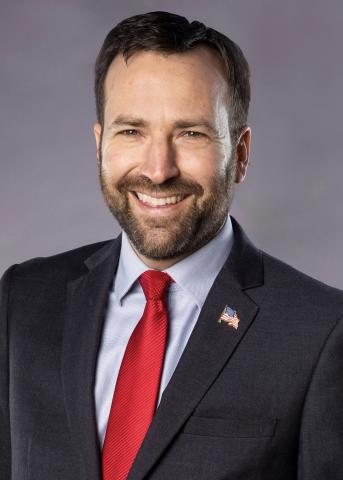
Ben Allen
DDemocratic
Co
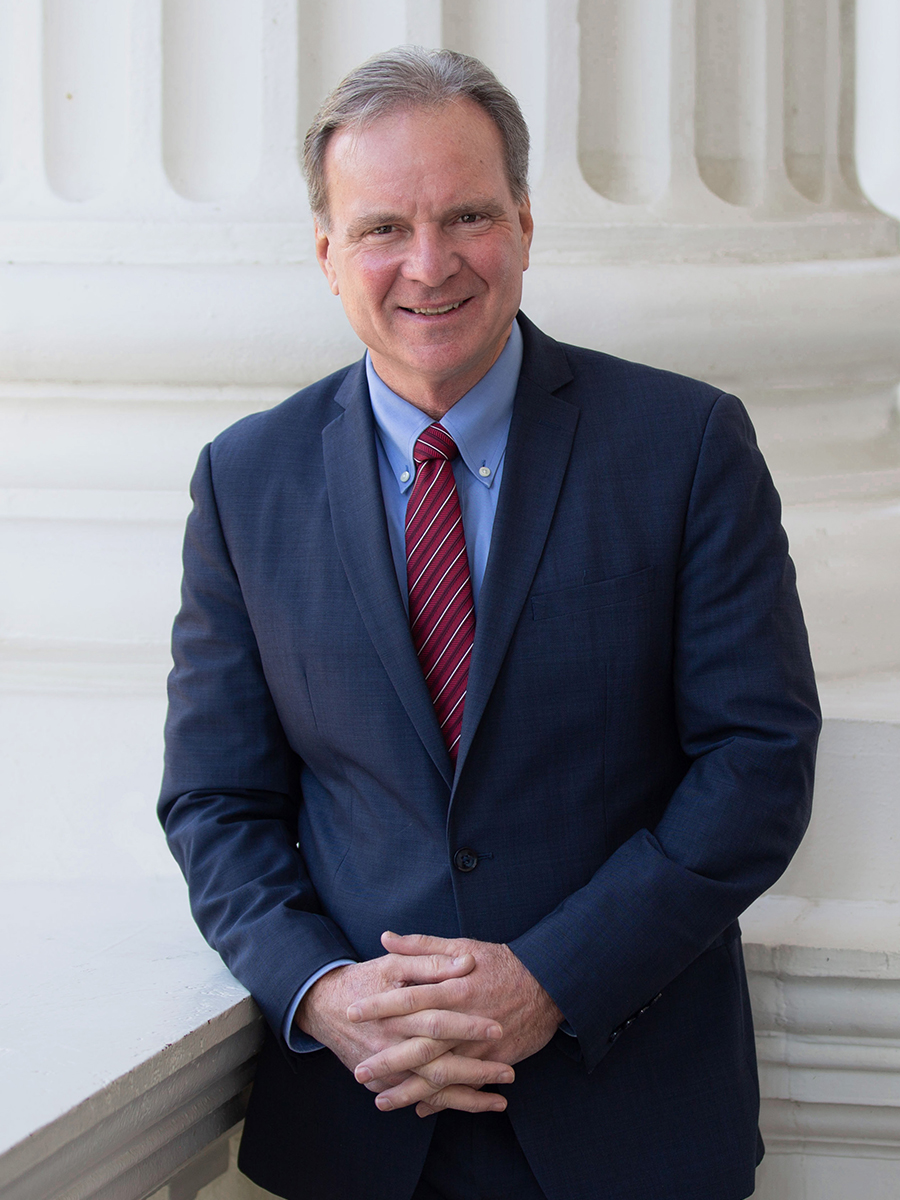
Dave Cortese
DDemocratic
Ask Maddy
·
AI policy assistant
Ask Maddy about SB 1470
Scope: CA
Hi! I can help you understand SB 1470. What would you like to know?
Try one of these
i
Maddy answers using official bill text and legislative records. Always verify before sharing.
Sources cited inline