

Medi-Cal providers: family planning.
Summary
Existing law establishes the Medi-Cal program, which is administered by the State Department of Health Care Services, under which qualified low-income individuals receive health care services. The Medi-Cal program is, in part, governed and funded by federal Medicaid program provisions. Existing law establishes, under the Medi-Cal program, the Family Planning, Access, Care, and Treatment (Family PACT) Program, administered by the Office of Family Planning within the department. Under Family PACT, comprehensive clinical family planning services are provided to a person who has a family income at or below 200% of the federal poverty level and who meets other eligibility criteria to receive those services. Existing law makes the Family PACT Program inoperative if the program is determined to no longer be cost effective, as specified. If the program becomes inoperative, existing law requires all persons who have received, or are eligible to receive, comprehensive clinical family planning services pursuant to Family PACT to receive family planning services under other specified provisions of the Medi-Cal program or under the State-Only Family Planning Program, which is also established within the department. Existing law requires enrolled providers in the Family PACT Program or the State-Only Family Planning Program to attend a specific orientation approved by the department and requires providers who conduct certain services to have prior training in those services. This bill would, for the Family PACT Program, require a site certifier of a primary care clinic or affiliate primary care clinic, as those terms are defined, to be a clinician who oversees the provision of Family PACT services and would authorize certain clinic corporations to enroll multiple, but no more than 10, service addresses under one site certifier. The bill would require any orientation or training that the department requires of a site certifier to comply with specified requirements, including, among others, being offered through a virtual platform and being offered at least once every other month. For purposes of both of the above-described programs, existing law requires the program to disenroll as a program provider any individual who, or any entity that, has a license, certificate, or other approval to provide health care that is revoked or suspended by a federal, California, or other state's licensing, certification, or other approval authority, that is otherwise lost, or that is surrendered while a disciplinary hearing is pending, as specified. This bill would authorize the department to elect to not disenroll an individual or entity as a program provider if the revocation, suspension, loss, or disciplinary hearing in another state is based solely on conduct that is not deemed to be unprofessional conduct under California law. Under existing law, a provider is subject to disenrollment if the provider submits claims for payment for the services, goods, supplies, or merchandise provided to a program beneficiary, by an individual or entity that has been previously suspended, excluded, or otherwise made ineligible to receive reimbursement from one of the above-described programs or from the Medi-Cal program and the individual has previously been on one of certain lists, as specified. Under this bill, a provider would not be subject to disenrollment under that provision if the sole basis for an individual's listing is conduct that is not deemed to be unprofessional conduct under California law. The bill would condition implementation of the disenrollment exceptions described in the 2 provisions above on receipt of any necessary federal approvals and the availability of federal financial participation.
Bill status
signed
all 5 stages cleared
Introduction
Feb 2024
Committee Review
Aug 2024
Senate Passage
May 2024
Assembly Passage
Aug 2024
Signed into Law
Sep 2024
Introduced Feb 13, 2024
Signed Sep 28, 2024
Floor votes · Senate May 21, 2024 · Assembly Aug 26, 2024
How they voted
31–8
Passed · 1 other
Total votes 40
May 21, 2024
D
Democratic31
96% Yea
R
Republican9
88% Nay
Vote distribution
All Yea
All Nay
Mixed
No data
Full legislative history
Actions timeline
Total actions
28
Key actions
11
Committee
4
Amendments
7
Sep 28, 2024
Signed into law
Approved by the Governor.
legislature
Aug 27, 2024
Upper · Passed
Assembly amendments concurred in. (Ayes 31. Noes 9. Page 5507.) Ordered to engrossing and enrolling.
upper
Aug 26, 2024
Introduced
In Senate. Concurrence in Assembly amendments pending.
upper
Aug 26, 2024
Lower · Passed
Read third time. Passed. (Ayes 62. Noes 10. Page 6529.) Ordered to the Senate.
lower
Aug 22, 2024
Lower · Passed
Read third time and amended.
lower
Aug 15, 2024
Lower · Passed
From committee: Do pass. (Ayes 11. Noes 3.) (August 15).
lower
Jun 5, 2024
Lower · Passed
From committee: Do pass and re-refer to Com. on APPR. (Ayes 12. Noes 2.) (June 4). Re-referred to Com. on APPR.
lower
May 28, 2024
Committee
Referred to Com. on HEALTH.
lower
May 21, 2024
Upper · Passed
Read third time. Passed. (Ayes 31. Noes 8. Page 4099.) Ordered to the Assembly.
upper
May 16, 2024
Upper · Passed
Read second time and amended. Ordered to second reading.
upper
May 16, 2024
Upper · Passed
From committee: Do pass as amended. (Ayes 5. Noes 2. Page 3973.) (May 16).
upper
Apr 8, 2024
Upper · Passed
Read second time and amended. Re-referred to Com. on APPR.
upper
Apr 4, 2024
Upper · Passed
From committee: Do pass as amended and re-refer to Com. on APPR. (Ayes 8. Noes 0. Page 3468.) (April 3).
upper
Feb 21, 2024
Committee
Referred to Com. on HEALTH.
upper
Feb 13, 2024
Introduced
Introduced. Read first time. To Com. on RLS. for assignment. To print.
upper
1 primary · 3 co-sponsors
Sponsors
Role
Legislator
Party
State
District
P

Lena Gonzalez
DDemocratic
Co
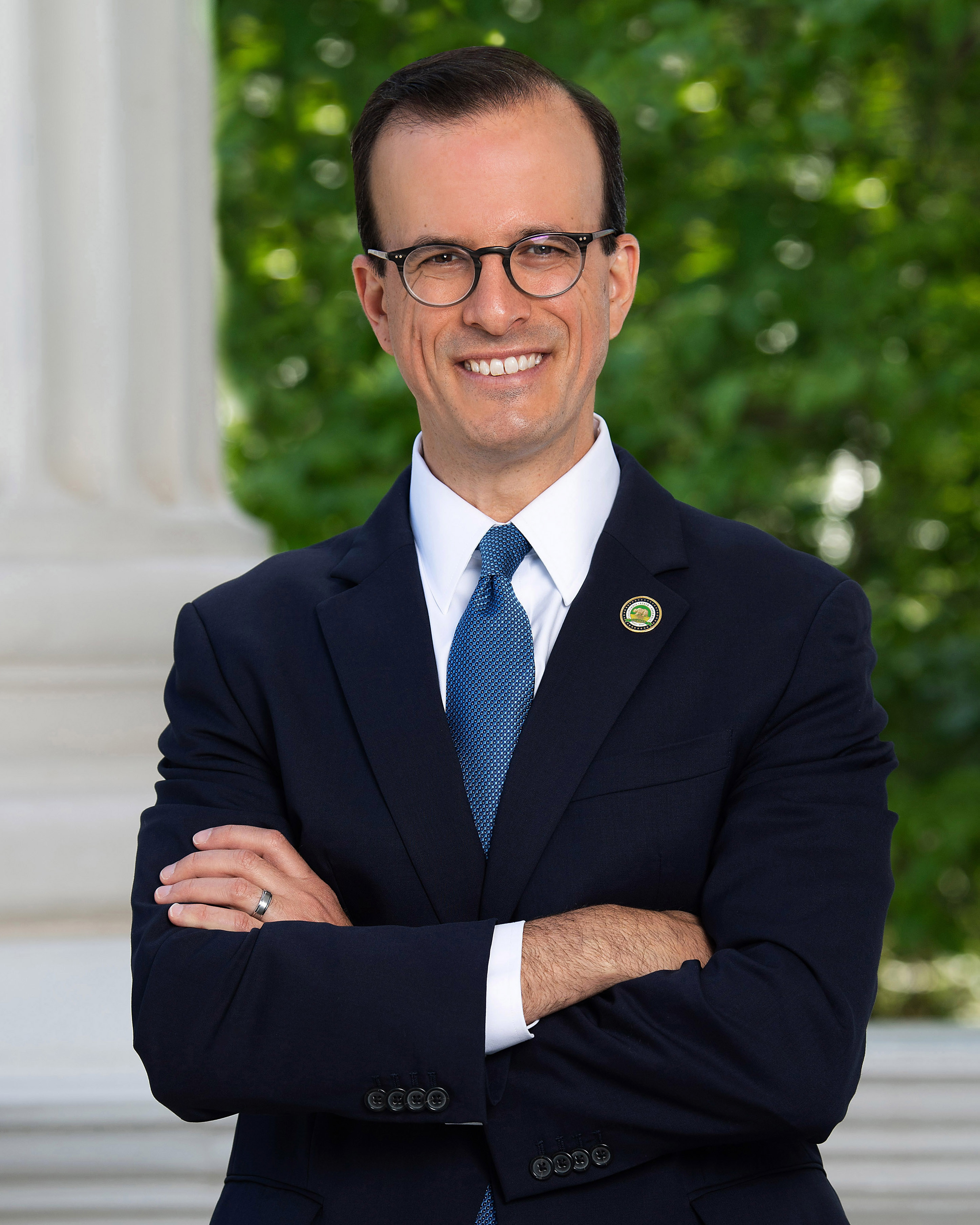
Marc Berman
DDemocratic
Co

Matt Haney
DDemocratic
Co

Monique Limón
DDemocratic
Ask Maddy
·
AI policy assistant
Ask Maddy about SB 1131
Scope: CA
Hi! I can help you understand SB 1131. What would you like to know?
Try one of these
i
Maddy answers using official bill text and legislative records. Always verify before sharing.
Sources cited inline