

Community colleges: exemption from nonresident tuition fee: residence near the California-Mexico border.
Summary
(1) Existing law establishes the California Community Colleges, under the administration of the Board of Governors of the California Community Colleges, as one of the segments of public postsecondary education in this state. Existing law establishes community college districts throughout the state and authorizes them to operate campuses and provide instruction to students. Existing law authorizes community college districts to admit nonresident students, and requires that nonresident students be charged a nonresident tuition fee unless an exemption applies. Existing law includes among these exemptions any nonresident who is both a citizen and resident of a foreign country if the nonresident has demonstrated a financial need, as specified. Existing law authorizes the attendance of certain exempted, nonresident students to be reported as resident full-time equivalent students (FTES) for state apportionment purposes. This bill would additionally exempt from the nonresident tuition fee a nonresident, low-income student who: (1) is a resident of Mexico, (2) registers for lower division courses at Cuyamaca College, Grossmont College, Imperial Valley College, MiraCosta College, Palomar College, San Diego City College, San Diego Mesa College, San Diego Miramar College, or Southwestern College, and (3) has residence within 45 miles of the California-Mexico border, as provided. The bill would, in any academic year, prohibit more than 150 FTES at each of these community colleges from being exempted from payment of the nonresident tuition fee. The bill would require the governing boards of the community colleges that choose to use this exemption to adopt one uniform policy to determine a student's residence classification, establish procedures for an appeal and review of the residence classification, and determine whether a student is low income. The bill also would require the governing boards of the community colleges that choose to use this exemption, as a condition of its students receiving the exemption described above, to collaborate with each other to ensure the adoption of the uniform policy. The bill would additionally authorize the attendance of nonresident students who receive this exemption to be reported as resident FTES for state apportionment purposes, as specified. The bill would provide that a nonresident student exempted under the above-mentioned exemption is not exempted pursuant to the existing provision involving any nonresident who is both a citizen and resident of a foreign country. The bill would require the governing boards of the community colleges that choose to use this exemption, on or before January 1, 2028, to jointly submit a report to the Legislature that includes, but is not limited to, the demographics, attendance rate, and class completion rate of nonresident students who receive the exemption described above. The bill's provisions would become inoperative on July 1, 2028, and would be repealed on January 1, 2029, as specified. The bill would also make related findings and declarations. (2) This bill would make legislative findings and declarations as to the necessity of a special statute for Cuyamaca College, Grossmont College, Imperial Valley College, MiraCosta College, Palomar College, San Diego City College, San Diego Mesa College, San Diego Miramar College, and Southwestern College. (3) This bill would not become operative unless the Board of Governors of the California Community Colleges enters into an attendance agreement that provides reciprocal rights to California residents attending a university in the State of Baja California that reasonably conforms to the benefits conferred upon residents of Mexico pursuant to certain provisions of the bill, as provided.
Bill status
signed
all 5 stages cleared
Introduction
Jan 2023
Committee Review
Aug 2023
Assembly Passage
May 2023
Senate Passage
Sep 2023
Signed into Law
Oct 2023
Introduced Jan 5, 2023
Signed Oct 13, 2023
Floor votes · Senate Sep 7, 2023 · Assembly May 31, 2023
How they voted
33–6
Passed · 1 other
Total votes 40
Sep 7, 2023
D
Democratic31
100% Yea
R
Republican9
66% Nay
Vote distribution
All Yea
All Nay
Mixed
No data
Full legislative history
Actions timeline
Total actions
25
Key actions
9
Committee
8
Amendments
7
Oct 13, 2023
Signed into law
Approved by the Governor.
legislature
Sep 11, 2023
Lower · Passed
Senate amendments concurred in. To Engrossing and Enrolling. (Ayes 64. Noes 12. Page 3187.).
lower
Sep 7, 2023
Introduced
In Assembly. Concurrence in Senate amendments pending. May be considered on or after September 9 pursuant to Assembly Rule 77.
lower
Sep 7, 2023
Upper · Passed
Read third time. Passed. Ordered to the Assembly. (Ayes 33. Noes 6. Page 2485.).
upper
Sep 1, 2023
Upper · Passed
Read second time and amended. Ordered returned to second reading.
upper
Sep 1, 2023
Introduced
From committee: Amend, and do pass as amended. (Ayes 5. Noes 2.) (September 1).
upper
Aug 14, 2023
Committee
In committee: Referred to APPR suspense file.
upper
Jul 5, 2023
Upper · Passed
Read second time and amended. Re-referred to Com. on APPR.
upper
Jul 3, 2023
Introduced
From committee: Amend, and do pass as amended and re-refer to Com. on APPR. (Ayes 6. Noes 0.) (June 28).
upper
Jun 14, 2023
Committee
Referred to Com. on ED.
upper
May 31, 2023
Lower · Passed
Read third time. Passed. Ordered to the Senate. (Ayes 65. Noes 8. Page 1964.)
lower
May 18, 2023
Lower · Passed
From committee: Do pass. (Ayes 11. Noes 3.) (May 18).
lower
Apr 19, 2023
Committee
In committee: Set, first hearing. Referred to APPR. suspense file.
lower
Mar 22, 2023
Lower · Passed
From committee: Do pass and re-refer to Com. on APPR. (Ayes 8. Noes 2.) (March 21). Re-referred to Com. on APPR.
lower
Mar 14, 2023
Committee
Re-referred to Com. on HIGHER ED.
lower
Mar 13, 2023
Introduced
From committee chair, with author's amendments: Amend, and re-refer to Com. on HIGHER ED. Read second time and amended.
lower
Jan 26, 2023
Committee
Referred to Com. on HIGHER ED.
lower
Jan 6, 2023
Lower · Passed
From printer. May be heard in committee February 5.
lower
1 primary · 4 co-sponsors
Sponsors
Role
Legislator
Party
State
District
P
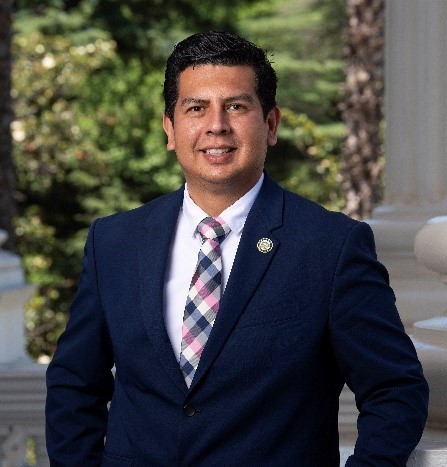
David Alvarez
DDemocratic
Co

Dawn Addis
DDemocratic
Co
Eduardo Garcia
DDemocratic
Co
Kevin McCarty
DDemocratic
Co
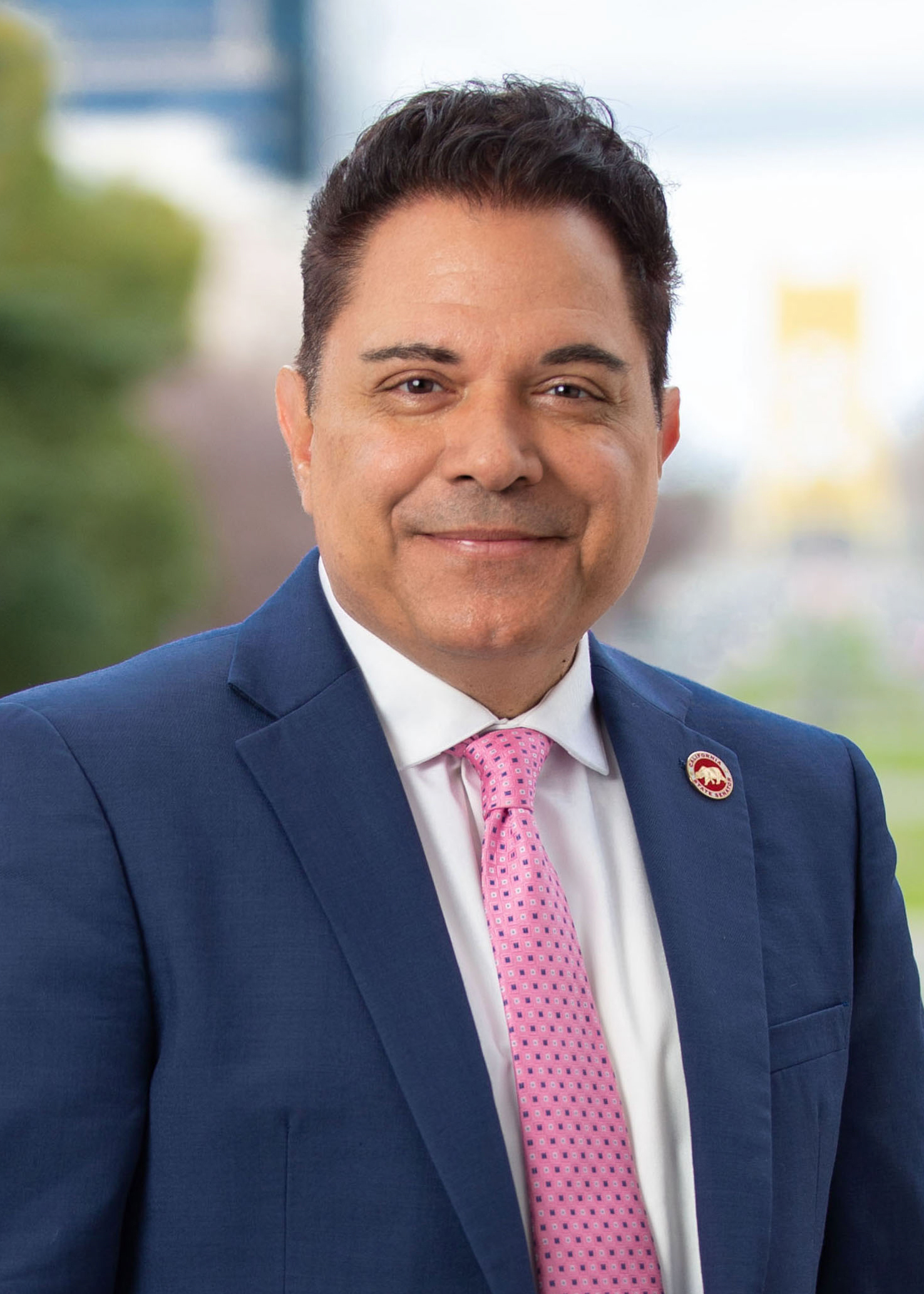
Steve Padilla
DDemocratic
Ask Maddy
·
AI policy assistant
Ask Maddy about AB 91
Scope: CA
Hi! I can help you understand AB 91. What would you like to know?
Try one of these
i
Maddy answers using official bill text and legislative records. Always verify before sharing.
Sources cited inline