

Pupil instruction: newcomer pupils: curriculum frameworks: high school coursework and graduation requirements: exemptions and alternatives.
Summary
(1) Existing law, subject to an appropriation of funds for this purpose in the annual Budget Act, requires the State Department of Social Services, in collaboration with the State Department of Education, to administer the California Newcomer Education and Well-Being Program (CalNEW) to provide services for newcomer pupils, English learners, and immigrant families by allocating funding to school districts and county offices of education, as specified. Existing law, for the purposes of CalNEW, defines "newcomer pupils" as individuals 3 through 21 years of age who were not born in any state and have not been attending one or more schools in any one or more states for more than 3 full academic years. This bill would require the State Department of Education to (A) curate and maintain on its internet website information regarding requirements, best practices, and available state and federally funded programs for newcomer pupils and (B) publicly report on an annual basis on its internet website the enrollment of newcomer pupils, as provided. (2) Existing law requires the Instructional Quality Commission to recommend curriculum frameworks to the State Board of Education. This bill would require the commission to consider including content designed to provide teachers with resources to meet the unique academic and English language development needs of newcomer pupils at all grade levels at the next regularly scheduled revision of the curriculum framework in English Language Arts and English Language Development. The bill would also require the commission to ensure that the instructional materials for pupils in kindergarten or any of grades 1 to 8, inclusive, that it recommends to the state board for adoption include resources to help teachers meet the needs of newcomer pupils. (3) Existing law defines "a pupil participating in a newcomer program" as a pupil who is participating in a program designed to meet the academic and transitional needs of newly arrived immigrant pupils that has as a primary objective the development of English language proficiency. Existing law requires local educational agencies to exempt a pupil participating in a newcomer program and who is in their 3rd or 4th year of high school from all coursework and other requirements adopted by the governing body of the local educational agency that are in addition to the statewide coursework requirements necessary to receive a diploma of graduation from high school, unless the local educational agency makes a finding that the pupil is reasonably able to complete the local educational agency's graduation requirements in time to graduate from high school by the end of the pupil's 4th year of high school. Existing law requires local educational agencies to comply with other procedures in relation to pupils participating in newcomer programs, including, among other things, consultation and notice provisions. Existing law requires local educational agencies to issue, and new local educational agencies to accept, full or partial credit for all full or partial coursework satisfactorily completed by a pupil participating in a newcomer program while attending a public school, a juvenile court school, a charter school, a school in a country other than the United States, or a nonpublic, nonsectarian school, as provided. This bill would require that local educational agencies comply with the above-described coursework exemptions, pupil consultation and notice requirements, acceptance of coursework completed at other schools, and other requirements for newcomer pupils, as defined, instead of for pupils participating in a newcomer program. By imposing new duties on local educational agencies, the bill would impose a state-mandated local program. (4) Existing law prohibits a middle or high school pupil who is classified as an English learner from being denied participation in the standard instructional program of a school, as provided. Existing law authorizes certain pupils to be denied access to enrollment in courses that are part of the standard instructional program, including middle school or high schools pupils classified as English learners and who have recently arrived in the United States or who are participating in a program designed to meet the academic and transitional needs of newly arrived immigrant pupils that has as a primary objective the development of English language proficiency, as provided. This bill instead would authorize a middle or high school pupil who is classified as an English learner and who is a newcomer pupil, as defined, or is participating in a program designed to meet the transitional needs of newcomer pupils that has as a primary objective the development of English language proficiency to be denied access to enrollment in courses that are part of the standard instructional program, as provided. By imposing new requirements on local educational agencies, the bill would impose a state-mandated local program. (5) The California Constitution requires the state to reimburse local agencies and school districts for certain costs mandated by the state. Statutory provisions establish procedures for making that reimbursement. This bill would provide that, if the Commission on State Mandates determines that the bill contains costs mandated by the state, reimbursement for those costs shall be made pursuant to the statutory provisions noted above.
Bill status
signed
all 5 stages cleared
Introduction
Feb 2023
Committee Review
Aug 2023
Assembly Passage
May 2023
Senate Passage
Sep 2023
Signed into Law
Oct 2023
Introduced Feb 13, 2023
Signed Oct 7, 2023
Floor votes · Senate Sep 12, 2023 · Assembly May 30, 2023
How they voted
38–0
Passed · 2 other
Total votes 40
Sep 12, 2023
D
Democratic31
96% Yea
R
Republican9
88% Yea
Vote distribution
All Yea
All Nay
Mixed
No data
Full legislative history
Actions timeline
Total actions
26
Key actions
10
Committee
7
Amendments
9
Oct 7, 2023
Signed into law
Approved by the Governor.
legislature
Sep 13, 2023
Lower · Passed
Senate amendments concurred in. To Engrossing and Enrolling. (Ayes 76. Noes 0. Page 3452.).
lower
Sep 12, 2023
Introduced
In Assembly. Concurrence in Senate amendments pending.
lower
Sep 12, 2023
Upper · Passed
Read third time. Passed. Ordered to the Assembly. (Ayes 38. Noes 0. Page 2653.).
upper
Sep 8, 2023
Upper · Passed
Read third time and amended. Ordered to second reading.
upper
Sep 1, 2023
Upper · Passed
Read second time and amended. Ordered returned to second reading.
upper
Sep 1, 2023
Introduced
From committee: Amend, and do pass as amended. (Ayes 7. Noes 0.) (September 1).
upper
Aug 14, 2023
Committee
In committee: Referred to APPR suspense file.
upper
Jul 13, 2023
Upper · Passed
From committee: Do pass and re-refer to Com. on APPR. (Ayes 7. Noes 0.) (July 12). Re-referred to Com. on APPR.
upper
Jun 7, 2023
Committee
Referred to Com. on ED.
upper
May 30, 2023
Lower · Passed
Read third time. Passed. Ordered to the Senate. (Ayes 80. Noes 0. Page 1911.)
lower
May 18, 2023
Lower · Passed
Read second time and amended. Ordered returned to second reading.
lower
May 18, 2023
Introduced
From committee: Amend, and do pass as amended. (Ayes 11. Noes 0.) (May 18).
lower
Apr 26, 2023
Committee
In committee: Set, first hearing. Referred to APPR. suspense file.
lower
Apr 3, 2023
Committee
Re-referred to Com. on APPR.
lower
Mar 30, 2023
Lower · Passed
Read second time and amended.
lower
Mar 30, 2023
Introduced
From committee: Amend, and do pass as amended and re-refer to Com. on APPR. (Ayes 7. Noes 0.) (March 29).
lower
Feb 23, 2023
Committee
Referred to Com. on ED.
lower
Feb 14, 2023
Lower · Passed
From printer. May be heard in committee March 16.
lower
1 primary · 3 co-sponsors
Sponsors
Role
Legislator
Party
State
District
P
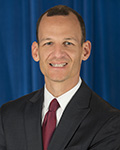
Kevin McCarty
DDemocratic
Co
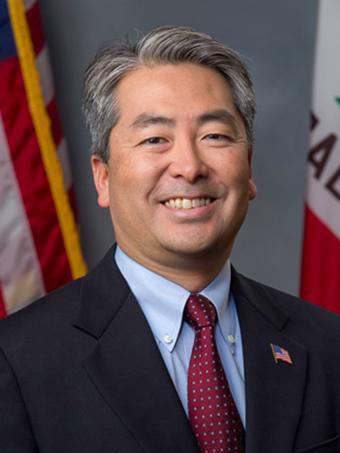
Al Muratsuchi
DDemocratic
Co
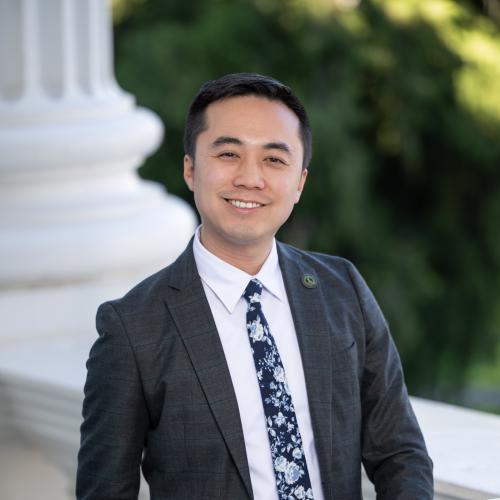
Alex Lee
DDemocratic
Co
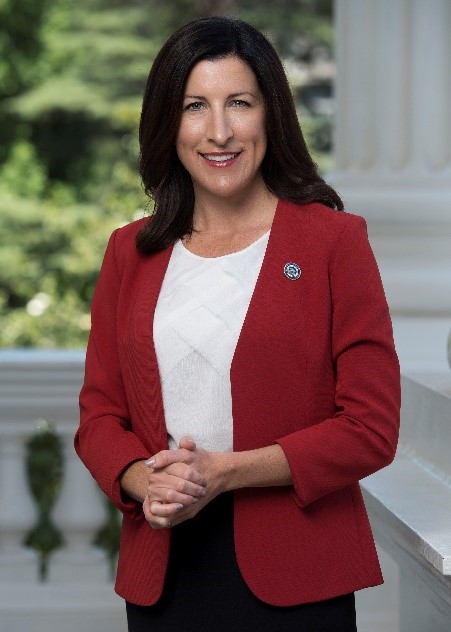
Cottie Petrie-Norris
DDemocratic
Ask Maddy
·
AI policy assistant
Ask Maddy about AB 714
Scope: CA
Hi! I can help you understand AB 714. What would you like to know?
Try one of these
i
Maddy answers using official bill text and legislative records. Always verify before sharing.
Sources cited inline