

Shareholders' meetings: remote communication.
Summary
Existing law authorizes and regulates the formation and operation of a nonprofit public benefit corporation, nonprofit mutual benefit corporation, nonprofit religious corporation, or cooperative corporation. Existing law authorizes meetings of members to be held at any place as stated or fixed in the bylaws, as specified, and provides that, subject to certain conditions, members not physically present may participate in a meeting, be deemed present, and vote by electronic transmission by and to the corporation, electronic video screen communication, conference telephone, or other means of remote communication. Existing law prohibits conducting a meeting of members solely by electronic transmission, electronic video screen communication, conference telephone, or other remote communications unless all of the or members consent, the board determines it is necessary or appropriate because of an emergency, as defined, or if the meeting is conducted on or before June 30, 2022. Existing law, the General Corporation Law, additionally authorizes corporations not governed by other specified state laws to conduct a meeting of shareholders solely by electronic transmission by and to the corporation, electronic video screen communication, conference telephone, or other means of remote communication if the meeting is conducted on or before December 31, 2025, as specified, and includes a live audiovisual feed for the duration of the meeting. Existing law provides that a de minimis disruption of an audio, visual, or audiovisual feed does not require a corporation to end a shareholder meeting under, or render the corporation out of compliance with, the above-described provisions. This bill would authorize corporations conducting a meeting on or before December 31, 2025, as described above, to offer, in addition to the live audiovisual feed, an audio-only means of participation. The bill would grant the shareholder or proxyholder the right to choose whether to participate via audiovisual or audio-only means and would prohibit the corporation from imposing any barriers on either mode of participation. The bill would provide that a de minimis disruption of an audio or audiovisual feed does not require a corporation to end a shareholder meeting under, or render the corporation out of compliance with, those provisions. The bill would extend those same provisions to a nonprofit public benefit corporation, nonprofit mutual benefit corporation, nonprofit religious corporation, or cooperative corporation holding a meeting of members. Existing law requires a corporation to implement reasonable measures when it conducts a meeting of shareholders solely by specified means of remote communication. The General Corporation Law requires a corporation not governed by other specified state laws to verify that a person who has voted remotely is a shareholder or proxyholder. Existing law requires a nonprofit public benefit corporation, nonprofit mutual benefit corporation, nonprofit religious corporation, or cooperative corporation to verify that each person participating remotely is a member or proxyholder. This bill would instead require a nonprofit public benefit corporation, nonprofit mutual benefit corporation, nonprofit religious corporation, or cooperative corporation to verify that person who has voted remotely is a member or proxyholder, thereby aligning those corporations with the parallel requirement set forth in the General Corporation Law. Existing law requires a cooperative corporation or a corporation not governed by other specified state laws to provide members or shareholders, and proxyholders as applicable, a reasonable opportunity to participate in a meeting conducted by remote communication, including an opportunity to read or hear the proceedings of the meeting concurrently with those proceedings. Existing law requires a nonprofit public benefit corporation, nonprofit mutual benefit corporation, or nonprofit religious corporation to provide members and proxyholders a reasonable opportunity to participate in a meeting conducted by remote communication, including an opportunity to read or hear the proceedings of the meeting substantially concurrently with those proceedings. This bill would instead require a nonprofit public benefit corporation, nonprofit mutual benefit corporation, or nonprofit religious corporation to provide members and proxyholders an opportunity to read or hear the proceedings of the meeting concurrently with those proceedings, thereby aligning those corporations with the parallel requirements set forth in the Cooperative Corporation Law and in the General Corporation Law.
Bill status
signed
all 5 stages cleared
Introduction
Jan 2023
Committee Review
Jul 2023
Assembly Passage
Apr 2023
Senate Passage
Jul 2023
Signed into Law
Jul 2023
Introduced Jan 12, 2023
Signed Jul 27, 2023
Floor votes · Senate Jul 13, 2023 · Assembly Apr 20, 2023
How they voted
37–0
Passed · 3 other
Total votes 40
Jul 13, 2023
D
Democratic31
93% Yea
R
Republican9
88% Yea
Vote distribution
All Yea
All Nay
Mixed
No data
Full legislative history
Actions timeline
Total actions
16
Key actions
8
Committee
7
Jul 27, 2023
Signed into law
Approved by the Governor.
legislature
Jul 13, 2023
Lower · Passed
In Assembly. Ordered to Engrossing and Enrolling.
lower
Jul 13, 2023
Upper · Passed
Read third time. Passed. Ordered to the Assembly. (Ayes 37. Noes 0. Page 2038.).
upper
Jul 6, 2023
Upper · Passed
From committee: Do pass. To Consent Calendar. (Ayes 11. Noes 0.) (July 6).
upper
Jun 21, 2023
Upper · Passed
From committee: Do pass and re-refer to Com. on JUD. with recommendation: To Consent Calendar. (Ayes 7. Noes 0.) (June 21). Re-referred to Com. on JUD.
upper
May 3, 2023
Committee
Referred to Coms. on B. & F.I. and JUD.
upper
Apr 20, 2023
Lower · Passed
Read third time. Passed. Ordered to the Senate. (Ayes 76. Noes 0. Page 1272.)
lower
Mar 21, 2023
Lower · Passed
From committee: Do pass. (Ayes 12. Noes 0.) (March 20).
lower
Jan 26, 2023
Committee
Referred to Com. on B. & F.
lower
Jan 13, 2023
Lower · Passed
From printer. May be heard in committee February 12.
lower
1 primary · 0 co-sponsors
Sponsors
Role
Legislator
Party
State
District
P
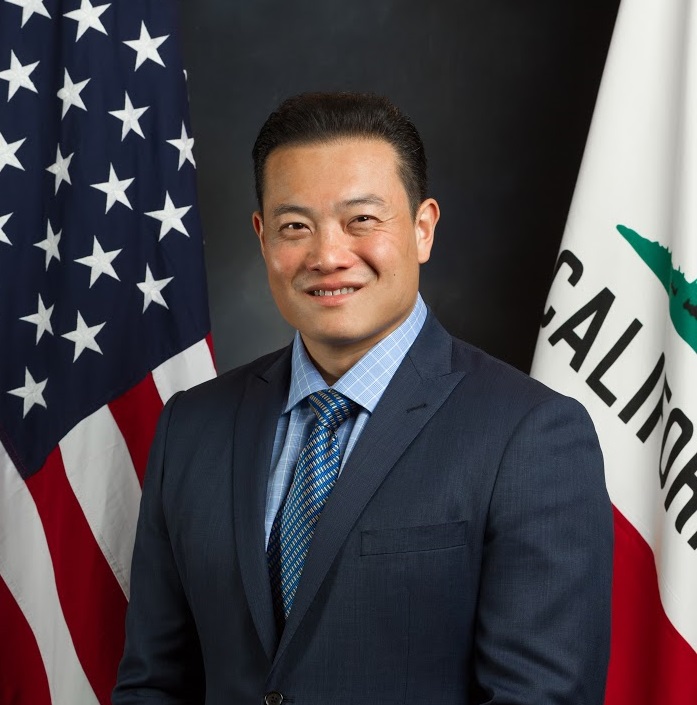
Phillip Chen
RRepublican
Ask Maddy
·
AI policy assistant
Ask Maddy about AB 231
Scope: CA
Hi! I can help you understand AB 231. What would you like to know?
Try one of these
i
Maddy answers using official bill text and legislative records. Always verify before sharing.
Sources cited inline