

Collective bargaining: Legislature.
Summary
Existing law, the Ralph C. Dills Act (Dills Act) , governs collective bargaining between the state and recognized state public employee organizations. Existing law excludes certain employees from coverage under the Dills Act, including, among others, managerial employees, supervisory employees, and confidential employees, as defined. Existing law creates the Public Employment Relations Board and authorizes it, among other things, to determine appropriate state employee bargaining units, as specified. This bill would enact the Legislature Employer-Employee Relations Act, to provide employees of the Legislature, except certain specified categories of excluded employees, the right to form, join, and participate in the activities of employee organizations of their own choosing for the purpose of representation on all matters of employer-employee relations. The bill would prescribe rights, duties, and prohibitions in this context that parallel those in the Dills Act. For the purposes of bargaining or meeting and conferring in good faith, the bill would define "employer" to mean the Assembly Committee on Rules or the Senate Committee on Rules. The bill would require the employer to meet and confer with representatives of recognized employee organizations regarding matters within the scope of representation. The bill would exclude certain matters from the scope of representation, as specified. The bill would grant exclusive jurisdiction to the Public Employment Relations Board to make an initial determination as to whether charges of unfair practices are justified, and, if so, the necessary remedy, as specified. However, the bill would prohibit the board from issuing a decision or order that intrudes upon or interferes with the Legislature's core function of efficient and effective lawmaking or the essential operation of the Legislature. The bill would require the board to determine appropriate bargaining units, and would prohibit the board from including employees in a bargaining unit that includes employees other than those of the employer. The bill would prohibit the board from including within a bargaining unit employees from both the Assembly and Senate. This bill would make it a misdemeanor for any person to willfully resist, prevent, impede, or interfere with any member of the board, or any of its agents, in the performance of duties pursuant to its provisions. By expanding the definition of a crime, this bill would impose a state-mandated local program. The bill would provide that the provisions of the Legislature Employer-Employee Relations Act are severable. The bill would become operative on July 1, 2026. The California Constitution requires the state to reimburse local agencies and school districts for certain costs mandated by the state. Statutory provisions establish procedures for making that reimbursement. This bill would provide that no reimbursement is required by this act for a specified reason. This bill would additionally exempt from public inspection records related to activities governed by the Legislature Employer-Employee Relations Act that reveal the employer's deliberative processes, impressions, evaluations, opinions, recommendations, meeting minutes, research, work product, theories, or strategy, or that provide instruction, advice, or training to employees who do not have full collective bargaining and representation rights under the Legislature Employer-Employee Relations Act. Existing constitutional provisions require that a statute that limits the right of access to the meetings of public bodies or the writings of public officials and agencies be adopted with findings demonstrating the interest protected by the limitation and the need for protecting that interest. This bill would make legislative findings to that effect.
Bill status
signed
all 5 stages cleared
Introduction
Dec 2022
Committee Review
Sep 2023
Assembly Passage
May 2023
Senate Passage
Sep 2023
Signed into Law
Oct 2023
Introduced Dec 5, 2022
Signed Oct 7, 2023
Floor votes · Senate Sep 12, 2023 · Assembly May 25, 2023
How they voted
30–3
Passed · 7 other
Total votes 40
Sep 12, 2023
D
Democratic31
93% Yea
R
Republican9
33% Nay
Vote distribution
All Yea
All Nay
Mixed
No data
Full legislative history
Actions timeline
Total actions
30
Key actions
13
Committee
10
Amendments
10
Oct 7, 2023
Signed into law
Approved by the Governor.
legislature
Sep 13, 2023
Lower · Passed
Senate amendments concurred in. To Engrossing and Enrolling. (Ayes 71. Noes 5. Page 3428.).
lower
Sep 12, 2023
Introduced
In Assembly. Concurrence in Senate amendments pending.
lower
Sep 12, 2023
Upper · Passed
Read third time. Passed. Ordered to the Assembly. (Ayes 30. Noes 3. Page 2650.).
upper
Sep 8, 2023
Upper · Passed
Read third time and amended. Ordered to second reading.
upper
Sep 1, 2023
Upper · Passed
From committee: Do pass. (Ayes 5. Noes 2.) (September 1).
upper
Aug 28, 2023
Committee
In committee: Referred to APPR suspense file.
upper
Aug 2, 2023
Upper · Passed
In committee: Hearing postponed by committee.
upper
Jul 13, 2023
Upper · Passed
Read second time and amended. Re-referred to Com. on APPR.
upper
Jul 13, 2023
Introduced
From committee: Amend, and do pass as amended and re-refer to Com. on APPR. (Ayes 9. Noes 1.) (July 11).
upper
Jul 3, 2023
Introduced
From committee chair, with author's amendments: Amend, and re-refer to committee. Read second time, amended, and re-referred to Com. on JUD.
upper
Jun 28, 2023
Upper · Passed
From committee: Do pass and re-refer to Com. on JUD. (Ayes 4. Noes 0.) (June 28). Re-referred to Com. on JUD.
upper
Jun 14, 2023
Committee
Referred to Coms. on L., P.E. & R. and JUD.
upper
May 25, 2023
Lower · Passed
Read third time. Passed. Ordered to the Senate. (Ayes 68. Noes 5. Page 1786.)
lower
May 18, 2023
Lower · Passed
Read second time and amended. Ordered returned to second reading.
lower
May 18, 2023
Introduced
From committee: Amend, and do pass as amended. (Ayes 12. Noes 3.) (May 18).
lower
May 10, 2023
Committee
In committee: Set, first hearing. Referred to APPR. suspense file.
lower
Apr 26, 2023
Lower · Passed
From committee: Do pass and re-refer to Com. on APPR. (Ayes 6. Noes 1.) (April 26). Re-referred to Com. on APPR.
lower
Apr 20, 2023
Lower · Passed
Measure version as amended on April 17 corrected.
lower
Apr 18, 2023
Committee
Re-referred to Com. on P.E. & R.
lower
Apr 17, 2023
Introduced
From committee chair, with author's amendments: Amend, and re-refer to Com. on P.E. & R. Read second time and amended.
lower
Jan 26, 2023
Committee
Referred to Com. on P.E. & R.
lower
Dec 6, 2022
Lower · Passed
From printer. May be heard in committee January 5.
lower
1 primary · 42 co-sponsors
Sponsors
Role
Legislator
Party
State
District
P
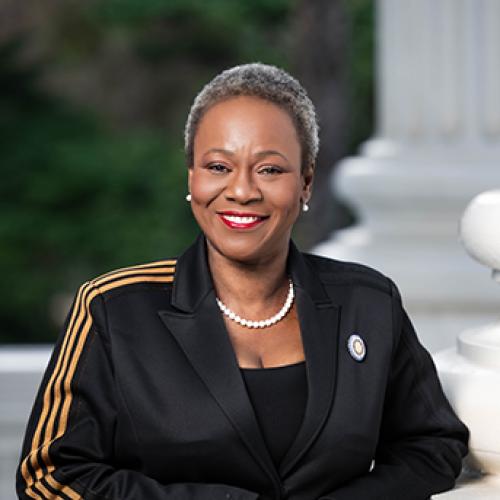
Tina McKinnor
DDemocratic
Co

Alex Lee
DDemocratic
Co
Anthony Rendon
DDemocratic
Co
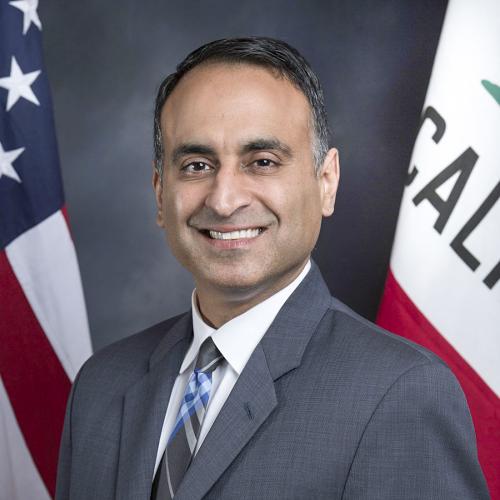
Ash Kalra
DDemocratic
Co
BM
Brian Maienschein
DDemocratic
Co

Buffy Wicks
DDemocratic
Co

Catherine Blakespear
DDemocratic
Co
Chris Holden
DDemocratic
Co

Chris Ward
DDemocratic
Co

Damon Connolly
DDemocratic
Co
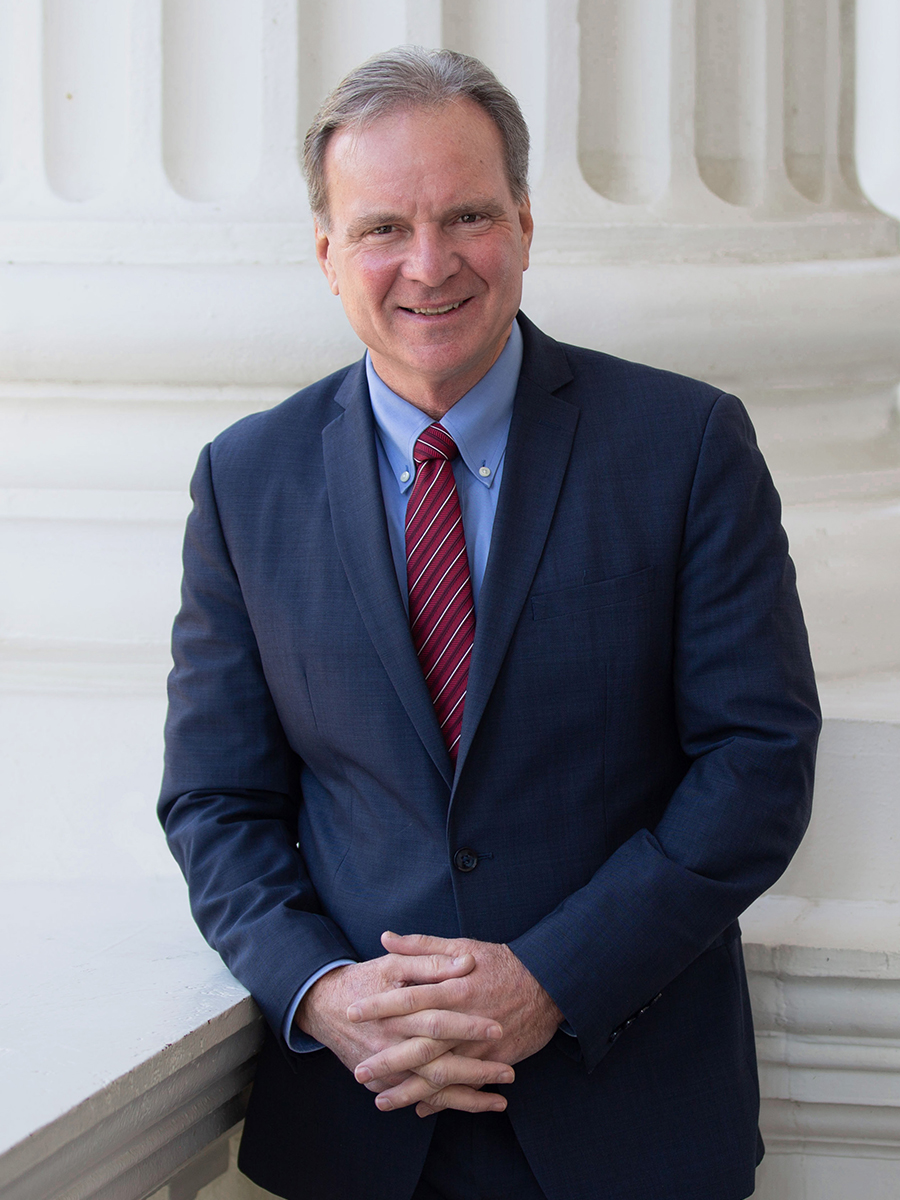
Dave Cortese
DDemocratic























Ask Maddy
·
AI policy assistant
Ask Maddy about AB 1
Scope: CA
Hi! I can help you understand AB 1. What would you like to know?
Try one of these
i
Maddy answers using official bill text and legislative records. Always verify before sharing.
Sources cited inline