

Controlled substances: treatment.
Summary
Existing law, as added by the Substance Abuse and Crime Prevention Act of 2000, adopted by voters as Proposition 36 at the November 7, 2000, statewide general election, requires that persons convicted of certain nonviolent drug possession offenses be granted probation and participate in and complete an appropriate drug treatment program as a condition of that probation. After completion of drug treatment and the terms of probation, the act requires the court to conduct a hearing, set aside the conviction, and dismiss the complaint if the court finds, among other requirements, that the defendant successfully completed drug treatment. For purposes of the act, a defendant has successfully completed treatment if they have completed the prescribed course of drug treatment and, as a result, there is reasonable cause to believe that they will not abuse controlled substances in the future. The act allows its amendment by a statute passed by 2/3 of both houses of the Legislature and requires that all amendments further the act and be consistent with its purposes. This bill would amend the act by removing the requirement that there be reasonable cause to believe that the defendant will not abuse controlled substances in the future in order to be considered as having successfully completed treatment. Existing law requires the court, when granting probation after conviction of any controlled substance offense, as specified, to order as a condition of probation that the defendant secure education or treatment from a local community agency designated by the court. Existing law requires a juvenile court to order a minor, found to have been in possession of any controlled substance, to receive education or treatment from a local community agency, as specified, and to order the minor's parents or guardian to participate in the education or treatment if beneficial to the minor. Existing law provides that a defendant's willful failure to complete a court-ordered education or treatment program shall be a circumstance in aggravation for purposes of sentencing in any subsequent prosecution for specified controlled substance violations. This bill would allow the court to order the defendant, and a juvenile court to order a minor, to complete a controlled substance education or treatment program, as specified, if available. The bill would require the court or probation department to refer defendants to controlled substance education or treatment programs that adhere to specified standards. The bill would require the county drug program administrator and representatives of the court and county probation department, with input from substance use treatment providers, to design and implement an approval and renewal process for controlled substance education and treatment programs. The bill would require the court, upon conviction of a controlled substance offense resulting in imprisonment, to recommend that the defendant attend a controlled substance education or treatment program while imprisoned. By imposing additional duties on local entities, the bill would impose a state-mandated local program. Existing law requires every county drug program administrator, in consultation with representatives of the court and the county probation department, to establish minimum requirements, criteria, and fees for the successful completion of drug diversion programs, including a minimum of 20 hours of education, counseling, or any combination of both for each divertee. This bill would clarify that the 20 hours or more of education or counseling shall include education about, among other things, how the use of controlled substances affects the body and the dangers of using controlled substances, as specified. The California Constitution requires the state to reimburse local agencies and school districts for certain costs mandated by the state. Statutory provisions establish procedures for making that reimbursement. This bill would provide that, if the Commission on State Mandates determines that the bill contains costs mandated by the state, reimbursement for those costs shall be made pursuant to the statutory provisions noted above.
Bill status
passed
3 of 5 stages cleared
Introduction
Feb 2022
Committee Review
Aug 2022
Senate Passage
May 2022
Assembly Passage
Governor
Introduced Feb 1, 2022
Last action Aug 11, 2022
Floor votes · Senate May 26, 2022
How they voted
35–0
Passed · 2 other
Total votes 37
May 26, 2022
D
Democratic29
96% Yea
R
Republican8
87% Yea
Vote distribution
All Yea
All Nay
Mixed
No data
Full legislative history
Actions timeline
Total actions
28
Key actions
9
Committee
4
Amendments
6
Aug 11, 2022
Lower · Passed
August 11 hearing: Held in committee and under submission.
lower
Jun 14, 2022
Lower · Passed
From committee: Do pass and re-refer to Com. on APPR. (Ayes 7. Noes 0.) (June 14). Re-referred to Com. on APPR.
lower
Jun 2, 2022
Committee
Referred to Com. on PUB. S.
lower
May 26, 2022
Upper · Passed
Read third time. Passed. (Ayes 38. Noes 0. Page 3983.) Ordered to the Assembly.
upper
May 19, 2022
Upper · Passed
Read second time and amended. Ordered to second reading.
upper
May 19, 2022
Upper · Passed
From committee: Do pass as amended. (Ayes 7. Noes 0. Page 3774.) (May 19).
upper
Apr 28, 2022
Upper · Passed
Read second time and amended. Re-referred to Com. on APPR.
upper
Apr 27, 2022
Upper · Passed
From committee: Do pass as amended and re-refer to Com. on APPR. (Ayes 5. Noes 0. Page 3518.) (April 26).
upper
Mar 23, 2022
Upper · Passed
From committee with author's amendments. Read second time and amended. Re-referred to Com. on PUB. S.
upper
Mar 10, 2022
Upper · Passed
From committee with author's amendments. Read second time and amended. Re-referred to Com. on PUB. S.
upper
Feb 9, 2022
Committee
Referred to Com. on PUB. S.
upper
Feb 1, 2022
Introduced
Introduced. Read first time. To Com. on RLS. for assignment. To print.
upper
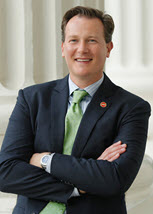
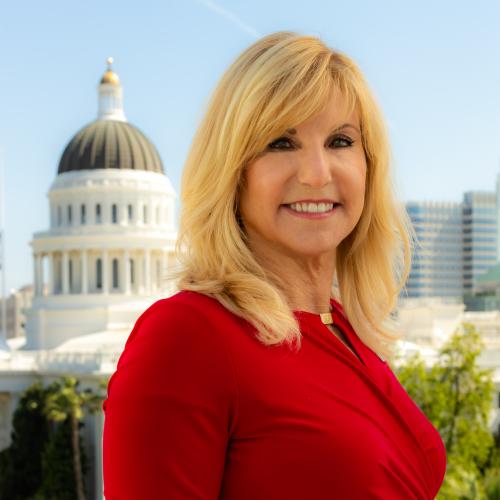
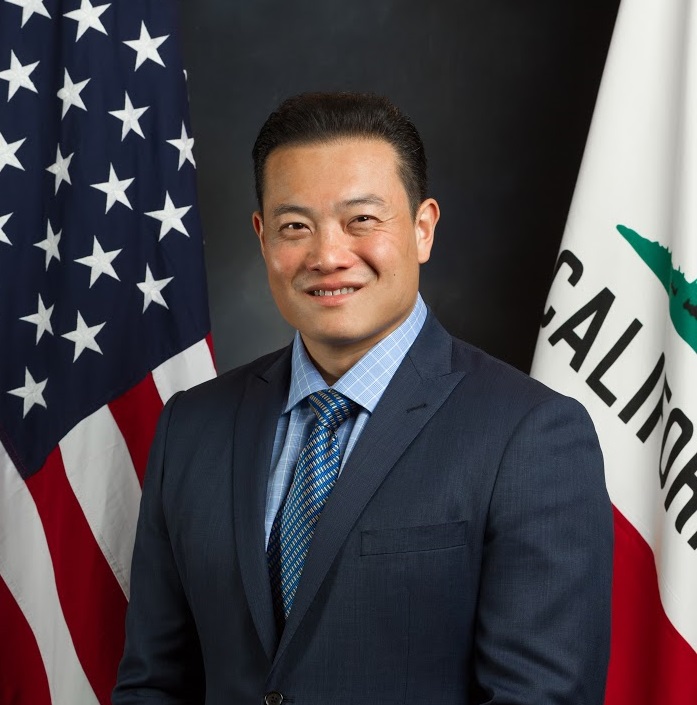
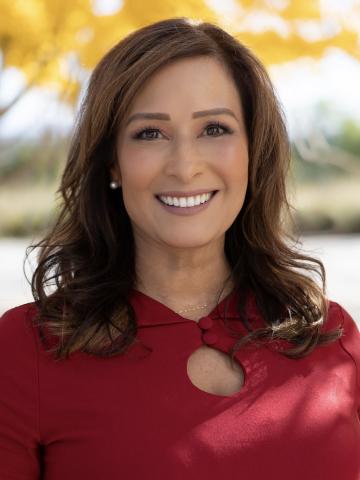
1 primary · 5 co-sponsors
Sponsors


Ask Maddy
·
AI policy assistant
Ask Maddy about SB 904
Scope: CA
Hi! I can help you understand SB 904. What would you like to know?
Try one of these
i
Maddy answers using official bill text and legislative records. Always verify before sharing.
Sources cited inline