

Drought planning: small water suppliers: nontransient noncommunity water systems.
Summary
Existing law declares that small water suppliers and rural communities are often not covered by established water shortage requirements, and that the state should provide guidance to improve drought planning for small water suppliers and rural communities. Existing law required the Department of Water Resources, in consultation with the State Water Resources Control Board and other relevant state and local agencies and stakeholders, to use available data to identify, no later than January 1, 2020, small water suppliers and rural communities that may be at risk of drought and water shortage vulnerability. To implement this directive, the department formed a stakeholder advisory group, the County Drought Advisory Group. Existing law required the department, in consultation with the state board, to propose to the Governor and the Legislature, by January 1, 2020, recommendations and guidance relating to the development and implementation of countywide drought and water shortage contingency plans to address the planning needs of small water suppliers and rural communities, as provided. This bill would require small water suppliers, as defined, serving 1,000 to 2,999 service connections, inclusive, and nontransient noncommunity water systems that are schools, no later than July 1, 2023, to develop and maintain an abridged Water Shortage Contingency Plan that includes specified drought-planning elements. The bill would require a small water supplier serving fewer than 1,000 service connections to add drought planning elements to its emergency notification or response plan and submit the plan to the state board. The bill would require these water systems to report annually specified water supply condition information to the state board through the state board's Electronic Annual Reporting System or other reporting tool, as directed by the state board. The bill would require small water suppliers and nontransient noncommunity water systems that are schools to implement, subject to funding availability, specified drought resiliency measures, including, among others, having at least one backup source of water supply and metering each service connection. The bill would exempt from these provisions small water suppliers, or small water suppliers integrated into larger water systems, that voluntarily choose to instead comply with specified existing law relating to urban water management plans. This bill would require a county to establish a standing county drought and water shortage task force to facilitate drought and water shortage preparedness for state small water systems and domestic wells within the county's jurisdiction, as provided. The bill would authorize a county, in lieu of establishing a standing task force, to establish an alternative process that facilitates drought and water shortage preparedness for state small water systems and domestic wells within the county's jurisdiction, as provided. The bill would provide that a county that establishes a drought task force on or before January 1, 2022, shall be deemed in compliance with these requirements as long as the task force continues to exist. The bill would require a county to develop a plan that includes potential drought and water shortage risk and proposed interim and long-term solutions, as provided. Because the bill would impose additional duties on counties, the bill would impose a state-mandated local program. This bill would require the department to take specified actions to support implementation of the recommendations from the County Drought Advisory Group. The bill would require the department to establish a standing interagency drought and water shortage task force to, among other things, facilitate proactive planning and coordination, both for predrought planning and postdrought emergency response, which shall consist of various representatives, including representatives from local governments. Because the bill would impose additional duties on local governments, the bill would impose a state-mandated local program. The California Constitution requires the state to reimburse local agencies and school districts for certain costs mandated by the state. Statutory provisions establish procedures for making that reimbursement. This bill would provide that, if the Commission on State Mandates determines that the bill contains costs mandated by the state, reimbursement for those costs shall be made pursuant to the statutory provisions noted above.
Bill status
signed
all 5 stages cleared
Introduction
Feb 2021
Committee Review
Aug 2021
Senate Passage
Jun 2021
Assembly Passage
Sep 2021
Signed into Law
Sep 2021
Introduced Feb 18, 2021
Signed Sep 23, 2021
Floor votes · Senate Jun 1, 2021 · Assembly Sep 8, 2021
How they voted
40–0
Passed
Total votes 40
Jun 1, 2021
D
Democratic31
100% Yea
R
Republican9
100% Yea
Vote distribution
All Yea
All Nay
Mixed
No data
Full legislative history
Actions timeline
Total actions
38
Key actions
18
Committee
4
Amendments
14
Sep 23, 2021
Signed into law
Approved by the Governor.
legislature
Sep 9, 2021
Upper · Passed
Assembly amendments concurred in. (Ayes 38. Noes 0. Page 2558.) Ordered to engrossing and enrolling.
upper
Sep 8, 2021
Introduced
In Senate. Concurrence in Assembly amendments pending.
upper
Sep 8, 2021
Lower · Passed
Read third time. Passed. (Ayes 69. Noes 2. Page 2917.) Ordered to the Senate.
lower
Sep 3, 2021
Lower · Passed
Read third time and amended.
lower
Aug 30, 2021
Lower · Passed
Read second time and amended. Ordered to second reading.
lower
Aug 26, 2021
Lower · Passed
From committee: Do pass as amended. (Ayes 12. Noes 4.) (August 26).
lower
Aug 16, 2021
Lower · Passed
August 19 hearing postponed by committee.
lower
Jul 5, 2021
Lower · Passed
Read second time and amended. Re-referred to Com. on APPR.
lower
Jul 1, 2021
Lower · Passed
From committee: Do pass as amended and re-refer to Com. on APPR. (Ayes 8. Noes 0.) (June 30).
lower
Jun 21, 2021
Lower · Passed
Read second time and amended. Re-referred to Com. on L. GOV.
lower
Jun 17, 2021
Lower · Passed
From committee: Do pass as amended and re-refer to Com. on L. GOV. (Ayes 11. Noes 3.) (June 17).
lower
Jun 14, 2021
Lower · Passed
From committee with author's amendments. Read second time and amended. Re-referred to Com. on W.,P., & W.
lower
Jun 10, 2021
Committee
Referred to Coms. on W.,P., & W. and L. GOV.
lower
Jun 1, 2021
Upper · Passed
Read third time. Passed. (Ayes 40. Noes 0. Page 1323.) Ordered to the Assembly.
upper
May 20, 2021
Upper · Passed
Read second time and amended. Ordered to second reading.
upper
May 20, 2021
Upper · Passed
From committee: Do pass as amended. (Ayes 7. Noes 0. Page 1196.) (May 20).
upper
Apr 27, 2021
Upper · Passed
Read second time and amended. Re-referred to Com. on APPR.
upper
Apr 26, 2021
Upper · Passed
From committee: Do pass as amended and re-refer to Com. on APPR. (Ayes 5. Noes 0. Page 896.) (April 22).
upper
Apr 13, 2021
Upper · Passed
From committee: Do pass and re-refer to Com. on GOV. & F. (Ayes 8. Noes 0. Page 777.) (April 13). Re-referred to Com. on GOV. & F.
upper
Mar 3, 2021
Committee
Referred to Coms. on N.R. & W. and GOV. & F.
upper
Feb 18, 2021
Introduced
Introduced. Read first time. To Com. on RLS. for assignment. To print.
upper
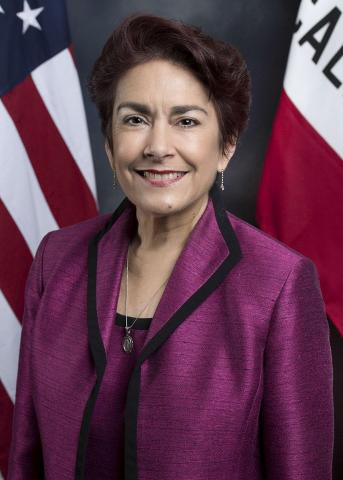
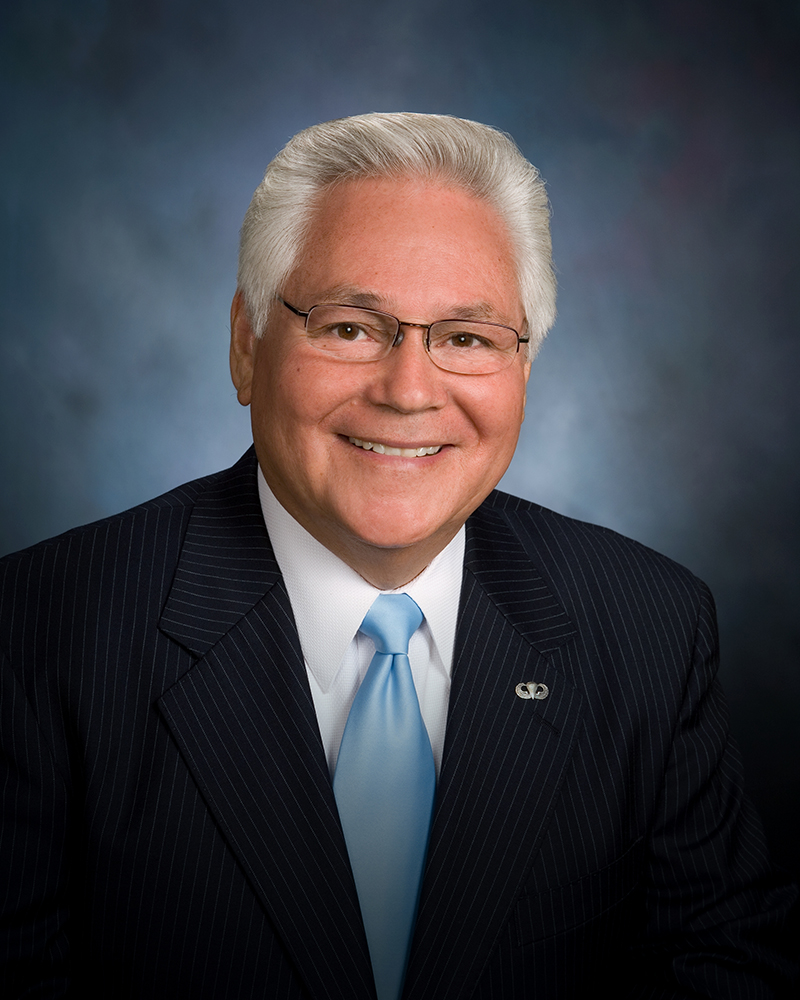
1 primary · 6 co-sponsors
Sponsors





Ask Maddy
·
AI policy assistant
Ask Maddy about SB 552
Scope: CA
Hi! I can help you understand SB 552. What would you like to know?
Try one of these
i
Maddy answers using official bill text and legislative records. Always verify before sharing.
Sources cited inline