

Solid waste: reporting, packaging, and plastic food service ware.
Summary
(1) The California Integrated Waste Management Act of 1989, administered by the Department of Resources Recycling and Recovery, generally regulates the disposal, management, and recycling of solid waste. The act requires disposal facility operators to submit information to the department on the disposal tonnages that are disposed of at the disposal facility, and requires solid waste handlers and transfer station operators to provide information to disposal facility operators for purposes of that requirement. The act requires recycling and composting operations and facilities to submit periodic information to the department on the types and quantities of materials that are disposed of, sold, or transferred to other recycling or composting facilities or specified entities. This bill would provide that these reporting requirements do not apply to materials that are used by facilities defined as end users pursuant to the regulations adopted by the department or that are otherwise exempt pursuant to those regulations. The bill would also clarify that recycling is not limited to the processing of materials that would otherwise become solid waste, but also includes processes applied to nonhazardous materials that have value principally as a feedstock for that processing, regardless of whether the materials have been discarded or constitute solid waste. The bill would further clarify that, regardless of whether a recycling operation or facility is required to register and report pursuant to specified regulations adopted by the department, that recycling operation or facility is not a solid waste handler unless the operation or facility is, in fact, handling solid waste. (2) The California Integrated Waste Management Act of 1989 regulates the disposal, management, and recycling of, among other solid waste, plastic packaging containers and single-use foodware accessories. The Sustainable Packaging for the State of California Act of 2018 prohibits a food service facility located in a state-owned facility, operating on or acting as a concessionaire on state property or under contract to provide food service to a state agency, from dispensing prepared food using a type of food service packaging unless the type of food service packaging is on a list that the department publishes and maintains on its internet website that contains types of approved food service packaging that are reusable, recyclable, or compostable. Existing law makes a legislative declaration that it is the policy goal of the state that, annually, not less than 75% of solid waste generated be source reduced, recycled, or composted. This bill would establish the Plastic Pollution Prevention and Packaging Producer Responsibility Act, which would cover certain single-use packaging and plastic single-use food service ware, as provided. As part of its comprehensive statutory scheme, the bill would require the producers, as defined, of these covered materials to source reduce plastic covered material, to ensure that covered material offered for sale, distributed, or imported in or into the state on or after January 1, 2032, is recyclable or compostable, and to ensure that plastic covered material offered for sale, distributed, or imported in or into the state meets specified recycling rates. In particular, the bill would require not less than 65% of plastic covered material to be recycled on and after January 1, 2032, and would authorize the department to increase or decrease the specified recycling rates in certain circumstances. The bill would require certain material types and forms to be considered recyclable in the state, and would authorize those material types and forms to be labeled as recyclable, under certain circumstances. The bill would prohibit a producer from selling, offering for sale, importing, or distributing covered materials in the state unless the producer is approved to participate in the producer responsibility plan of a producer responsibility organization (PRO) , as prescribed, for the source reduction, collection, processing, and recycling of covered material. Alternatively, the bill would require a producer to comply with the act individually without participating in a PRO's plan. The bill would impose various requirements on PROs and producers in relation to the act, including registration, reporting, recordkeeping, and auditing requirements, and preparing a budget and annual report. The bill would require a PRO or producer to provide certain certifications under penalty of perjury. By expanding the scope of the crime of perjury, the bill would impose a state-mandated local program. The bill would require a PRO to establish a charge for its participant producers sufficient to ensure the requirements of the act are met by the PRO, and would therefore impose a tax. The bill would specify the purposes for which the revenue from the charge may be spent, including the costs of the PRO, the costs of a producer responsibility advisory board that the bill would create, and other costs specified in the PRO's budget. The bill would require a PRO, commencing in the 2027 calendar year, and until January 1, 2037, to remit a $500,000,000 surcharge each year, as provided, to the California Department of Tax and Fee Administration (CDTFA) to be deposited into the California Plastic Pollution Mitigation Fund, which the bill would create, and would outline requirements applicable to the collection and administration of the surcharge. The bill would require the PRO to establish and impose on its participant producers an environmental mitigation surcharge in an amount sufficient to raise that sum and to remit those moneys, and would authorize a PRO to collect up to $150,000,000 from plastic resin manufacturers who sell plastic covered material to producers who are participants of the PRO, as prescribed. The bill would therefore impose a tax. The bill would require moneys in the California Plastic Pollution Mitigation Fund to be expended, upon appropriation by the Legislature, by specified state agencies on purposes relating to mitigating the environmental impacts of plastic. The bill would prohibit those appropriations from replacing or reducing funding for those purposes from any other source, including certain appropriations in the Budget Act of 2019. The bill would require the department to adopt regulations to implement the act, as prescribed, and would require the department to publish certain information and lists on its internet website. The bill would require that local jurisdictions and recycling service providers include in their collection and recycling programs covered material contained on the lists published by the department, except as specified. By imposing additional requirements on local jurisdictions, the bill would impose a state-mandated local program. The bill would require the department to prepare, or to select an independent third-party contractor to complete, one or more initial statewide needs assessments designed to determine the necessary steps and investment needed for covered material to achieve the requirements of the act. The bill would require the PRO to reimburse the department for the cost of developing the needs assessments, thereby imposing a tax. The bill would require a PRO to pay a charge named the "California circular economy administrative fee" to the department and would require the department to set the charge at an amount adequate to cover the department's and any other state agency's costs of implementing and enforcing the comprehensive statutory scheme. The bill would require the administrative fees to be deposited into the California Circular Economy Fund, which the bill would create. The bill would make moneys in the fund available upon appropriation by the Legislature to the department for the department's activities pursuant to the act and to reimburse any outstanding loans made from other funds used to finance the initial costs of the department's activities. The bill would require the department and agencies receiving funding under the act to report specified information to the Legislature concerning the act's implementation. The bill would require, if the department determines that a PRO or producer has not achieved specified targets established pursuant to the act, the department to adopt regulations that contain certain provisions of the act, as prescribed. The bill would provide for its enforcement, including authorizing the department to impose an administrative civil penalty in an amount not to exceed $50,000 per day per violation, except as specified, on any entity that is not in compliance with the act's requirements. The bill would require the department to deposit collected penalties into the Circular Economy Penalty Account, which the bill would create. The bill would make moneys in the account available upon appropriation by the Legislature for purposes that further the act. (3) Existing constitutional provisions require that a statute that limits the right of access to the meetings of public bodies or the writings of public officials and agencies be adopted with findings demonstrating the interest protected by the limitation and the need for protecting that interest. This bill would make legislative findings to that effect. (4) The California Constitution requires the state to reimburse local agencies and school districts for certain costs mandated by the state. Statutory provisions establish procedures for making that reimbursement. This bill would provide that with regard to certain mandates no reimbursement is required by this act for a specified reason. With regard to any other mandates, this bill would provide that, if the Commission on State Mandates determines that the bill contains costs so mandated by the state, reimbursement for those costs shall be made pursuant to the statutory provisions noted above. (5) This bill would include a change in state statute that would result in a taxpayer paying a higher tax within the meaning of Section 3 of Article XIIIA of the California Constitution, and thus would require for passage the approval of 23 of the membership of each house of the Legislature.
Bill status
signed
all 5 stages cleared
Introduction
Dec 2020
Committee Review
Jun 2022
Senate Passage
Jan 2022
Assembly Passage
Jun 2022
Signed into Law
Jun 2022
Introduced Dec 7, 2020
Signed Jun 30, 2022
Floor votes · Senate Jan 24, 2022 · Assembly Jun 30, 2022
How they voted
27–7
Passed · 3 other
Total votes 37
Jan 24, 2022
D
Democratic29
93% Yea
R
Republican8
87% Nay
Vote distribution
All Yea
All Nay
Mixed
No data
Full legislative history
Actions timeline
Total actions
35
Key actions
14
Committee
8
Amendments
6
Jun 30, 2022
Assembly · Passed
Assembly Vote: pass (64-2-11)
assembly
Jun 30, 2022
Signed into law
Approved by the Governor.
legislature
Jun 30, 2022
Upper · Passed
Assembly amendments concurred in. (Ayes 29. Noes 0. Page 4572.) Ordered to engrossing and enrolling.
upper
Jun 29, 2022
Introduced
In Senate. Concurrence in Assembly amendments pending.
upper
Jun 29, 2022
Lower · Passed
Read third time. Passed. (Ayes 67. Noes 2. Page 5628.) Ordered to the Senate.
lower
Jun 29, 2022
Lower · Passed
From committee: Do pass. (Ayes 14. Noes 0.) (June 29).
lower
Jun 28, 2022
Lower · Passed
From committee: Do pass and re-refer to Com. on APPR. (Ayes 9. Noes 0.) (June 28). Re-referred to Com. on APPR.
lower
Jun 26, 2022
Lower · Passed
From committee with author's amendments. Read second time and amended. Re-referred to Com. on NAT. RES.
lower
Jun 24, 2022
Lower · Passed
From committee with author's amendments. Read second time and amended. Re-referred to Com. on NAT. RES.
lower
Jun 16, 2022
Lower · Passed
From committee with author's amendments. Read second time and amended. Re-referred to Com. on NAT. RES.
lower
May 5, 2022
Committee
Referred to Com. on NAT. RES.
lower
Jan 24, 2022
Upper · Passed
Read third time. Passed. (Ayes 29. Noes 7. Page 2800.) Ordered to the Assembly.
upper
May 10, 2021
Upper · Passed
From committee: Be ordered to second reading pursuant to Senate Rule 28.8.
upper
Apr 27, 2021
Upper · Passed
From committee: Do pass and re-refer to Com. on APPR. (Ayes 5. Noes 1. Page 917.) (April 26). Re-referred to Com. on APPR.
upper
Apr 7, 2021
Upper · Passed
April 12 hearing postponed by committee.
upper
Mar 11, 2021
Committee
Re-referred to Com. on E.Q.
upper
Feb 25, 2021
Upper · Passed
From committee with author's amendments. Read second time and amended. Re-referred to Com. on RLS.
upper
Jan 28, 2021
Committee
Referred to Com. on RLS.
upper
Dec 7, 2020
Introduced
Introduced. Read first time. To Com. on RLS. for assignment. To print.
upper
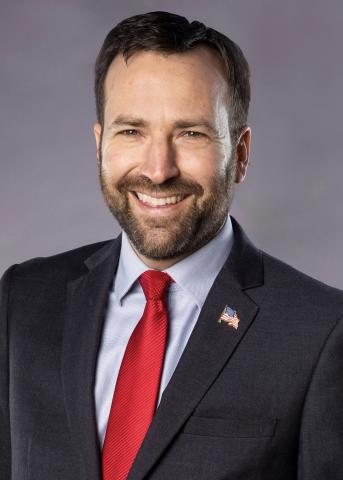
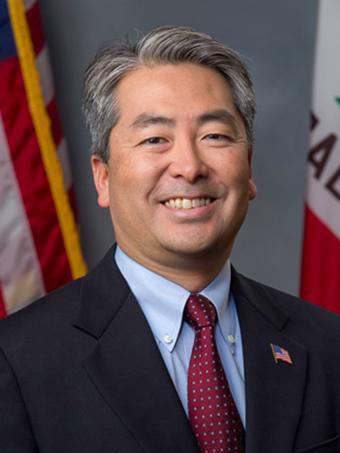
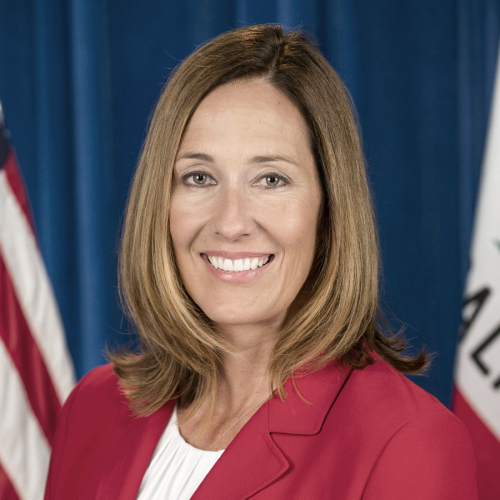
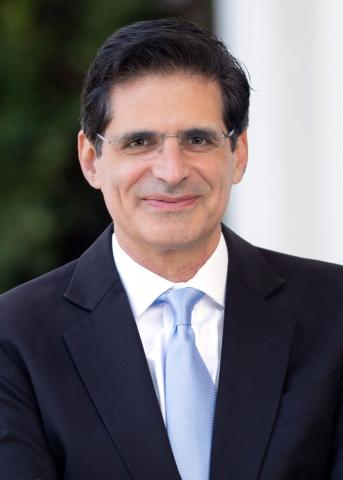
1 primary · 16 co-sponsors
Sponsors











Ask Maddy
·
AI policy assistant
Ask Maddy about SB 54
Scope: CA
Hi! I can help you understand SB 54. What would you like to know?
Try one of these
i
Maddy answers using official bill text and legislative records. Always verify before sharing.
Sources cited inline