

Wildlife: prohibitions on possession, transportation, and importation of wild animals: live animal markets.
Summary
(1) Existing law authorizes the Department of Fish and Wildlife to exchange or release to any appropriate federal, state, or local agency or agencies in other states, for purposes of law enforcement, any information collected or maintained by the department under any provision of the Fish and Game Code or any regulation adopted pursuant to this code. This bill would require the Director of Fish and Wildlife, or a designated representative, to coordinate with and cooperate on wildlife trafficking with authorized representatives of the States of Oregon, Washington, and any other state. The bill would provide that these efforts shall include, but are not limited to, notification of wildlife trafficking violations observed in this state, and any potential emerging zoonotic disease risk associated with wildlife. (2) Existing law requires the Fish and Game Commission, in cooperation with the Department of Food and Agriculture, to adopt regulations governing both (A) the entry, importation, possession, transportation, keeping, confinement, or release of any and all wild animals that will be or that have been imported into this state, and (B) the possession of all other wild animals. Existing law requires the regulations to be designed to prevent damage to the native wildlife or agricultural interests of this state resulting from the existence at large of these wild animals, and to provide for the welfare of wild animals and the safety of the public. This bill would require the Department of Fish and Wildlife to immediately suspend any authorization to import a wild animal species into the state when the Director of Fish and Wildlife makes a written finding that the scientific evidence using credible science suggests zoonotic transmission from this species, or a closely related species within the same family, could be responsible for a novel, or not previously reported, readily transmissible human disease in order to protect the public health and safety, native wildlife, and agricultural interests of this state. The bill would prohibit the department from authorizing the importation of any individual animals of a wild animal species that could be responsible for zoonotic transmission of a readily transmissible human disease until a protocol for robust testing, effective treatment, or quarantine, as provided, is implemented to ensure that all individual animals subject to an authorization are not carriers. (3) Existing law exempts any university, college, governmental research agency, or other bona fide scientific institution, as specified, engaging in scientific or public health research from any permit requirement for the importation, transportation, and sheltering of restricted live wild animals except for animals whose importation, transportation, or possession is determined by the Department of Fish and Wildlife, in cooperation with the Department of Food and Agriculture, to be detrimental or cause damage to agriculture, native wildlife, or the public health or safety. This bill would authorize the department to issue a restricted species permit for a live wild animal prohibited from importation or transportation into the state on a case-by-case basis to a university, college, governmental research agency, or other bona fide scientific institution conducting bona fide medical or scientific research, as determined by the department, that cannot otherwise be conducted without the live wild animal. The bill would require, for a live wild animal that could be responsible for zoonotic transmission of a readily transmissible human disease, as provided, the department to require the applicant to demonstrate biosafety equipment and protocols necessary to safely handle that live wild animal. (4) Existing law requires the Department of Fish and Wildlife to establish fees for permits, permit applications, and facility inspections in amounts sufficient to cover the costs of administering, implementing, and enforcing provisions of law governing the importation, transportation, and sheltering of restricted live wild animals. This bill would require the department, at least once every 5 years, to analyze and, as necessary, adjust those fees to meet the requirements of this provision. (5) Existing law prohibits the importation of a live aquatic plant or animal into this state without the prior written approval of the Department of Fish and Wildlife pursuant to regulations adopted by the Fish and Game Commission, except as specified. This bill would require the department to adjust the amount of the fees adopted by the commission for importation permits for a live aquatic plant or animal, as necessary, to fully recover, but not exceed, all reasonable administrative and implementation costs of the department and the commission relating to these permits. (6) Existing law prohibits a person who operates a live animal market from engaging in specified practices, including confining or displaying an animal in a manner that is likely to result in injury. Existing law defines a "live animal market" as a retail food market where frogs, turtles, and birds other than poultry are stored alive and sold to consumers for purposes of human consumption. Existing law imposes specified warnings and fines for a violation of these provisions. This bill would prohibit a person who operates a live animal market from storing or selling an animal that is a known or likely invasive species or that is of a taxa known or likely to be responsible for zoonotic transmission of a disease, as determined by the Fish and Game Commission. The bill would require the commission to adopt regulations governing the storing and sale of animals for live animal markets. By creating a new crime, this bill would impose a state-mandated local program. The bill instead would require a fine to be paid after a subsequent violation of the above provisions without exceptions, and would specify how the fine is apportioned. (7) The California Constitution requires the state to reimburse local agencies and school districts for certain costs mandated by the state. Statutory provisions establish procedures for making that reimbursement. This bill would provide that no reimbursement is required by this act for a specified reason.
Bill status
in committee
1 of 4 stages cleared
Introduction
Feb 2021
Committee Review
Floor Vote
Governor
Introduced Feb 10, 2021
Last action Feb 1, 2022
Floor votes
How they voted
No floor votes recorded yet.
Full legislative history
Actions timeline
Total actions
20
Key actions
6
Committee
5
Amendments
3
May 20, 2021
Upper · Passed
May 20 hearing: Held in committee and under submission.
upper
May 4, 2021
Upper · Passed
Read second time and amended. Re-referred to Com. on APPR.
upper
May 3, 2021
Upper · Passed
From committee: Do pass as amended and re-refer to Com. on APPR. (Ayes 5. Noes 0. Page 940.) (April 27).
upper
Apr 15, 2021
Upper · Passed
From committee: Do pass and re-refer to Com. on PUB. S. (Ayes 7. Noes 0. Page 816.) (April 15). Re-referred to Com. on PUB. S.
upper
Apr 13, 2021
Upper · Passed
April 13 hearing postponed by committee.
upper
Mar 18, 2021
Committee
Re-referred to Coms. on N.R. & W. and PUB. S.
upper
Mar 4, 2021
Upper · Passed
From committee with author's amendments. Read second time and amended. Re-referred to Com. on RLS.
upper
Feb 17, 2021
Committee
Referred to Com. on RLS.
upper
Feb 10, 2021
Introduced
Introduced. Read first time. To Com. on RLS. for assignment. To print.
upper
1 primary · 0 co-sponsors
Sponsors
Role
Legislator
Party
State
District
P
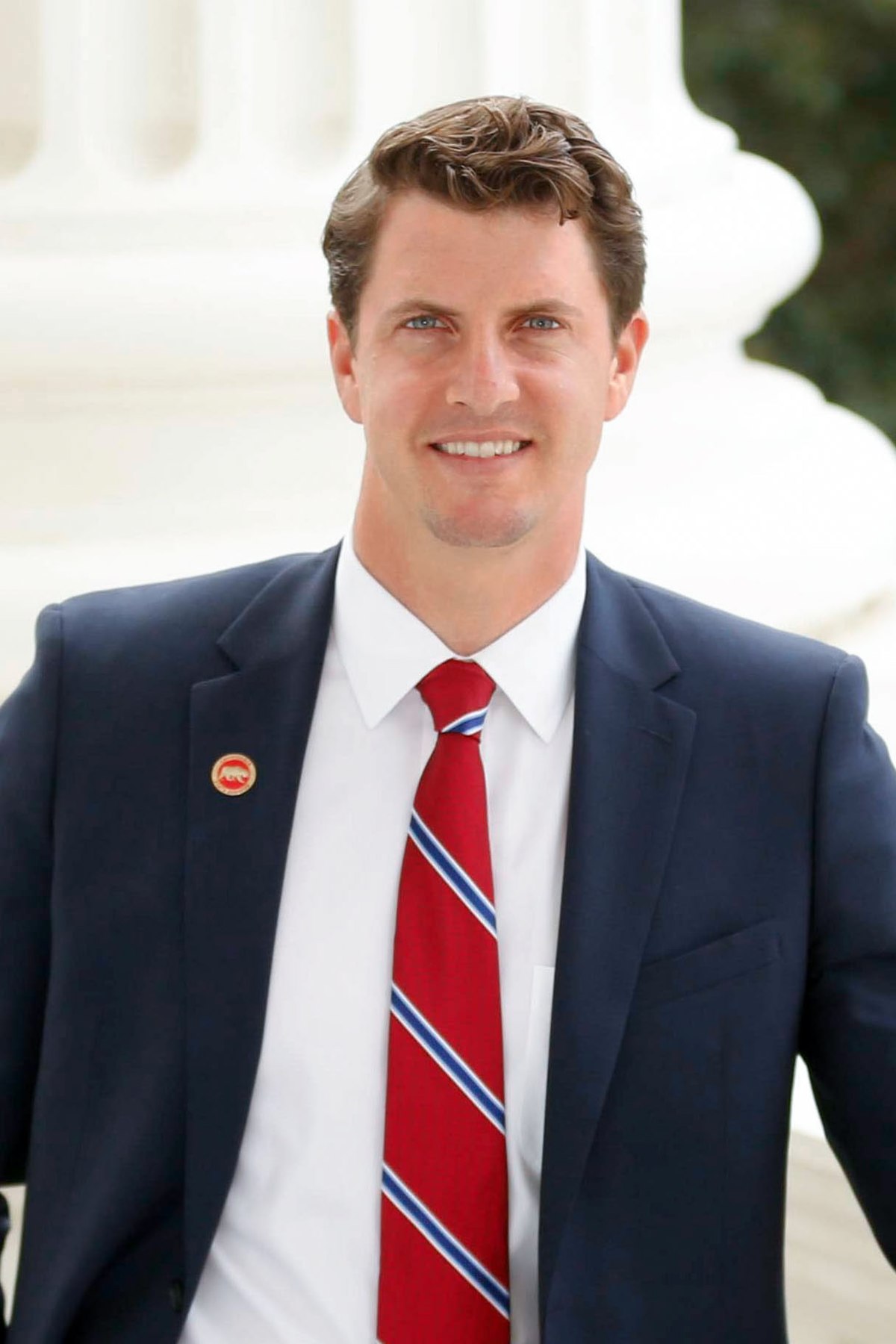
Henry Stern
DDemocratic
Ask Maddy
·
AI policy assistant
Ask Maddy about SB 376
Scope: CA
Hi! I can help you understand SB 376. What would you like to know?
Try one of these
i
Maddy answers using official bill text and legislative records. Always verify before sharing.
Sources cited inline