

Social media platforms: amplification of harmful content.
Summary
Existing law prohibits a person, among others, from making or disseminating in any advertising device, or in any manner or means whatsoever, including over the internet, any statement concerning real or personal property or services that is untrue or misleading, as specified. Existing law defines "libel" as a false and unprivileged publication, including by writing, printing, or picture, that exposes any person to hatred, contempt, and ridicule, among other things. This bill would prohibit a social media platform, as defined, from amplifying harmful content in a manner that results in a user viewing harmful content from another user with whom the user did not choose to share a connection. The bill would define "amplify" to mean to take action, either through manual or automatic means, that has the effect of increasing the viewership of certain material. The bill would provide that harmful content includes libel or slander, as specified, threats of imminent violence against governmental entities, and disinformation or misinformation, including, but not limited to, false or misleading information regarding medicine or vaccinations, false or misleading information regarding elections, and conspiracy theories. This bill would require a social media platform to establish a complaint process for users to access within the platform to report harmful content they believe has been amplified, and track each complaint in a database that is shared with the Attorney General, as specified. The bill provides that a platform violates these provisions if the platform continues to amplify reported harmful content after 24 hours of receiving notice from the Attorney General that the platform was amplifying that harmful content. This bill would authorize the enforcement of these provisions by civil action in a court of competent jurisdiction by the Attorney General and specify civil penalties to which violators would be subject. The bill would prohibit its provisions from being deemed to create a private right of action or limit any existing private right of action. The bill would exempt any information shared with the Attorney General pursuant to this chapter from disclosure under the California Public Records Act. Existing constitutional provisions require that a statute that limits the right of access to the meetings of public bodies or the writings of public officials and agencies be adopted with findings demonstrating the interest protected by the limitation and the need for protecting that interest. This bill would make legislative findings to that effect.
Bill status
in committee
1 of 4 stages cleared
Introduction
Feb 2022
Committee Review
Floor Vote
Governor
Introduced Feb 18, 2022
Last action Apr 21, 2022
Floor votes
How they voted
No floor votes recorded yet.
Full legislative history
Actions timeline
Total actions
8
Key actions
1
Committee
2
Amendments
1
Mar 23, 2022
Committee
Re-referred to Com. on JUD.
upper
Mar 14, 2022
Upper · Passed
From committee with author's amendments. Read second time and amended. Re-referred to Com. on RLS.
upper
Mar 9, 2022
Committee
Referred to Com. on RLS.
upper
Feb 18, 2022
Introduced
Introduced. Read first time. To Com. on RLS. for assignment. To print.
upper
1 primary · 0 co-sponsors
Sponsors
Role
Legislator
Party
State
District
P
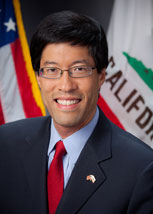
Richard Pan
DDemocratic
Ask Maddy
·
AI policy assistant
Ask Maddy about SB 1390
Scope: CA
Hi! I can help you understand SB 1390. What would you like to know?
Try one of these
i
Maddy answers using official bill text and legislative records. Always verify before sharing.
Sources cited inline