

Employment: Salaries and Wages.
Summary
Existing law establishes the Civil Rights Department within the Business, Consumer Services, and Housing Agency to enforce civil rights laws with respect to housing and employment and to protect and safeguard the right of all persons to obtain and hold employment without discrimination based on specified characteristics or status. Existing law requires a private employer that has 100 or more employees and is required to file an annual Employer Information Report (EEO-1) pursuant to federal law to submit a pay data report to the department that contains specified employee information on or before March 31, 2021, and on or before March 31 each year thereafter. Existing law prescribes the information that must be included in the pay data report, including the number of employees by race, ethnicity, and sex in specified job categories. Existing law requires employers with multiple establishments to submit a report for each establishment and a consolidated report that includes all employees. Existing law permits the department to develop, publish on an annual basis, and publicize aggregate reports, provided that the aggregate reports are reasonably calculated to prevent the association of any data with any individual business or person. Existing law provides that an employer is in compliance with the requirement that it submit a pay data report if it submits an EEO-1 to the department containing the same or substantially similar pay data information. Existing law permits the department to seek an order requiring an employer to comply with these provisions and permits it to recover the costs associated with seeking the order for compliance. This bill would, instead, require a private employer that has 100 or more employees to submit a pay data report to the department. This bill would revise the timeframe in which a private employer is required to submit this information to require that it be provided on or before the second Wednesday of May 2023, and for each year thereafter on or before the second Wednesday of May. This bill would also require a private employer that has 100 or more employees hired through labor contractors, as defined, to also submit a separate pay data report to the department for those employees in accordance with the above timeframe, as specified. This bill would require the pay data reports to include the median and mean hourly rate for each combination of race, ethnicity, and sex within each job category. This bill would delete a provision requiring employers with multiple establishments to submit a consolidated report. This bill would delete the provision authorizing an employer to submit an EEO-1 in lieu of a pay data report. This bill would permit a court to impose a civil penalty not to exceed one hundred dollars ($100) per employee upon any employer who fails to file the required report and not to exceed two hundred dollars ($200) per employee upon any employer for a subsequent failure to file the required report. The bill would require those penalties to be deposited in the Civil Rights Enforcement and Litigation Fund. Existing law creates the Division of Labor Standards Enforcement, under the direction of the Labor Commissioner, within the Department of Industrial Relations to enforce labor laws. Existing law requires an employer, upon reasonable request, to provide the pay scale for a position to an applicant applying for employment. Existing law defines pay scale for these purposes to mean salary or hourly wage range. This bill would also require an employer, upon request, to provide to an employee the pay scale for the position in which the employee is currently employed. The bill would require an employer with 15 or more employees to include the pay scale for a position in any job posting. The bill would require an employer to maintain records of a job title and wage rate history for each employee for a specified timeframe, to be open to inspection by the Labor Commissioner. The bill would create a rebuttable presumption in favor of an employee's claim if an employer fails to keep records in violation of these provisions. The bill would require an employer with 15 or more employees that engages a third party to announce, post, publish, or otherwise make known a job posting to provide the pay scale to the third party and would require the third party to include the pay scale in the job posting. The bill would require the Labor Commissioner to investigate complaints alleging violations of these requirements and would authorize the commissioner to order an employer to pay a civil penalty upon finding an employer has violated these provisions. The bill would also authorize a person aggrieved by a violation of these provisions to bring a civil action for injunctive and any other appropriate relief. This bill would require deposit of the civil penalties collected pursuant to these provisions into the Labor Enforcement and Compliance Fund, and would authorize these funds to be used, upon appropriation by the Legislature, for administration and enforcement of these provisions.
Bill status
signed
all 5 stages cleared
Introduction
Feb 2022
Committee Review
Jun 2022
Senate Passage
May 2022
Assembly Passage
Aug 2022
Signed into Law
Sep 2022
Introduced Feb 17, 2022
Signed Sep 27, 2022
Floor votes · Senate May 24, 2022 · Assembly Aug 30, 2022
How they voted
25–8
Passed · 4 other
Total votes 37
May 24, 2022
D
Democratic29
86% Yea
R
Republican8
100% Nay
Vote distribution
All Yea
All Nay
Mixed
No data
Full legislative history
Actions timeline
Total actions
35
Key actions
16
Committee
6
Amendments
10
Sep 27, 2022
Signed into law
Approved by the Governor.
legislature
Aug 30, 2022
Assembly · Passed
Assembly Vote: pass (51-14-12)
assembly
Aug 30, 2022
Upper · Passed
Assembly amendments concurred in. (Ayes 31. Noes 9. Page 5280.) Ordered to engrossing and enrolling.
upper
Aug 29, 2022
Introduced
In Senate. Concurrence in Assembly amendments pending.
upper
Aug 29, 2022
Lower · Passed
Read third time. Passed. Ordered to the Senate.
lower
Aug 24, 2022
Lower · Passed
Read third time and amended.
lower
Aug 15, 2022
Lower · Passed
Read second time and amended. Ordered to second reading.
lower
Aug 11, 2022
Lower · Passed
From committee: Do pass as amended. (Ayes 12. Noes 4.) (August 11).
lower
Jun 22, 2022
Lower · Passed
From committee: Do pass and re-refer to Com. on APPR. (Ayes 5. Noes 2.) (June 22). Re-referred to Com. on APPR.
lower
Jun 14, 2022
Lower · Passed
From committee with author's amendments. Read second time and amended. Re-referred to Com. on L. & E.
lower
Jun 14, 2022
Lower · Passed
From committee: Do pass and re-refer to Com. on L. & E. (Ayes 7. Noes 2.) (June 14). Re-referred to Com. on L. & E.
lower
Jun 6, 2022
Committee
Re-referred to Coms. on JUD. and L. & E. pursuant to Assembly Rule 96.
lower
May 27, 2022
Committee
Referred to Coms. on L. & E. and JUD.
lower
May 24, 2022
Upper · Passed
Read third time. Passed. (Ayes 27. Noes 9. Page 3864.) Ordered to the Assembly.
upper
May 19, 2022
Upper · Passed
Read second time and amended. Ordered to second reading.
upper
May 19, 2022
Upper · Passed
From committee: Do pass as amended. (Ayes 5. Noes 2. Page 3786.) (May 19).
upper
May 2, 2022
Upper · Passed
Read second time and amended. Re-referred to Com. on APPR.
upper
Apr 28, 2022
Upper · Passed
From committee: Do pass as amended and re-refer to Com. on APPR. (Ayes 9. Noes 2. Page 3514.) (April 26).
upper
Apr 5, 2022
Upper · Passed
From committee: Do pass and re-refer to Com. on JUD. (Ayes 4. Noes 1. Page 3309.) (April 4). Re-referred to Com. on JUD.
upper
Mar 2, 2022
Committee
Referred to Coms. on L., P.E. & R. and JUD.
upper
Feb 17, 2022
Introduced
Introduced. Read first time. To Com. on RLS. for assignment. To print.
upper
1 primary · 13 co-sponsors
Sponsors
Role
Legislator
Party
State
District
P
ML
Monique Limón
DDemocratic
Co
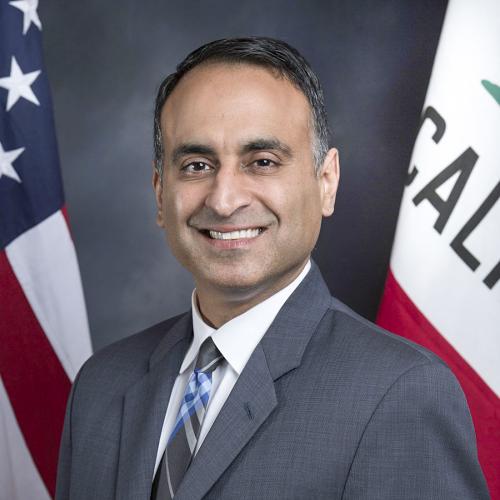
Ash Kalra
DDemocratic
Co

Buffy Wicks
DDemocratic
Co

Connie M. Leyva
DDemocratic
Co

Cristina Garcia
DDemocratic
Co
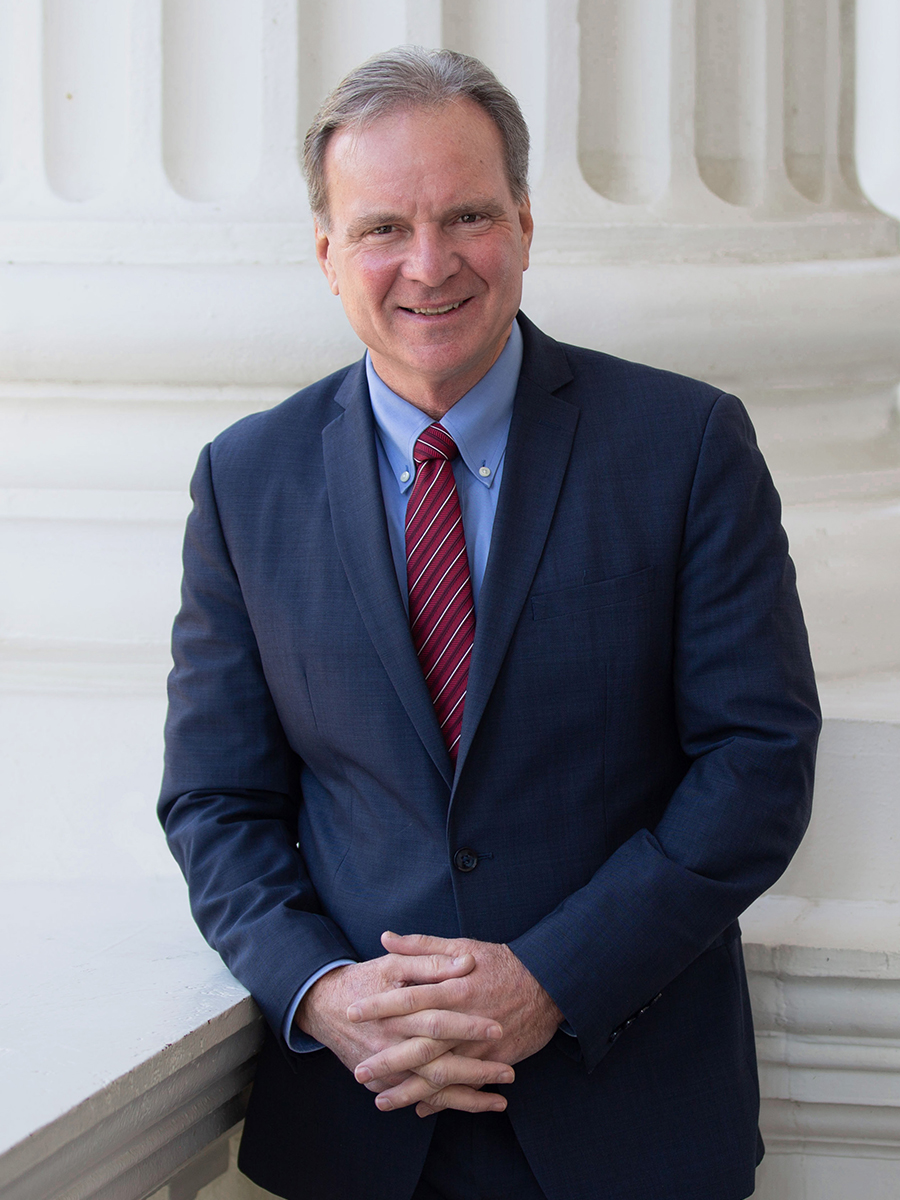
Dave Cortese
DDemocratic
Co

Evan Low
DDemocratic
Co

Luz Rivas
DDemocratic
Co
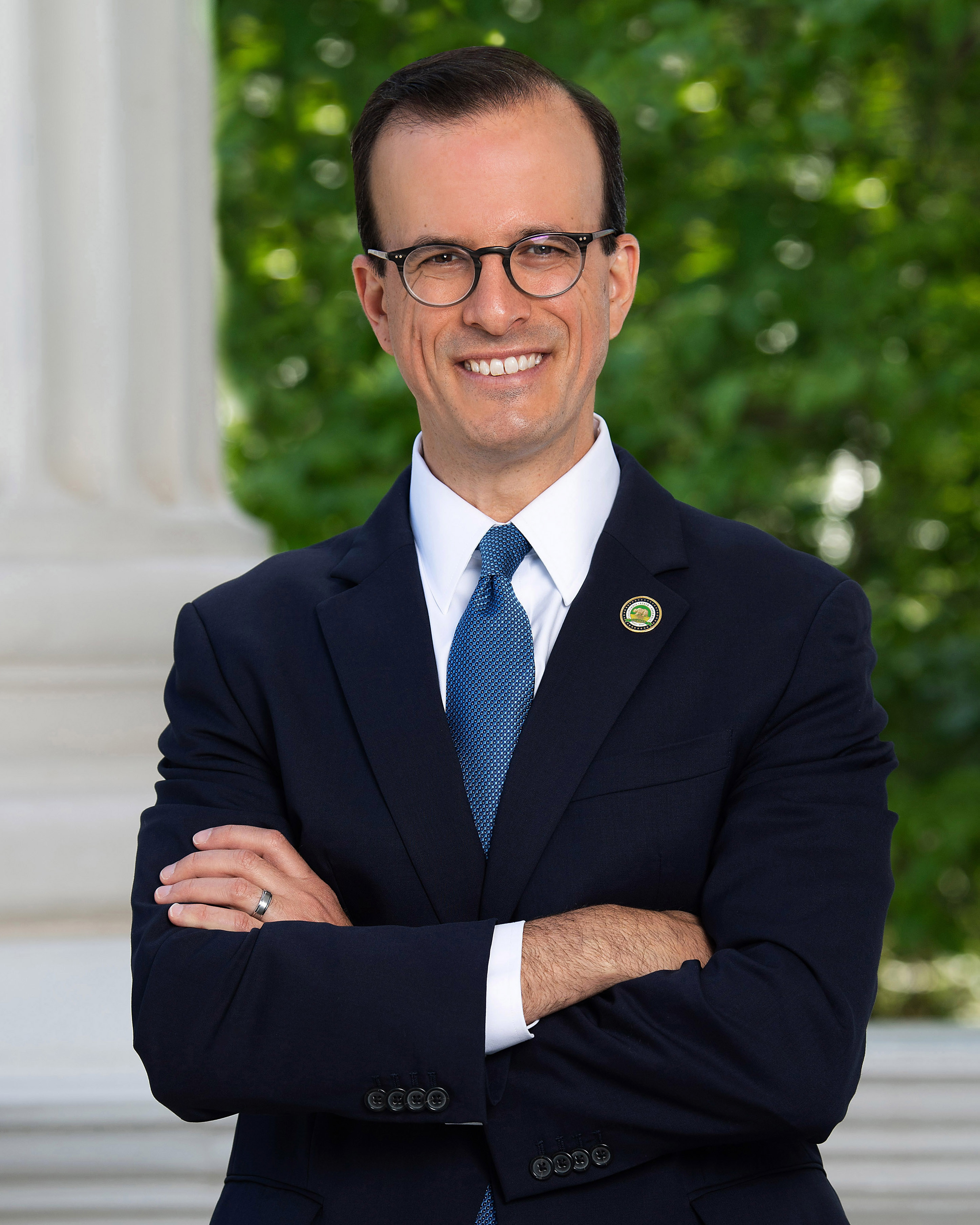
Marc Berman
DDemocratic
Co
ME
María Elena Durazo
DDemocratic
Co

Nancy Skinner
DDemocratic



Ask Maddy
·
AI policy assistant
Ask Maddy about SB 1162
Scope: CA
Hi! I can help you understand SB 1162. What would you like to know?
Try one of these
i
Maddy answers using official bill text and legislative records. Always verify before sharing.
Sources cited inline