

Foster youth: suspension and expulsion.
Summary
(1) The Charter Schools Act of 1992 provides for the establishment and operation of charter schools. Existing law requires a petition for the establishment of a charter school to contain comprehensive descriptions of various matters and procedures, including procedures by which pupils can be suspended or expelled from the charter school for disciplinary reasons or otherwise involuntarily removed for any reason. Existing law requires these procedures to contain a clear statement that no pupil shall be involuntarily removed by the charter school for any reason unless the parent or guardian of the pupil has been provided written notice of the intent to remove the pupil no less than 5 schooldays before the effective date of the action. Existing law requires the written notice to inform the pupil, the pupil's parent or guardian, or the pupil's educational rights holder of the right to initiate a hearing adjudicated by a neutral officer before the pupil may be involuntarily removed by the charter school. This bill would require the written notice to be provided to and inform the foster child's educational rights holder, attorney, and county social worker and, if applicable, the Indian child's tribal social worker and, if applicable, county social worker of the right to initiate a hearing adjudicated by a neutral officer before the foster child or, if applicable, Indian child may be involuntarily removed by the charter school. The bill would give a foster child's educational rights holder, attorney, and county social worker and an Indian child's tribal social worker and, if applicable, county social worker the same rights a parent or guardian of a child has to receive a suspension notice, expulsion notice, manifestation determination notice, involuntary transfer notice, and other documents and related information. (2) Existing law requires the governing board of each high school or unified school district that assigns pupils to continuation schools to adopt rules and regulations governing procedures for the involuntary transfer of pupils to continuation schools. Existing law requires these rules and regulations to provide that written notice be given to the pupil and the pupil's parent or guardian informing them of the opportunity to request a meeting with a designee of the district superintendent of schools before the transfer. At the meeting, existing law requires the pupil or the pupil's parent or guardian to be informed of the specific facts and reasons for the proposed transfer and to have the opportunity to inspect all documents relied upon, question any evidence and witnesses presented, and present evidence on the pupil's behalf. This bill would require those rules and regulations, for the involuntary transfer of pupils to continuation schools, to provide written notice of the opportunity to request a meeting with a designee of the district superintendent of schools before the transfer, if the pupil is a foster child, to the foster child's educational rights holder, attorney, and county social worker, and, if the pupil is an Indian child, as defined, the Indian child's tribal social worker and, if applicable, county social worker. The bill would require the foster child's educational rights holder, attorney, and county social worker and the Indian child's tribal social worker and, if applicable, county social worker to have the same rights that a parent of a pupil has at the meeting. Because the bill would impose additional duties on local educational agencies, the bill would impose a state-mandated local program. (3) Existing law requires each local educational agency, as defined, to designate a staff person as the educational liaison for foster children, as defined. If the education liaison is designated by the superintendent of the local educational agency, existing law requires the educational liaison to notify a foster child's attorney and the appropriate representative of the county child welfare agency of pending expulsion proceedings if the decision to recommend expulsion is a discretionary act, and pending proceedings to extend a suspension until an expulsion decision is rendered if the decision to recommend expulsion is a discretionary act. This bill would instead require the foster child's educational rights holder, attorney, and county social worker and an Indian child's, as defined, tribal social worker and, if applicable, county social worker to have the same rights a parent or guardian of a child has to receive a suspension notice, expulsion notice, manifestation determination notice, involuntary transfer notice, and other documents and related information. Because the bill would impose additional duties on local educational agencies, the bill would impose a state-mandated local program. (4) Existing law authorizes the principal of the school, the principal's designee, or the district superintendent of schools to suspend a pupil from the school for any of specified reasons for no more than 5 consecutive schooldays. Existing law requires the suspension to be preceded by an informal conference, as specified. If a pupil is suspended without a conference before suspension, existing law requires the parent and the pupil to be notified of the pupil's right to a conference and the pupil's right to return to school for the purpose of a conference. Existing law requires, at the time of suspension, a school employee to make a reasonable effort to notify the pupil's parent or guardian in person or by telephone of the suspension. In a case where expulsion from a school or suspension for the balance of the semester from a continuation school is being processed by the governing board of school district, existing law requires, if the pupil is a foster child, the district superintendent of schools or the district superintendent's designee to invite the pupil's attorney and an appropriate representative of the county child welfare agency to participate in the meeting, as provided. This bill would require, if a foster child or Indian child, as defined, is suspended without a conference before suspension, the foster child's educational rights holder, attorney, and county social worker, or, if applicable, the Indian child's tribal social worker and, if applicable, county social worker to be notified of the child's right to a conference and the child's right to return to school for the purpose of the conference. The bill would require, at the time of suspension of a foster child or Indian child, a school employee to make a reasonable effort to contact the foster child's educational rights holder, attorney, and county social worker, or, if applicable, the Indian child's tribal social worker and, if applicable, county social worker. The bill would authorize notification at the time of a suspension to a parent, guardian, foster child's educational rights holder, attorney, and county social worker, and Indian child's tribal social worker and, if applicable, county social worker to occur by email. The bill would require the district superintendent of schools or the district superintendent's designee to invite the foster child's county social worker, instead of an appropriate representative of the county child welfare agency, or, if applicable, the Indian child's tribal social worker and, if applicable, county social worker to participate in the meeting on a foster child's or, if applicable, an Indian child's expulsion from a school or suspension for the balance of the semester from a continuation school. Because the bill would impose additional duties on local educational agencies, the bill would impose a state-mandated local program. (5) Existing law requires at the time a pupil is assigned to a supervised suspension classroom, a school employee to notify, in person or by telephone, the pupil's parent or guardian, as specified. This bill would require, if the pupil assigned to a supervised suspension classroom is a foster child or Indian child, as defined, a school employee to notify the foster child's educational rights holder, attorney, and county social worker or the Indian child's tribal social worker and, if applicable, county social worker. The bill would authorize notification of assignment to a supervised suspension classroom to a parent, guardian, foster child's educational rights holder, foster child's attorney, foster child's county social worker, and an Indian child's tribal social worker and, if applicable, county social worker to occur by email. Because the bill would impose additional duties on local educational agencies, the bill would impose a state-mandated local program. (6) If an individual with exceptional needs is a foster child and the local educational agency has proposed a change of placement due to an act for which a decision to recommend expulsion is at the discretion of the principal or the district superintendent of schools, existing law requires the attorney for the individual with exceptional needs and an appropriate representative of the county child welfare agency to be invited to participate in the individualized education program team meeting that makes a manifestation determination on expulsion pursuant to federal law. This bill would require the county social worker for the individual with exceptional needs who is a foster child, instead of an appropriate representative of the county child welfare agency, to be invited to participate in the individualized education program team meeting that makes a manifestation determination. The bill would require the local educational agency to invite the educational rights holder, attorney, and county social worker for the pupil if the local educational agency has proposed a change of placement due to an act for which a decision to recommend expulsion is mandatory. The bill would require the tribal social worker and, if applicable, county social worker for an individual with exceptional needs who is an Indian child, as defined, to participate in the individualized education program team meeting that makes a manifestation determination. The bill would require the local educational agency to invite the tribal social worker and, if applicable, county social worker for the Indian child if the local educational agency has proposed a change of placement due to an act for which a decision to recommend expulsion is mandatory. Because the bill would impose additional duties on local educational agencies, the bill would impose a state-mandated local program. (7) If the decision to recommend expulsion is a discretionary act and the pupil is a foster child, existing law requires the governing board of the school district to provide notice of the expulsion hearing to the pupil's attorney and an appropriate representative of the county child welfare agency at least 10 calendar days before the date of the hearing. This bill would require the governing board of the school district to provide that notice to the pupil's county social worker, instead of an appropriate representative of the county child welfare agency. The bill would require the governing board of the school district to provide that notice to the pupil's educational rights holder, attorney, or county social worker if a recommendation of expulsion is required. The bill would require the governing board of the school district to provide the above-described notice to the tribal social worker and, if applicable, county social worker of a pupil who is an Indian child. The bill would require the governing board of the school district to provide that notice to the Indian child's tribal social worker or, if applicable, county social worker if a recommendation of expulsion is required. Because the bill would impose additional duties on local educational agencies, the bill would impose a state-mandated local program. (8) The California Constitution requires the state to reimburse local agencies and school districts for certain costs mandated by the state. Statutory provisions establish procedures for making that reimbursement. This bill would provide that, if the Commission on State Mandates determines that the bill contains costs mandated by the state, reimbursement for those costs shall be made pursuant to the statutory provisions noted above.
Bill status
signed
all 5 stages cleared
Introduction
Feb 2021
Committee Review
Aug 2022
Assembly Passage
Jan 2022
Senate Passage
Aug 2022
Signed into Law
Sep 2022
Introduced Feb 16, 2021
Signed Sep 18, 2022
Floor votes · Senate Aug 29, 2022 · Assembly Jan 24, 2022
How they voted
37–0
Passed · 3 other
Total votes 40
Aug 29, 2022
D
Democratic31
93% Yea
R
Republican9
88% Yea
Vote distribution
All Yea
All Nay
Mixed
No data
Full legislative history
Actions timeline
Total actions
33
Key actions
12
Committee
11
Amendments
8
Sep 18, 2022
Signed into law
Approved by the Governor.
legislature
Aug 30, 2022
Lower · Passed
Senate amendments concurred in. To Engrossing and Enrolling. (Ayes 79. Noes 0.).
lower
Aug 30, 2022
Introduced
In Assembly. Concurrence in Senate amendments pending.
lower
Aug 29, 2022
Upper · Passed
Read third time. Passed. Ordered to the Assembly. (Ayes 37. Noes 0. Page 5213.).
upper
Aug 25, 2022
Upper · Passed
Read third time and amended. Ordered to third reading.
upper
Aug 18, 2022
Upper · Passed
Read third time and amended. Ordered to second reading.
upper
Aug 11, 2022
Upper · Passed
From committee: Do pass. (Ayes 7. Noes 0.) (August 11).
upper
Aug 2, 2022
Committee
In committee: Referred to suspense file.
upper
Jun 15, 2022
Upper · Passed
From committee: Do pass and re-refer to Com. on APPR with recommendation: To Consent Calendar. (Ayes 11. Noes 0.) (June 14). Re-referred to Com. on APPR.
upper
Jun 1, 2022
Upper · Passed
From committee: Do pass and re-refer to Com. on JUD. with recommendation: To Consent Calendar. (Ayes 6. Noes 0.) (June 1). Re-referred to Com. on JUD.
upper
May 17, 2022
Introduced
From committee chair, with author's amendments: Amend, and re-refer to committee. Read second time, amended, and re-referred to Com. on ED.
upper
May 5, 2022
Committee
Action rescinded whereby the bill was referred to Com. on HUM. S.
lower
May 4, 2022
Committee
Referred to Coms. on ED., JUD. and HUMAN S.
upper
Jan 24, 2022
Lower · Passed
Read third time. Passed. Ordered to the Senate. (Ayes 65. Noes 0. Page 3371.)
lower
Jan 20, 2022
Lower · Passed
From committee: Do pass. (Ayes 15. Noes 0.) (January 20).
lower
Jan 14, 2022
Committee
Re-referred to Com. on APPR.
lower
Jan 13, 2022
Lower · Passed
Read second time and amended.
lower
Jan 12, 2022
Introduced
From committee: Amend, and do pass as amended and re-refer to Com. on APPR. with recommendation: To Consent Calendar. (Ayes 6. Noes 0.) (January 12).
lower
Apr 12, 2021
Committee
Re-referred to Com. on ED.
lower
Apr 8, 2021
Introduced
From committee chair, with author's amendments: Amend, and re-refer to Com. on ED. Read second time and amended.
lower
Feb 25, 2021
Committee
Referred to Com. on ED.
lower
Feb 17, 2021
Lower · Passed
From printer. May be heard in committee March 19.
lower
1 primary · 3 co-sponsors
Sponsors
Role
Legislator
Party
State
District
P

Kevin McCarty
DDemocratic
Co
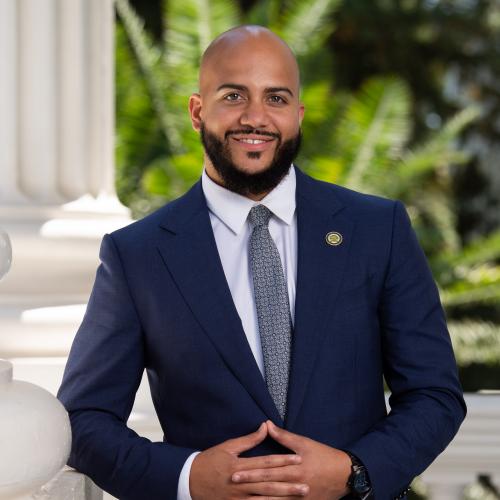
Isaac Bryan
DDemocratic
Co
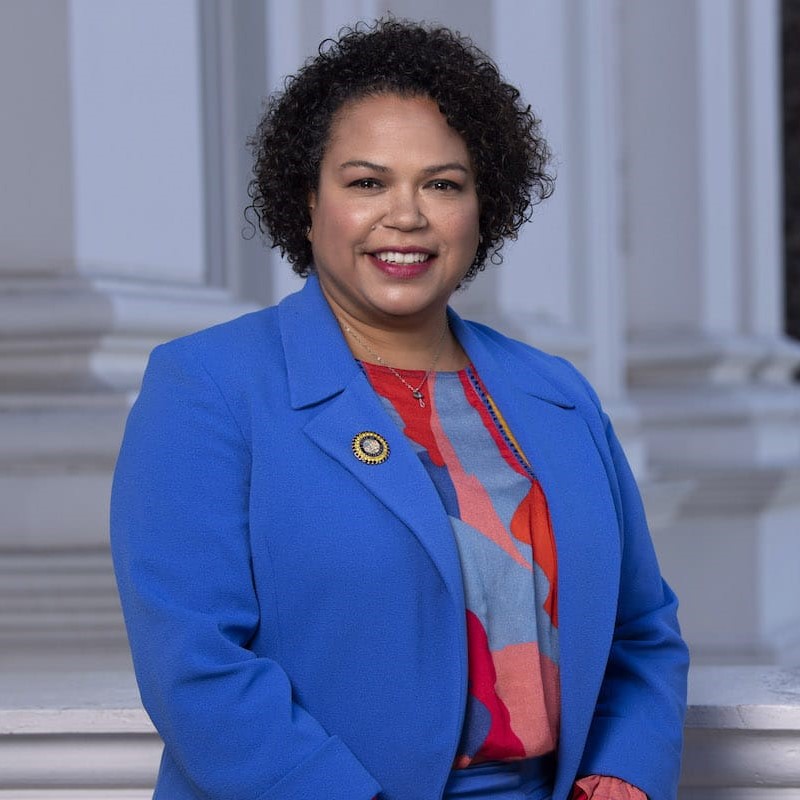
Mia Bonta
DDemocratic
Co
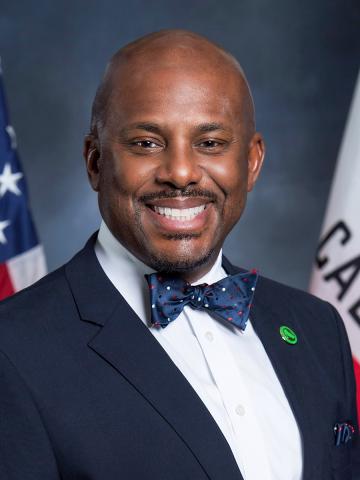
Mike Gipson
DDemocratic
Ask Maddy
·
AI policy assistant
Ask Maddy about AB 740
Scope: CA
Hi! I can help you understand AB 740. What would you like to know?
Try one of these
i
Maddy answers using official bill text and legislative records. Always verify before sharing.
Sources cited inline