

Responsible Battery Recycling Act of 2022.
Summary
The Rechargeable Battery Recycling Act of 2006 requires every retailer, as defined, to have in place a system for the acceptance and collection of used rechargeable batteries for reuse, recycling, or proper disposal. The Cell Phone Recycling Act of 2004 prohibits the sale of a cell phone in this state to a consumer unless the retailer of that cell phone has in place a take-back system for the acceptance and collection of used cell phones for reuse, recycling, or proper disposal. This bill would make the Rechargeable Battery Recycling Act of 2006 inoperative as of September 30, 2026, and would repeal that act as of January 1, 2027, and would make the Cell Phone Recycling Act of 2004 inoperative as of September 30, 2027, and would repeal that act as of January 1, 2028. This bill would enact the Responsible Battery Recycling Act of 2022, which would require producers, as defined, either individually or through the creation of one or more stewardship organizations, to establish a stewardship program for the collection and recycling of covered batteries, as defined. The bill would require a program operator, as defined, to develop, and to submit to the Department of Resources Recycling and Recovery (department) and the Department of Toxic Substances Control for review and for approval by the department, as specified, a stewardship plan and would prescribe the standards and elements required to be contained in a stewardship plan for covered batteries. The bill would require the department, in consultation with the Department of Toxic Substances Control, to adopt regulations to implement the act with an effective date of no earlier than April 1, 2025. The bill would require a program operator to have a complete stewardship plan approved by the department no later than 24 months after the effective date of the regulations adopted by the department in order for the program operator to be in compliance with the act. This bill would require a program operator to be audited annually, and submit a report and budget to the department, as prescribed, and would require a program operator, stewardship organization, producer, manufacturer, distributor, retailer, importer, recycler, or collection site to, among other things, provide the department and the Department of Toxic Substances Control with relevant records necessary to determine compliance with the act. The bill would require reports and records provided to the department to be provided under penalty of perjury, thereby creating a state-mandated local program by expanding the crime of perjury. The bill would restrict public access to certain information collected for the purpose of administering a stewardship program. The bill would preempt all rules, regulations, codes, ordinances, or other laws adopted by a city, county, city and county, municipality, or a local agency on or after January 1, 2023, regarding stewardship programs for covered batteries. This bill would require the department, within 24 months of the effective date of the regulations to implement these provisions, and each year thereafter, to post on its internet website a list of producers that are in compliance with the act, including the reported brands of covered batteries of each producer. The bill would require the department to remove from the list any producer, including its brands and covered batteries, that is not in compliance with the act. The bill would prohibit, on and after the date that a stewardship plan is approved by the department, a retailer or distributor from selling, distributing, offering for sale, or importing a covered battery in or into the state unless the producer of the covered battery is listed on that list as in compliance on the act, except as specified. The bill would require the department to relist on its internet website a producer, along with its brands and covered batteries, if the department subsequently determines that the producer is in compliance with the act. This bill would require a program operator to reimburse the department and the Department of Toxic Substances Control for their respective actual and reasonable regulatory costs that are directly related to implementing and enforcing the act in relation to the program operator's activities. The bill would require the department and the Department of Toxic Substances Control to deposit those moneys into the Covered Battery Recycling Fund, which the bill would establish, and would authorize the department and the Department of Toxic Substances Control to expend those moneys, upon appropriation by the Legislature, to implement and enforce the act. This bill would provide for enforcement of the act, including authorizing the department to impose an administrative civil penalty on a program operator, stewardship organization, producer, manufacturer, distributor, retailer, importer, recycler, or collection site in violation of the act not to exceed $10,000 per day, unless the violation is intentional, knowing, or reckless, then in that case not to exceed $50,000 per day. The bill would require the department to deposit those moneys into the Covered Battery Recycling Penalty Account, which the bill would establish in the fund, and would make those moneys available for expenditure upon appropriation by the Legislature. The bill would include findings that changes proposed by this bill address a matter of statewide concern rather than a municipal affair and, therefore, apply to all cities, including charter cities. Existing constitutional provisions require that a statute that limits the right of access to the meetings of public bodies or the writings of public officials and agencies be adopted with findings demonstrating the interest protected by the limitation and the need for protecting that interest. This bill would make legislative findings to that effect. The California Constitution requires the state to reimburse local agencies and school districts for certain costs mandated by the state. Statutory provisions establish procedures for making that reimbursement. This bill would provide that no reimbursement is required by this act for a specified reason.
Bill status
signed
all 5 stages cleared
Introduction
Feb 2022
Committee Review
Aug 2022
Assembly Passage
May 2022
Senate Passage
Aug 2022
Signed into Law
Sep 2022
Introduced Feb 17, 2022
Signed Sep 16, 2022
Floor votes · Senate Aug 29, 2022 · Assembly May 23, 2022
How they voted
29–8
Passed
Total votes 37
Aug 29, 2022
D
Democratic29
100% Yea
R
Republican8
100% Nay
Vote distribution
All Yea
All Nay
Mixed
No data
Full legislative history
Actions timeline
Total actions
33
Key actions
13
Committee
12
Amendments
11
Sep 16, 2022
Signed into law
Approved by the Governor.
legislature
Aug 31, 2022
Lower · Passed
Senate amendments concurred in. To Engrossing and Enrolling. (Ayes 63. Noes 10.).
lower
Aug 30, 2022
Lower · Passed
Measure version as amended on August 25 corrected.
lower
Aug 29, 2022
Introduced
In Assembly. Concurrence in Senate amendments pending.
lower
Aug 29, 2022
Upper · Passed
Read third time. Passed. Ordered to the Assembly. (Ayes 31. Noes 9. Page 5212.).
upper
Aug 25, 2022
Upper · Passed
Read third time and amended. Ordered to third reading.
upper
Aug 11, 2022
Upper · Passed
Read second time and amended. Ordered returned to second reading.
upper
Aug 11, 2022
Introduced
From committee: Amend, and do pass as amended. (Ayes 5. Noes 2.) (August 11).
upper
Aug 2, 2022
Committee
In committee: Referred to suspense file.
upper
Jun 29, 2022
Upper · Passed
From committee: Do pass and re-refer to Com. on APPR. (Ayes 9. Noes 1.) (June 28). Re-referred to Com. on APPR.
upper
Jun 27, 2022
Committee
Re-referred to Com. on JUD.
upper
Jun 22, 2022
Upper · Passed
From committee: Do pass and re-refer to Com. on APPR. (Ayes 5. Noes 2.) (June 22). Re-referred to Com. on APPR.
upper
Jun 8, 2022
Introduced
From committee chair, with author's amendments: Amend, and re-refer to committee. Read second time, amended, and re-referred to Com. on E.Q.
upper
Jun 6, 2022
Introduced
From committee chair, with author's amendments: Amend, and re-refer to committee. Read second time, amended, and re-referred to Com. on E.Q.
upper
Jun 1, 2022
Committee
Referred to Coms. on E.Q. and JUD.
upper
May 23, 2022
Lower · Passed
Read third time. Passed. Ordered to the Senate. (Ayes 58. Noes 7. Page 4850.)
lower
May 19, 2022
Lower · Passed
From committee: Do pass. (Ayes 12. Noes 4.) (May 19).
lower
May 11, 2022
Committee
In committee: Set, first hearing. Referred to suspense file.
lower
Apr 28, 2022
Committee
Re-referred to Com. on APPR.
lower
Apr 27, 2022
Lower · Passed
Read second time and amended.
lower
Apr 26, 2022
Introduced
From committee: Amend, and do pass as amended and re-refer to Com. on APPR. (Ayes 9. Noes 0.) (April 25).
lower
Apr 6, 2022
Lower · Passed
From committee: Do pass and re-refer to Com. on NAT. RES. (Ayes 7. Noes 1.) (April 5). Re-referred to Com. on NAT. RES.
lower
Mar 29, 2022
Committee
Re-referred to Com. on E.S. & T.M.
lower
Mar 28, 2022
Introduced
From committee chair, with author's amendments: Amend, and re-refer to Com. on E.S. & T.M. Read second time and amended.
lower
Mar 3, 2022
Committee
Referred to Coms. on E.S. & T.M. and NAT. RES.
lower
Feb 18, 2022
Lower · Passed
From printer. May be heard in committee March 20.
lower
1 primary · 12 co-sponsors
Sponsors
Role
Legislator
Party
State
District
P
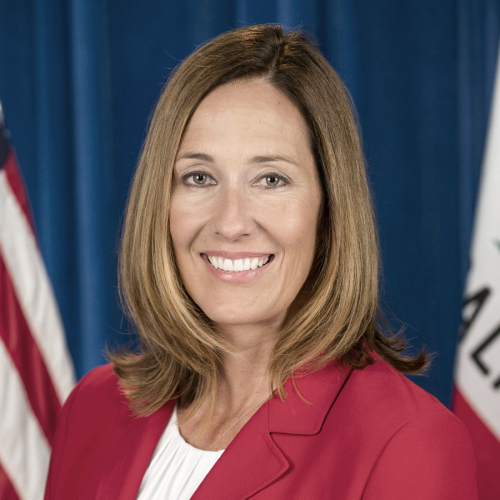
Jacqui Irwin
DDemocratic
Co

Alex Lee
DDemocratic
Co
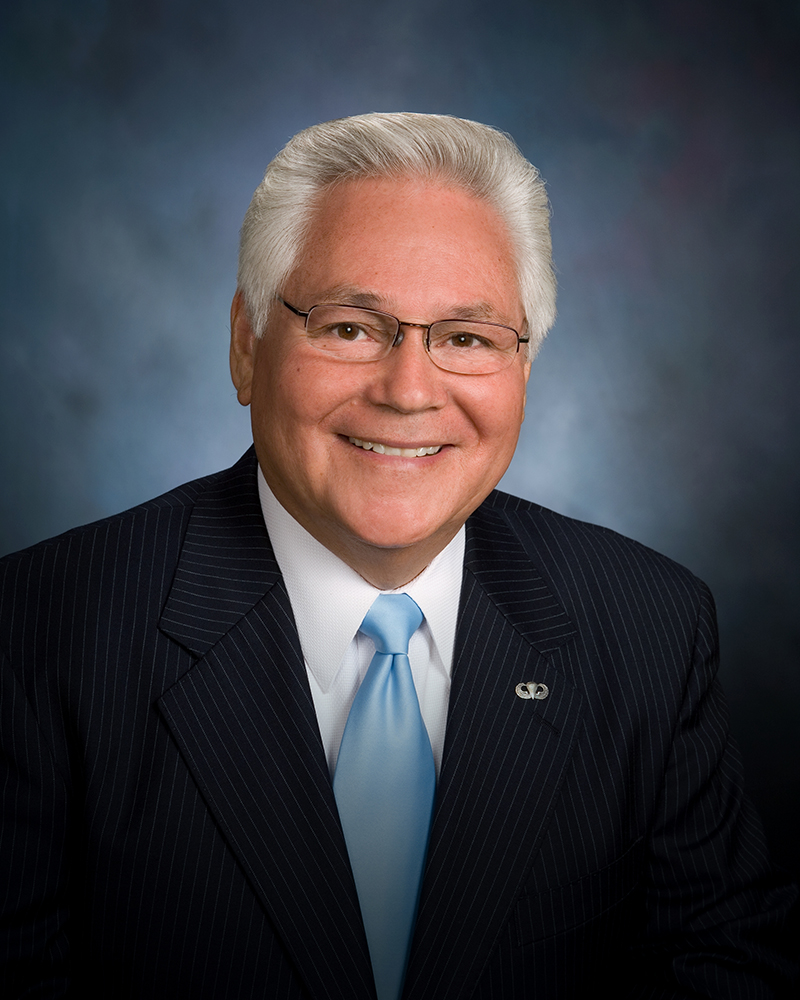
Bob Archuleta
DDemocratic
Co

Bob Wieckowski
DDemocratic
Co

Buffy Wicks
DDemocratic
Co
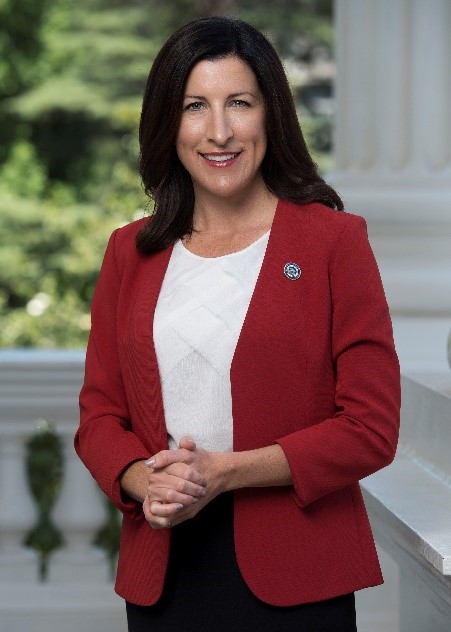
Cottie Petrie-Norris
DDemocratic
Co

Josh Becker
DDemocratic
Co

Josh Newman
DDemocratic
Co

Kevin Mullin
DDemocratic
Co

Mark Stone
DDemocratic
Co

Phil Ting
DDemocratic


Ask Maddy
·
AI policy assistant
Ask Maddy about AB 2440
Scope: CA
Hi! I can help you understand AB 2440. What would you like to know?
Try one of these
i
Maddy answers using official bill text and legislative records. Always verify before sharing.
Sources cited inline