

In-home supportive services: needs assessment.
Summary
Existing law establishes the In-Home Supportive Services (IHSS) program, administered by the State Department of Social Services and counties, under which qualified aged, blind, and disabled persons are provided with services in order to permit them to remain in their own homes. Existing law requires a county welfare department to assess each recipient's continuing monthly need for in-home supportive services at varying intervals as necessary, but at least once every 12 months. Existing law authorizes the county to extend an assessment for up to 6 months beyond the regular 12-month period if the county documents that certain conditions exist, including that the recipient has had at least one reassessment since the initial program intake assessment and there has not been a known change in the recipient's supportive service needs within the previous 24 months. This bill would eliminate the authority of the county to extend the annual assessment beyond 12 months and, instead, would require the department to establish an alternative annual reassessment process for recipients with stable needs. The bill would define "a recipient with stable needs" as a recipient who is 18 years of age or older, who has at least one active provider, and who had at least one initial in-person assessment and one in-person reassessment, and the most recent reassessment did not indicate an assessed need that changed more than 25% from the prior assessment. The bill would allow the alterative annual reassessment to be conducted by telephone, by video, or in-person, at the choice of the recipient, unless certain factors exist that trigger an in-person reassessment, as specified. Under the bill a recipient who is qualified to receive the alternative annual reassessment would be allowed to receive the alternative annual reassessment for 2 consecutive years. This bill would require the department to provide implementation instructions and forms to counties on the alternative annual reassessment process on or before October 1, 2023, and would require counties to implement the alternative annual reassessment process beginning on January 1, 2024, or when automation to support the alternative annual reassessment process is available through the Case Management Information and Payrolling System, whichever date is later. By imposing additional duties on counties, the bill would impose a state-mandated local program. The California Constitution requires the state to reimburse local agencies and school districts for certain costs mandated by the state. Statutory provisions establish procedures for making that reimbursement. This bill would provide that, if the Commission on State Mandates determines that the bill contains costs mandated by the state, reimbursement for those costs shall be made pursuant to the statutory provisions noted above.
Bill status
in committee
1 of 4 stages cleared
Introduction
Feb 2022
Committee Review
Floor Vote
Governor
Introduced Feb 16, 2022
Last action May 19, 2022
Floor votes
How they voted
No floor votes recorded yet.
Full legislative history
Actions timeline
Total actions
6
Key actions
3
Committee
5
May 19, 2022
Lower · Passed
In committee: Held under submission.
lower
Apr 6, 2022
Committee
In committee: Set, first hearing. Referred to suspense file.
lower
Mar 23, 2022
Lower · Passed
From committee: Do pass and re-refer to Com. on APPR. with recommendation: To Consent Calendar. (Ayes 8. Noes 0.) (March 22). Re-referred to Com. on APPR.
lower
Mar 3, 2022
Committee
Referred to Com. on HUM. S.
lower
Feb 17, 2022
Lower · Passed
From printer. May be heard in committee March 19.
lower
1 primary · 0 co-sponsors
Sponsors
Role
Legislator
Party
State
District
P
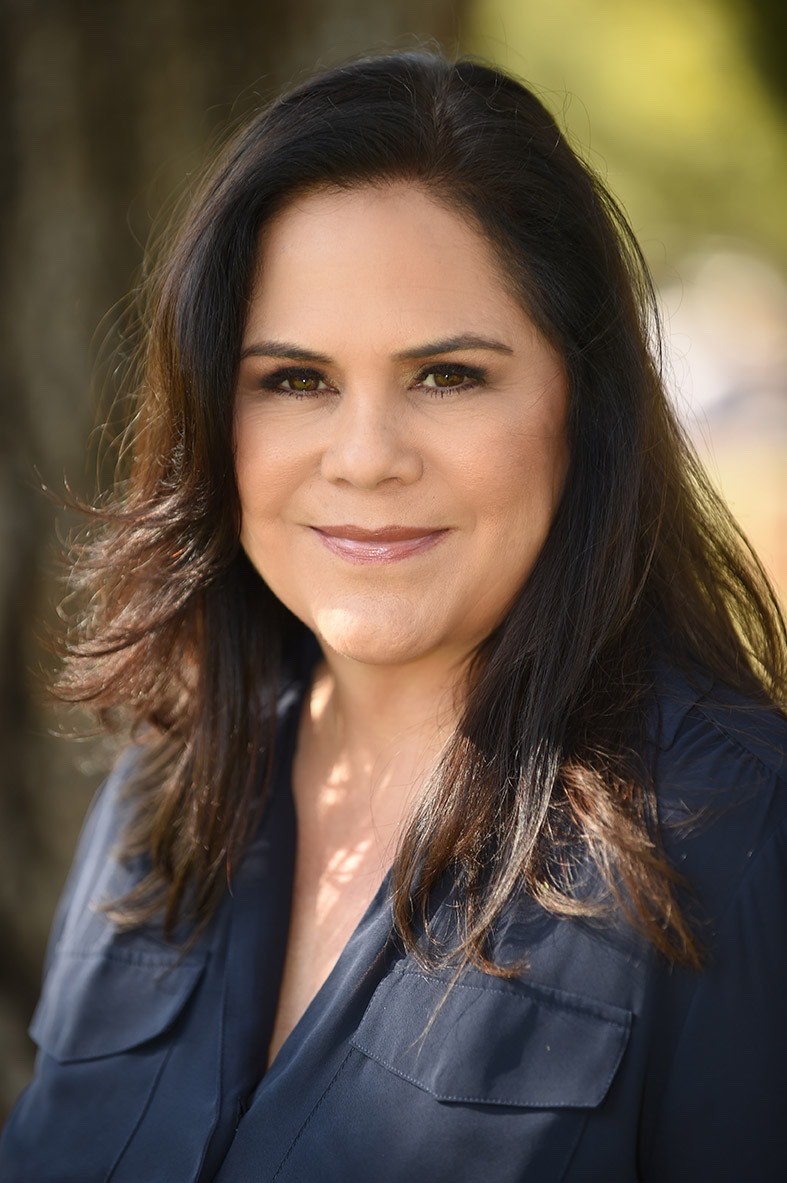
Lisa Calderon
DDemocratic
Ask Maddy
·
AI policy assistant
Ask Maddy about AB 2262
Scope: CA
Hi! I can help you understand AB 2262. What would you like to know?
Try one of these
i
Maddy answers using official bill text and legislative records. Always verify before sharing.
Sources cited inline