

California Environmental Quality Act: water conveyance or storage projects: judicial review.
Summary
The California Environmental Quality Act (CEQA) requires a lead agency, as defined, to prepare, or cause to be prepared, and certify the completion of an environmental impact report (EIR) on a project that the lead agency proposes to carry out or approve that may have a significant effect on the environment or to adopt a negative declaration if it finds that the project will not have that effect. CEQA also requires a lead agency to prepare a mitigated negative declaration for a project that may have a significant effect on the environment if revisions in the project would avoid or mitigate that effect and there is no substantial evidence that the project, as revised, would have a significant effect on the environment. CEQA establishes a procedure by which a person may seek judicial review of the decision of the lead agency made pursuant to CEQA. This bill would require the Judicial Council to adopt rules of court applicable to actions or proceedings brought to attack, review, set aside, void, or annul the certification or adoption of an environmental impact report for water conveyance or storage projects, as defined, or the granting of project approvals, including any appeals to the court of appeal or the Supreme Court, to be resolved, to the extent feasible, within 270 days of the filing of the certified record of proceedings with the court to an action or proceeding seeking judicial review of the lead agency's action related to those projects. The bill would require the lead agency to prepare the record of proceedings for a water conveyance or storage project, as provided, and to include a specified notice in the draft EIR and final EIR for the water conveyance or storage project. By imposing additional duties on lead agencies, the bill would impose a state-mandated local program. The California Constitution requires the state to reimburse local agencies and school districts for certain costs mandated by the state. Statutory provisions establish procedures for making that reimbursement. This bill would provide that no reimbursement is required by this act for a specified reason.
Bill status
in committee
1 of 4 stages cleared
Introduction
Feb 2022
Committee Review
Floor Vote
Governor
Introduced Feb 3, 2022
Last action Feb 10, 2022
Floor votes
How they voted
No floor votes recorded yet.
Full legislative history
Actions timeline
Total actions
3
Key actions
1
Committee
2
Feb 10, 2022
Committee
Referred to Coms. on NAT. RES. and JUD.
lower
Feb 4, 2022
Lower · Passed
From printer. May be heard in committee March 6.
lower
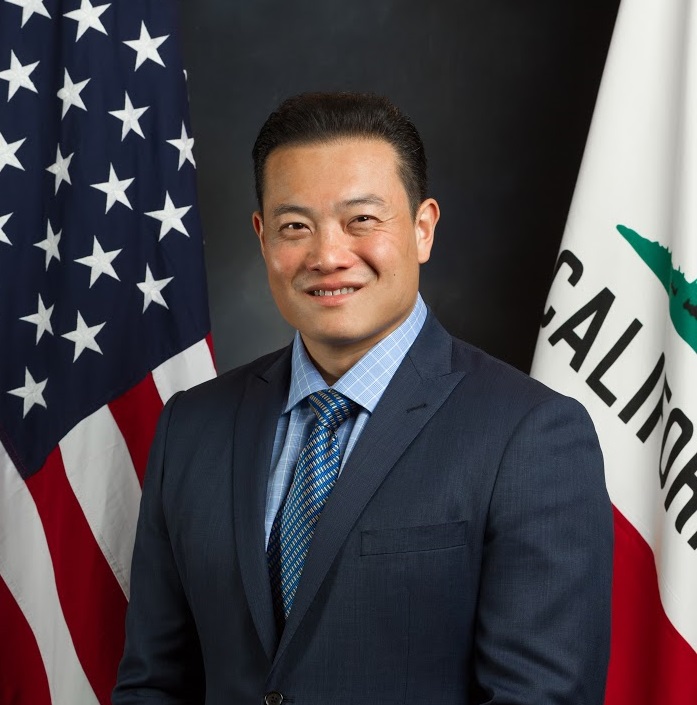
1 primary · 5 co-sponsors
Sponsors





Ask Maddy
·
AI policy assistant
Ask Maddy about AB 1774
Scope: CA
Hi! I can help you understand AB 1774. What would you like to know?
Try one of these
i
Maddy answers using official bill text and legislative records. Always verify before sharing.
Sources cited inline