

Vehicles: driving under the influence.
Summary
Under existing law, if a person is convicted of driving under the influence and the offense occurred within 10 years after 3 or more other violations for driving under the influence that resulted in specified convictions, that person has committed an offense punishable as either a misdemeanor or a felony, and the person shall have their privilege to drive revoked. This bill would additionally make a conviction for driving under the influence that occurs within 10 years after 4 or more previous specified convictions, a felony. Under existing law, if a person is convicted of driving under the influence and the offense occurred within 10 years after a specified conviction of driving under the influence that is charged as a felony, that person has committed an offense punishable as either a misdemeanor or a felony. This bill would instead make such a conviction punishable only as a felony. Existing law requires a court, upon convicting a person for a specified offense of driving under the influence that occurred within 5 years after a previous conviction or convictions, as specified, to order that person's vehicle to be impounded for a specified period of time. This bill would instead require this impoundment of the defendant's vehicle for a specified offense that occurs within 10 years after a previous conviction or convictions. The bill would also increase the duration of the vehicle impoundment. Existing law authorizes a court, after certain repeated convictions relating to driving under the influence, to declare the person's vehicle a nuisance and have it seized, as specified. This bill would instead require the court, after certain repeated convictions relating to driving under the influence, to declare the person's vehicle a nuisance and have it seized, as specified. The bill would also expand the circumstances under which seizure as a nuisance would be required. By expanding the application of, and increasing the punishment for, certain crimes, this bill would create a state-mandated local program. The California Constitution requires the state to reimburse local agencies and school districts for certain costs mandated by the state. Statutory provisions establish procedures for making that reimbursement. This bill would provide that no reimbursement is required by this act for a specified reason.
Bill status
failed
1 of 4 stages cleared
Introduction
Feb 2019
Committee Review
Floor Vote
Governor
Introduced Feb 6, 2019
Last action Jan 22, 2020
Floor votes
How they voted
No floor votes recorded yet.
Full legislative history
Actions timeline
Total actions
9
Key actions
3
Committee
5
Jan 22, 2020
Lower · Passed
From committee: Without further action pursuant to Joint Rule 62(a).
lower
Mar 19, 2019
Lower · Passed
In committee: Reconsideration granted.
lower
Mar 5, 2019
Committee
Re-referred to Com. on PUB. S.
lower
Feb 15, 2019
Committee
Referred to Com. on PUB. S.
lower
Feb 7, 2019
Lower · Passed
From printer. May be heard in committee March 9.
lower
1 primary · 0 co-sponsors
Sponsors
Role
Legislator
Party
State
District
P
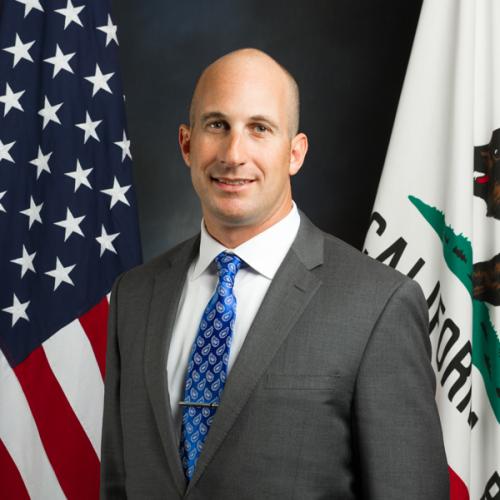
Heath Flora
RRepublican
Ask Maddy
·
AI policy assistant
Ask Maddy about AB 401
Scope: CA
Hi! I can help you understand AB 401. What would you like to know?
Try one of these
i
Maddy answers using official bill text and legislative records. Always verify before sharing.
Sources cited inline