

Sales and use tax: medicinal cannabis.
Summary
The Compassionate Use Act of 1996, an initiative measure enacted by the approval of Proposition 215 at the November 5, 1996, statewide general election, prohibits specified criminal penalties from being imposed on a patient or a patient's primary caregiver who possesses or cultivates cannabis for the personal medical purposes of the patient upon the written or oral recommendation or approval of a physician. Existing state sales and use tax laws impose a tax on retailers measured by the gross receipts from the sale of tangible personal property sold at retail in this state or on the storage, use, or other consumption in this state of tangible personal property purchased from a retailer for storage, use, or other consumption in this state. The Sales and Use Tax Law provides various exemptions from those taxes. The Control, Regulate and Tax Adult Use of Marijuana Act, an initiative measure approved as Proposition 64 at the November 8, 2016, statewide general election, among other things, provides an exemption from those taxes for retail sales of certain medicinal cannabis and medical cannabis products when a qualified patient or primary caregiver for a qualified patient provides a specified medicinal cannabis identification card and a valid state government-issued identification card. This bill, on or after January 1, 2021, would provide an exemption from those taxes for the sale of, or the storage, use, or other consumption in this state of, medicinal cannabis or medicinal cannabis product purchased by a qualified patient or a primary caregiver of a qualified patient if that qualified patient or primary caregiver provides a valid physician's recommendation and a valid state government-issued identification card for that qualified patient. The Bradley-Burns Uniform Local Sales and Use Tax Law authorizes counties and cities to impose local sales and use taxes in conformity with the Sales and Use Tax Law, and existing laws authorize districts, as specified, to impose transactions and use taxes in accordance with the Transactions and Use Tax Law, which generally conforms to the Sales and Use Tax Law. Amendments to the Sales and Use Tax Law are automatically incorporated into the local tax laws. Existing law requires the state to reimburse counties and cities for revenue losses caused by the enactment of sales and use tax exemptions. This bill would provide that, notwithstanding Section 2230 of the Revenue and Taxation Code, no appropriation is made and the state shall not reimburse any local agencies for sales and use tax revenues lost by them pursuant to this bill. Existing law requires a bill that would authorize a new tax expenditure under the Sales and Use Tax Law to identify specific goals, purposes, and objectives that the tax expenditure will achieve, and detailed performance indicators and data collection requirements for determining whether the tax expenditure achieves these goals, purposes, and objectives. This bill would state the intent of the Legislature to enact legislation that will comply with those new tax expenditure requirements. This bill would take effect immediately as a tax levy.
Bill status
in committee
1 of 4 stages cleared
Introduction
Feb 2020
Committee Review
Floor Vote
Governor
Introduced Feb 21, 2020
Last action Mar 9, 2020
Floor votes
How they voted
No floor votes recorded yet.
Full legislative history
Actions timeline
Total actions
4
Key actions
0
Committee
2
Mar 9, 2020
Assembly · Referred to committee
Referred to Com. on REV. & TAX.
Feb 22, 2020
Assembly · Reported by committee
From printer. May be heard in committee March 23.
Feb 21, 2020
Assembly · Introduced
Introduced. To print.
1 primary · 0 co-sponsors
Sponsors
Role
Legislator
Party
State
District
P
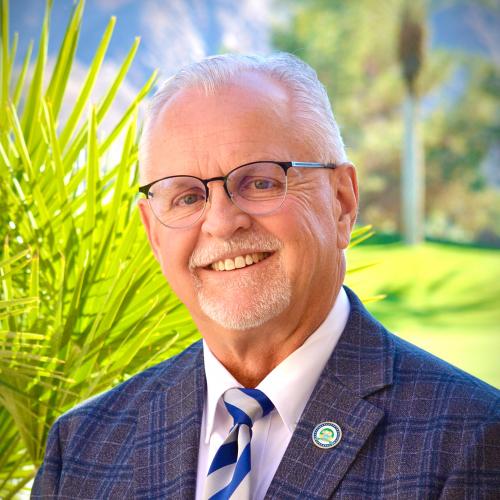
Tom Lackey
RRepublican
Ask Maddy
·
AI policy assistant
Ask Maddy about AB 3124
Scope: CA
Hi! I can help you understand AB 3124. What would you like to know?
Try one of these
i
Maddy answers using official bill text and legislative records. Always verify before sharing.
Sources cited inline