

Communications: universal service programs: Public Utilities Commission reimbursement fees.
Summary
Under existing law, the Public Utilities Commission has regulatory authority over public utilities, including telephone corporations. Existing law establishes the California High-Cost Fund-A Administrative Committee Fund, the California High-Cost Fund-B Administrative Committee Fund, the Universal Lifeline Telephone Service Trust Administrative Committee Fund, the Deaf and Disabled Telecommunications Program Administrative Committee Fund, the Payphone Service Providers Committee Fund, the California Teleconnect Fund Administrative Committee Fund, and the California Advanced Services Fund (CASF) in the State Treasury and provides that moneys in the funds are held in trust and may be expended only to accomplish specified telecommunications universal service programs, upon appropriation in the annual Budget Act or upon supplemental appropriation. This bill would prohibit the commission from collecting, for deposit into any universal service fund, any revenues derived from charges upon the provision of a communications service that the Federal Communications Commission has determined is an information service, as specified. Existing law establishes the Public Utilities Commission Utilities Reimbursement Account and authorizes the commission to annually determine a utility reimbursement fee to be paid by every public utility providing service directly to customers or subscribers and subject to the jurisdiction of the commission, except for a railroad corporation. The commission is required to establish the fee, with the approval of the Department of Finance, to produce a total amount equal to that amount established in the authorized commission budget for the same year, and an appropriate reserve to regulate public utilities, less specified sources of funding. This bill would prohibit the commission from imposing a utility reimbursement fee that is applicable to the provision of a communications service that the Federal Communications Commission has determined is an information service, as specified.
Bill status
failed
2 of 4 stages cleared
Introduction
Jan 2019
Committee Review
May 2019
Assembly Failed
Jan 2020
Governor
Introduced Jan 7, 2019
Last action Jan 27, 2020
Floor votes · Assembly Jan 27, 2020
How they voted
30–10
Failed · 33 other
Total votes 73
Jan 27, 2020
D
Democratic55
23% Yea
I
Independent1
0% Nay
R
Republican17
100% Yea
Vote distribution
All Yea
All Nay
Mixed
No data
Full legislative history
Actions timeline
Total actions
11
Key actions
2
Committee
3
Jan 27, 2020
Vote failed
Assembly Vote: fail (30-10-33)
assembly
May 1, 2019
Lower · Passed
From committee: Do pass. (Ayes 8. Noes 0.) (May 1).
lower
Jan 24, 2019
Committee
Referred to Com. on C. & C.
lower
Jan 8, 2019
Lower · Passed
From printer. May be heard in committee February 7.
lower
1 primary · 21 co-sponsors
Sponsors
Role
Legislator
Party
State
District
P
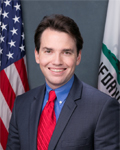
Kevin Kiley
RRepublican
Co
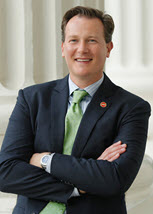
Andreas Borgeas
RRepublican
Co
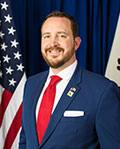
Devon Mathis
RRepublican
Co
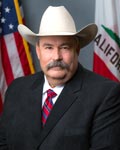
Frank Bigelow
RRepublican
Co
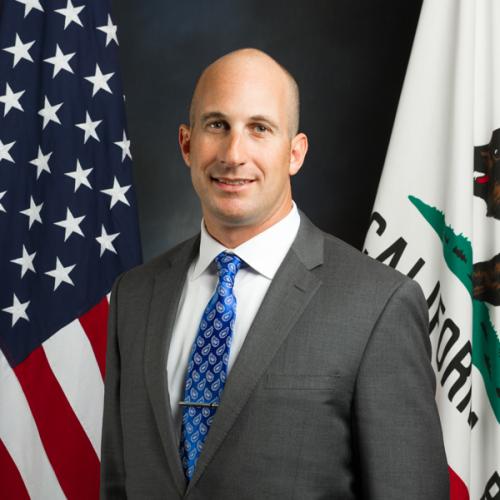
Heath Flora
RRepublican
Co

James Gallagher
RRepublican
Co
Jay Obernolte
RRepublican
Co
Jim Nielsen
RRepublican
Co
Jim Patterson
RRepublican
Co
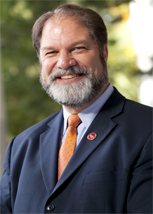
John M. W. Moorlach
RRepublican
Co
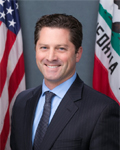
Jordan Cunningham
RRepublican


Ask Maddy
·
AI policy assistant
Ask Maddy about AB 162
Scope: CA
Hi! I can help you understand AB 162. What would you like to know?
Try one of these
i
Maddy answers using official bill text and legislative records. Always verify before sharing.
Sources cited inline