

Charitable organizations.
Summary
The Supervision of Trustees and Fundraisers for Charitable Purposes Act governs charitable corporations, unincorporated associations, trustees, commercial fundraisers, fundraising counsel, commercial coventurers, and other legal entities holding or soliciting property for charitable purposes of which the state or the Attorney General has enforcement and supervisory powers. Existing law makes a person who violates the act with intent to deceive or defraud a charity or individual liable for a specified civil penalty. Existing law prohibits certain acts and practices in the planning, conduct, or execution of any solicitation or charitable sales promotion, including misrepresenting or misleading anyone in any manner to believe that any other person sponsors, endorses, or approves a charitable solicitation or charitable sales promotion if that person has not given consent in writing to the use of that person's name, or representing that any part of the contribution will be given or donated to any other charitable organization, unless that organization has consented in writing to the use of its name before the solicitation. Existing law requires every charitable corporation, unincorporated association and trustee subject to the act to file, under oath, periodic written reports setting forth information as to the nature of assets held for charitable purposes, among other information. This bill would require a charitable organization to obtain the written consent of another charitable organization before using its name in a solicitation through means of the internet, unless the soliciting organization meets specified requirements, including conspicuously disclosing that the recipient charitable organization has not provided consent for the solicitation and has no association with the soliciting charitable organization, among other requirements. The bill would require a charitable organization soliciting pursuant to those provisions to file an annual report, under oath, that contains specified information with the Attorney General's Registry of Charitable Trusts. By expanding the crime of perjury, the bill would impose a state-mandated local program. The California Constitution requires the state to reimburse local agencies and school districts for certain costs mandated by the state. Statutory provisions establish procedures for making that reimbursement. This bill would provide that no reimbursement is required by this act for a specified reason.
Bill status
failed
1 of 4 stages cleared
Introduction
Feb 2019
Committee Review
Floor Vote
Governor
Introduced Feb 22, 2019
Last action Feb 3, 2020
Floor votes
How they voted
No floor votes recorded yet.
Full legislative history
Actions timeline
Total actions
7
Key actions
0
Committee
3
Feb 3, 2020
Assembly · Failed
From committee: Filed with the Chief Clerk pursuant to Joint Rule 56.
Jan 31, 2020
Assembly · Failed
Died pursuant to Art. IV, Sec. 10(c) of the Constitution.
Apr 2, 2019
Assembly · Reported by committee
In committee: Set, first hearing. Hearing canceled at the request of author.
Mar 14, 2019
Assembly · Referred to committee
Referred to Com. on P. & C.P.
Feb 23, 2019
Assembly · Reported by committee
From printer. May be heard in committee March 25.
Feb 22, 2019
Assembly · Introduced
Introduced. To print.
1 primary · 0 co-sponsors
Sponsors
Role
Legislator
Party
State
District
P
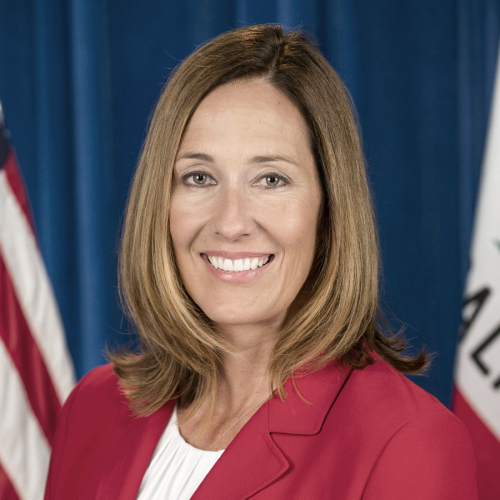
Jacqui Irwin
DDemocratic
Ask Maddy
·
AI policy assistant
Ask Maddy about AB 1539
Scope: CA
Hi! I can help you understand AB 1539. What would you like to know?
Try one of these
i
Maddy answers using official bill text and legislative records. Always verify before sharing.
Sources cited inline