

Cannabis: local jurisdictions: retail commercial cannabis activity.
Summary
The Control, Regulate and Tax Adult Use of Marijuana Act (AUMA) , an initiative measure approved as Proposition 64 at the November 8, 2016, statewide general election, authorizes a person who obtains a state license under AUMA to engage in commercial adult-use cannabis activity pursuant to that license and applicable local ordinances. The Medicinal and Adult-Use Cannabis Regulation and Safety Act (MAUCRSA) , among other things, consolidates the licensure and regulation of commercial medicinal and adult-use cannabis activities, including retail commercial cannabis activity. MAUCRSA gives the Bureau of Cannabis Control in the Department of Consumer Affairs the power, duty, purpose, responsibility, and jurisdiction to regulate commercial cannabis activity in the state as provided by the act. MAUCRSA does not supersede or limit the authority of a local jurisdiction to adopt and enforce local ordinances to regulate commercial cannabis businesses within that local jurisdiction. This bill, if more than 50% of the electorate of a local jurisdiction voted in favor of AUMA, would require a local jurisdiction to issue a minimum number of local licenses authorizing specified retail cannabis commercial activity within that jurisdiction that would be permitted by a retailer license issued under MAUCRSA. The bill would require the minimum number of those local licenses required to be issued in that jurisdiction to be16 of the number of currently active on-sale general licenses for alcoholic beverage sales in that jurisdiction, as specified, unless the minimum number would result in a ratio greater than one local license for retail cannabis commercial activity for every 15,000 residents of the local jurisdiction, in which case the bill would require the minimum number to be determined by dividing the number of residents in the local jurisdiction by 15,000 and rounding down to the nearest whole number. The bill would authorize a local jurisdiction to impose a fee on licensees to cover the regulatory costs of issuing those local licenses. The bill would exempt from these provisions a local jurisdiction that, on or after January 1, 2017, and until January 1, 2020, submitted to the electorate of the local jurisdiction a specified local ordinance or resolution relating to retail cannabis commercial activity that received a specified vote of the electorate. This bill would allow any local jurisdiction subject to the requirements of this bill that wants to establish a lower amount of these local licenses to submit an ordinance or other law, that clearly specifies the level of participation in the retail commercial cannabis market it would allow, to the electorate of that local jurisdiction at the next regularly scheduled local election following the operative date of this bill. The bill would provide that the local ordinance or other local law becomes effective if approved by more than 50% of its electorate. The bill would require the local jurisdiction to issue those licenses as otherwise required by this bill within a specified period of time if a local jurisdiction subject to the requirements of this bill does not submit a local ordinance or other local law regarding the lower amount of licenses to the electorate, or that local ordinance or other local law fails to receive more than 50% of the approval of the electorate voting on the issue. The bill would provide that these provisions are prohibited from being construed to require a local jurisdiction to authorize adult-use retail cannabis commercial activity. By imposing additional requirements on local jurisdictions the bill would impose a state-mandated local program. The California Constitution requires the state to reimburse local agencies and school districts for certain costs mandated by the state. Statutory provisions establish procedures for making that reimbursement. This bill would provide that no reimbursement is required by this act for a specified reason. AUMA authorizes the Legislature to amend its provisions with a 23 vote of both houses to further its purposes and intent. This bill would declare that its provisions further the purposes and intent of AUMA.
Bill status
died
1 of 4 stages cleared
Introduction
Feb 2019
Committee Review
Floor Vote
Governor
Introduced Feb 22, 2019
Last action Feb 3, 2020
Floor votes
How they voted
No floor votes recorded yet.
Full legislative history
Actions timeline
Total actions
18
Key actions
0
Committee
5
Amendments
4
May 16, 2019
Assembly · Amendment adopted
Read second time and amended. Ordered returned to second reading.
May 16, 2019
Assembly · Amendment adopted
From committee: Amend, and do pass as amended. (Ayes 10. Noes 7.) (May 16).
May 8, 2019
Assembly · Referred to committee
In committee: Set, first hearing. Referred to APPR. suspense file.
May 1, 2019
Assembly · Referred to committee
Re-referred to Com. on APPR.
Apr 30, 2019
Assembly · Amendment adopted
Read second time and amended.
Apr 29, 2019
Assembly · Amendment adopted
From committee: Amend, and do pass as amended and re-refer to Com. on APPR. (Ayes 12. Noes 7.) (April 23).
Apr 8, 2019
Assembly · Referred to committee
Re-referred to Com. on B. & P.
Mar 14, 2019
Assembly · Referred to committee
Referred to Com. on B. & P.
Feb 23, 2019
Assembly · Reported by committee
From printer. May be heard in committee March 25.
Feb 22, 2019
Assembly · Introduced
Introduced. To print.
1 primary · 0 co-sponsors
Sponsors
Role
Legislator
Party
State
District
P
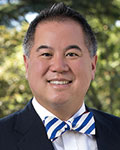
Phil Ting
DDemocratic
Ask Maddy
·
AI policy assistant
Ask Maddy about AB 1356
Scope: CA
Hi! I can help you understand AB 1356. What would you like to know?
Try one of these
i
Maddy answers using official bill text and legislative records. Always verify before sharing.
Sources cited inline