

Mortgages and deeds of trust: foreclosure.
Summary
(1) Existing law prescribes various requirements to be satisfied before the exercise of a power of sale under a mortgage or deed of trust. In this regard, existing law requires that a notice of default and a notice of sale be recorded and that specified periods of time elapse between the recordings and the sale. Certain laws enacted in 2012 and repealed on January 1, 2018, commonly referred to as the California Homeowner Bill of Rights, established a variety of requirements in connection with foreclosures on mortgages and deeds of trust, including restrictions on mortgage servicers actions while a borrower is attempting to secure a loan modification or has submitted a loan modification application. The foreclosure provisions of the act were generally limited to first lien mortgages and deeds of trust on owner-occupied residences, as specified. This bill would reenact various provisions of the California Homeowner Bill of Rights, as described above, and make other changes. With regard to first lien mortgages or deeds of trust on residential real property, as specified, the bill would prohibit an entity that forecloses on more than 175 real properties from recording a notice of default or notice of sale, or conducting a trustee's sale after a borrower submits a complete application for a first lien loan modification and that application is pending. The bill would require that the complete application be submitted at least 5 business days before a scheduled foreclosure sale. The prohibition on recording a notice of default or a notice of sale would continue until one of 3 specified events occur. The bill would grant a borrower 30 days to appeal if the loan modification is denied and authorize the borrower to provide evidence that the mortgage servicer's determination was in error. During this appeal period, the bill would prohibit filing a notice of default, or if that notice has already been filed, from recording a notice of sale or conducting a trustee's sale until the later of specified events. The bill would require a mortgage servicer to send a written notice to the borrower that identifies the reasons for denial and that includes certain information in connection with the denial. The bill would provide that a mortgage servicer satisfies specified telephone contact requirements if the borrower makes a written request to cease communications. This bill would also prohibit these entities from recording a notice of default until a mortgage servicer provides the borrower specified information in writing, 30 days have passed after contacting the borrower or after making diligent effort, as specified, to do so, and after compliance by the mortgage servicer with the requirements for completed applications for loan modification described above, as may be applicable. The bill would require that a notice of default include a specified declaration regarding contact with a borrower. The bill would make technical changes to provisions requiring a mortgage servicer to establish a single point of contact for a borrower requesting a foreclosure prevention alternative. In connection with the entities and mortgages and deeds of trust described above, among other things, the bill also would require a mortgage servicer that offers a foreclosure prevention alternative to send a written communication containing specified information regarding the alternative to a borrower within 5 days after recording a notice of default, except as specified. The bill would require a mortgage servicer to provide a borrower who submits a complete first lien loan modification application, or any document connected to that modification, written acknowledgment of receipt within 5 business days of receipt along with other information regarding the loan modification process. The bill would define "complete" for these purposes. The bill would prohibit recording a notice of default if a foreclosure prevention alternative is approved in writing before the notice is recorded and other specified conditions are met. If a foreclosure prevention alternative is approved after recording the notice, the bill would prohibit recording a notice of sale or conducting a trustee sale if specified conditions are met. The bill would require that a notice of default be rescinded or a pending trustee sale canceled when a borrower executes a permanent foreclosure alternative. The bill would prohibit a mortgage servicer from charging fees for a first lien loan modification or other foreclosure prevention alternative, as specified, and would require modifications and prevention alternatives previously approved to be honored following transfer or sale to another servicer. The bill would provide for liability to borrowers for material violations of these provisions, as specified, and would permit a court to award the greater of treble actual damages or specified statutory damages in cases of intention or reckless violations. Violations of certain of the provisions described above by licensees of the Department of Corporations, the Department of Financial Institutions, and the Department of Real Estate would also be deemed violations of those respective licensing laws. Because certain violations of those licensing laws are crimes, the bill would impose a state-mandated local program. The bill would provide that a mortgage servicer that engages in multiple and repeated filing of unsubstantiated documents related to foreclosure is liable for a civil penalty of up to $7,500 per mortgage or deed of trust, in an action brought by specified state and local government entities, and would also authorize administrative enforcement against specified licensees by their regulatory agencies. With regard to first lien mortgages or deeds of trust on residential real property, as specified, in connection with an entity that forecloses on fewer than 175 real properties in a reporting period, as specified, the bill would prohibit recording a notice of default, notice of sale, or conducting a trustee's sale while a complete first lien loan modification application is pending and until the mortgage servicer provides the borrower a written determination regarding his or her eligibility for the requested modification. The bill would require that the complete application be submitted at least 5 business days before a scheduled foreclosure sale. The bill would prohibit recording a notice of default if a foreclosure prevention alternative is approved in writing before the notice is recorded and other specified conditions are met. If a foreclosure prevention alternative is approved after recording the notice, the bill would prohibit recording a notice of sale or conducting a trustee sale if specified conditions are met. The bill would prescribe a process by which these entities become subject to the provisions described above that are applicable to entities that foreclose on more than 175 real properties. The bill would require modifications and prevention alternatives previously approved to be honored following transfer or sale to another servicer. The bill would authorize a borrower to seek injunctive relief to enjoin material violations certain of its provisions if a trustee's deed upon sale has not been recorded. If the deed has been recorded, the bill would provide for liability to borrowers for material violations of these provisions, as specified, and would permit a court to award the greater of treble actual damages or specified statutory damages in cases of intention or reckless violations. The bill would authorize a court to award attorney's fees and costs, as specified. Violations of certain of the provisions described above by licensees of the Department of Corporations, the Department of Financial Institutions, and the Department of Real Estate would also be deemed violations of those respective licensing laws. Because certain violations of those licensing laws are crimes, the bill would impose a state-mandated local program. The bill would make a statement of legislative intent regarding the amendment, addition, or repeal of provisions of the California Homeowner Bill of Rights that took effect on January 1, 2018, on liability incurred prior to January 1, 2018. The bill would make conforming changes and repeal duplicate provisions of law. (2) The California Constitution requires the state to reimburse local agencies and school districts for certain costs mandated by the state. Statutory provisions establish procedures for making that reimbursement. This bill would provide that no reimbursement is required by this act for a specified reason.
Bill status
signed
all 5 stages cleared
Introduction
Jan 2018
Committee Review
Aug 2018
Senate Passage
May 2018
Assembly Passage
Aug 2018
Signed into Law
Sep 2018
Introduced Jan 3, 2018
Signed Sep 14, 2018
Floor votes · Senate Aug 20, 2018 · Assembly Aug 16, 2018
How they voted
29–0
Passed · 3 other
Total votes 32
Aug 20, 2018
D
Democratic21
100% Yea
R
Republican11
72% Yea
Vote distribution
All Yea
All Nay
Mixed
No data
Full legislative history
Actions timeline
Total actions
34
Key actions
11
Committee
12
Amendments
1
Sep 14, 2018
Signed into law
Approved by the Governor.
legislature
Aug 20, 2018
Senate · Passed
Senate Vote: pass (29-0-3)
senate
Aug 20, 2018
Upper · Passed
Assembly amendments concurred in. (Ayes 34. Noes 0. Page 5420.) Ordered to engrossing and enrolling.
upper
Aug 16, 2018
Assembly · Passed
Assembly Vote: pass (66-0-4)
assembly
Aug 16, 2018
Introduced
In Senate. Concurrence in Assembly amendments pending.
upper
Aug 8, 2018
Lower · Passed
From committee: Do pass. Ordered to consent calendar. (Ayes 17. Noes 0.) (August 8).
lower
Jun 26, 2018
Lower · Passed
From committee: Do pass and re-refer to Com. on APPR. (Ayes 10. Noes 0.) (June 26). Re-referred to Com. on APPR.
lower
Jun 19, 2018
Lower · Passed
From committee: Do pass and re-refer to Com. on JUD. (Ayes 11. Noes 0.) (June 18). Re-referred to Com. on JUD.
lower
May 17, 2018
Committee
Referred to Coms. on B. & F. and JUD.
lower
May 7, 2018
Upper · Passed
From committee: Be ordered to second reading pursuant to Senate Rule 28.8.
upper
Apr 25, 2018
Upper · Passed
From committee: Do pass and re-refer to Com. on APPR. (Ayes 5. Noes 2. Page 4812.) (April 24). Re-referred to Com. on APPR.
upper
Apr 25, 2018
Upper · Passed
From committee: Do pass and re-refer to Com. on APPR. (Ayes 5. Noes 1. Page 4812.) (April 24). Re-referred to Com. on APPR.
upper
Apr 4, 2018
Upper · Passed
From committee: Do pass and re-refer to Com. on JUD. (Ayes 5. Noes 2. Page 4532.) (April 4). Re-referred to Com. on JUD.
upper
Mar 15, 2018
Committee
Re-referred to Coms. on B. & F.I. and JUD.
upper
Mar 15, 2018
Committee
Re-referred to Com. on RLS.
upper
Jan 16, 2018
Committee
Referred to Coms. on I., B. & F.I. and JUD.
upper
Jan 3, 2018
Introduced
Introduced. Read first time. To Com. on RLS. for assignment. To print.
upper
1 primary · 12 co-sponsors
Sponsors
Role
Legislator
Party
State
District
P

Jim Beall
DDemocratic
Co
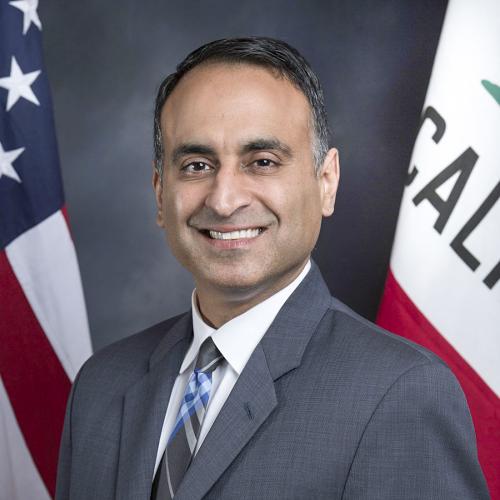
Ash Kalra
DDemocratic
Co

Bob Wieckowski
DDemocratic
Co

Cathleen Galgiani
DDemocratic
Co

Connie M. Leyva
DDemocratic
Co

David Chiu
DDemocratic
Co

Evan Low
DDemocratic
Co
Freddie Rodriguez
DDemocratic
Co
Jerry Hill
DDemocratic
Co

Jordan Cunningham
RRepublican
Co
Kevin Mullin
DDemocratic

Ask Maddy
·
AI policy assistant
Ask Maddy about SB 818
Scope: CA
Hi! I can help you understand SB 818. What would you like to know?
Try one of these
i
Maddy answers using official bill text and legislative records. Always verify before sharing.
Sources cited inline