

Renewable energy: shared renewable energy tariffs.
Summary
Existing law requires the Public Utilities Commission to develop a standard contract or tariff, which may include net energy metering, for an eligible customer-generator with a renewable electrical generation facility that is a customer of a large electrical corporation, as defined. The Green Tariff Shared Renewables Program requires a participating utility, as defined, to file with the commission an application requesting approval of a tariff to implement a program enabling ratepayers to participate directly in offsite electrical generation facilities that use eligible renewable energy resources, consistent with certain legislative findings and statements of intent. Existing law requires the commission, by July 1, 2014, to issue a decision concerning the participating utility's application, determining whether to approve or disapprove the application, with or without modifications, pursuant to a specified methodology. This bill would require the commission to require each large electrical corporation to establish a tariff or tariffs that provide for bill credits for electricity generated by eligible renewable generating facilities and exported to the electrical grid to be credited to electrical accounts of nonresidential customers of the corporations. The bill would require the commission to ensure that the credits reflect the full value of the electricity from the eligible renewable generating facilities and the credits are established using the same methodology that is used to determine credits under the standard contract or tariff for eligible customer-generators. Under existing law, a violation of the Public Utilities Act or any order, decision, rule, direction, demand, or requirement of the commission is a crime. By requiring the commission to require large electrical corporations to establish the above-described tariff, a violation of which would be a crime, this bill would impose a state-mandated local program. The California Constitution requires the state to reimburse local agencies and school districts for certain costs mandated by the state. Statutory provisions establish procedures for making that reimbursement. This bill would provide that no reimbursement is required by this act for a specified reason.
Bill status
in committee
1 of 4 stages cleared
Introduction
Feb 2018
Committee Review
Floor Vote
Governor
Introduced Feb 16, 2018
Last action May 25, 2018
Floor votes
How they voted
No floor votes recorded yet.
Full legislative history
Actions timeline
Total actions
15
Key actions
5
Committee
5
Amendments
1
May 25, 2018
Upper · Passed
May 25 hearing: Held in committee and under submission.
upper
May 14, 2018
Upper · Passed
May 14 hearing postponed by committee.
upper
May 1, 2018
Upper · Passed
Read second time and amended. Re-referred to Com. on APPR.
upper
Apr 30, 2018
Upper · Passed
From committee: Do pass as amended and re-refer to Com. on APPR. (Ayes 8. Noes 0. Page 4851.) (April 25).
upper
Apr 11, 2018
Upper · Passed
April 17 hearing postponed by committee.
upper
Mar 8, 2018
Committee
Referred to Com. on E., U. & C.
upper
Feb 16, 2018
Introduced
Introduced. Read first time. To Com. on RLS. for assignment. To print.
upper
1 primary · 0 co-sponsors
Sponsors
Role
Legislator
Party
State
District
P
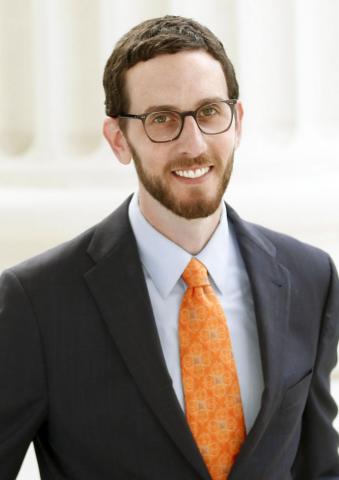
Scott Wiener
DDemocratic
Ask Maddy
·
AI policy assistant
Ask Maddy about SB 1399
Scope: CA
Hi! I can help you understand SB 1399. What would you like to know?
Try one of these
i
Maddy answers using official bill text and legislative records. Always verify before sharing.
Sources cited inline