

Vehicles: marijuana.
Summary
Existing law prohibits a person who is under the influence of alcohol, drugs, or the combined influence of alcohol or drugs from driving a vehicle. Existing law also prohibits a person from driving under the influence and proximately causing bodily harm to another person, as specified. Existing law defines a drug, for purposes of these provisions as any substance, or combination of substances, other than alcohol, which can affect the nervous system, brain, or muscles of a person in a manner that impairs the ability to safely drive a vehicle. This bill would recast these provisions to make driving under the influence of several classifications of drugs each a separate offense, with no changes to the penalty. Under existing law, it is an infraction for a person under 21 years of age who has a blood-alcohol concentration of 0.01% or greater to drive a vehicle. Under existing law, a person under 21 years of age who has a blood alcohol concentration of 0.01% or more while operating a motor vehicle will have his or her driver's license suspended by the department for no less than one year. Existing law provides the procedure for the arresting officer, acting on behalf of the Department of Motor Vehicles, to serve a notice of order of suspension, seize the person's license, and issue a temporary license. This bill would make it an infraction for a person under 21 years of age who has any detectable quantity of delta-9-tetrahydrocannabinol in his or her body to drive a vehicle. By creating a new crime, this bill would impose a state-mandated local program. The bill would make a person under 21 years of age who has any detectible amount of delta-9-tetrahydrocannabinol in his or her body subject to a written warning on the first incident, an administratively assessed violation point against his or her drivers license upon a 2nd incident, as provided, and to the same license suspension specified above, upon a 3rd instance. The bill would make other conforming changes. By increasing the administrative duties of local peace officers in enforcing this prohibition, this bill would impose a state-mandated local program. The California Constitution requires the state to reimburse local agencies and school districts for certain costs mandated by the state. Statutory provisions establish procedures for making that reimbursement. This bill would provide that with regard to certain mandates no reimbursement is required by this act for a specified reason. With regard to any other mandates, this bill would provide that, if the Commission on State Mandates determines that the bill contains costs so mandated by the state, reimbursement for those costs shall be made pursuant to the statutory provisions noted above.
Bill status
in committee
1 of 4 stages cleared
Introduction
Feb 2018
Committee Review
Floor Vote
Governor
Introduced Feb 16, 2018
Last action May 25, 2018
Floor votes
How they voted
No floor votes recorded yet.
Full legislative history
Actions timeline
Total actions
11
Key actions
3
Committee
3
Amendments
1
May 25, 2018
Upper · Passed
May 25 hearing: Held in committee and under submission.
upper
Apr 24, 2018
Upper · Passed
Read second time and amended. Re-referred to Com. on APPR.
upper
Apr 23, 2018
Upper · Passed
From committee: Do pass as amended and re-refer to Com. on APPR. (Ayes 4. Noes 1. Page 4629.) (April 10).
upper
Mar 1, 2018
Committee
Referred to Com. on PUB. S.
upper
Feb 16, 2018
Introduced
Introduced. Read first time. To Com. on RLS. for assignment. To print.
upper
1 primary · 0 co-sponsors
Sponsors
Role
Legislator
Party
State
District
P
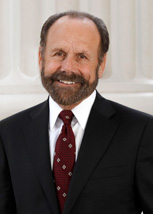
Jerry Hill
DDemocratic
Ask Maddy
·
AI policy assistant
Ask Maddy about SB 1273
Scope: CA
Hi! I can help you understand SB 1273. What would you like to know?
Try one of these
i
Maddy answers using official bill text and legislative records. Always verify before sharing.
Sources cited inline