

Driving under the influence: chemical tests.
Summary
(1) When a person is convicted of violating specified driving-under-the-influence (DUI) provisions, and at the time of the arrest leading to that conviction the person willfully refused a peace officer's request to submit to, or willfully failed to complete, a specified chemical test, existing law requires a court to impose additional penalties, as specified. This bill would make it a crime for a person to willfully refuse to submit to, or willfully fail to complete, a breath test after being lawfully arrested for a violation of specified offenses. The bill would specify that this crime does not apply to a person who has submitted to and completed a blood test, as specified. By creating a new crime, this bill would impose a state-mandated local program. (2) When a person is convicted of violating specified DUI provisions, existing law requires a court to consider a concentration of alcohol in a person's blood of 0.15% or more, by weight, or the refusal of the person to take a chemical test as a special factor that may justify enhancing the penalties in sentencing, in determining whether to grant probation, and, if probation is granted, in determining additional or enhanced terms and conditions of probation. This bill would change the provision described above to no longer require a court to consider a person's refusal to take a chemical test as a special factor. (3) Existing law provides that a person who drives a motor vehicle is deemed to have given his or her consent to chemical testing of his or her blood or breath for the purpose of determining the alcoholic or drug content of his or her blood if lawfully arrested for driving under the influence of alcohol or drugs. Existing law requires a person to be told that his or her failure to submit to, or the failure to complete, the required chemical test will result in a fine, mandatory imprisonment if convicted of specified DUI offenses, and suspension or revocation of his or her driving privilege, as specified. Existing law exempts a person afflicted with hemophilia or a heart condition, as specified, from this blood test requirement and instead requires him or her to submit to, and complete, a urine test. This bill would repeal the presumption that a person consents to submit to chemical testing of his or her blood or breath and would instead require a motor vehicle driver who is lawfully arrested for a specified DUI offense to submit to chemical testing of his or her blood or breath for the purpose of determining the alcoholic or drug content of his or her blood. The bill would require a peace officer to advise the person that he or she is entitled to a number of constitutional protections as to the manner in which the testing will occur, but that failure to take a blood or urine test may result in suspension or revocation of his or her driving privilege, and refusal to take a breath test may result in the same penalty and a fine or mandatory imprisonment if the person is convicted of a specified DUI offense. The bill would require a person exempted from the blood test requirement because of hemophilia or a heart condition, as specified, to submit to, and complete, a breath test or a urine test, as specified. Because this bill would impose new requirements on peace officers, it would impose a state-mandated local program. (4) The bill would also make legislative findings and declarations about the privilege of driving on public streets and highways in California and reasonable conditions imposed on that privilege. The California Constitution requires the state to reimburse local agencies and school districts for certain costs mandated by the state. Statutory provisions establish procedures for making that reimbursement. This bill would provide that with regard to certain mandates no reimbursement is required by this act for a specified reason. With regard to any other mandates, this bill would provide that, if the Commission on State Mandates determines that the bill contains costs so mandated by the state, reimbursement for those costs shall be made pursuant to the statutory provisions noted above.
Bill status
passed
3 of 5 stages cleared
Introduction
Feb 2017
Committee Review
Sep 2017
Assembly Passage
May 2017
Senate Passage
Governor
Introduced Feb 15, 2017
Last action Sep 1, 2017
Floor votes · Assembly May 30, 2017
How they voted
71–0
Passed · 3 other
Total votes 74
May 30, 2017
D
Democratic52
96% Yea
I
Independent1
100% Yea
R
Republican21
95% Yea
Vote distribution
All Yea
All Nay
Mixed
No data
Full legislative history
Actions timeline
Total actions
18
Key actions
8
Committee
10
Amendments
3
Sep 1, 2017
Upper · Passed
In committee: Held under submission.
upper
Jul 17, 2017
Committee
In committee: Referred to APPR. suspense file.
upper
Jul 5, 2017
Upper · Passed
Read second time and amended. Re-referred to Com. on APPR.
upper
Jul 3, 2017
Upper · Passed
From committee: Amend, and do pass as amended and re-refer to Com. on APPR. (Ayes 6. Noes 0.) (June 27).
upper
Jun 8, 2017
Committee
Referred to Com. on PUB. S.
upper
May 30, 2017
Assembly · Passed
Assembly Vote: pass (71-0-3)
assembly
May 26, 2017
Lower · Passed
From committee: Do pass. (Ayes 17. Noes 0.) (May 26).
lower
Apr 26, 2017
Committee
In committee: Set, first hearing. Referred to APPR. suspense file.
lower
Apr 4, 2017
Lower · Passed
From committee: Do pass and re-refer to Com. on APPR. (Ayes 7. Noes 0.) (April 4). Re-referred to Com. on APPR.
lower
Mar 28, 2017
Committee
Re-referred to Com. on PUB. S.
lower
Mar 27, 2017
Introduced
From committee chair, with author's amendments: Amend, and re-refer to Com. on PUB. S. Read second time and amended.
lower
Mar 21, 2017
Lower · Passed
In committee: Hearing postponed by committee.
lower
Mar 2, 2017
Committee
Referred to Com. on PUB. S.
lower
Feb 16, 2017
Lower · Passed
From printer. May be heard in committee March 18.
lower
1 primary · 3 co-sponsors
Sponsors
Role
Legislator
Party
State
District
P
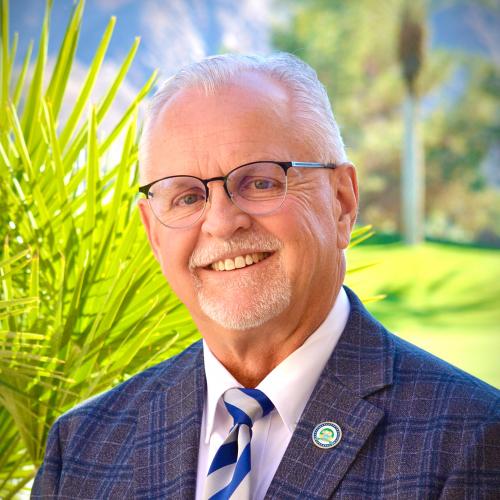
Tom Lackey
RRepublican
Co
Jordan Cunningham
RRepublican
Co
Patricia C. Bates
RRepublican
Co
Rocky J. Chávez
RRepublican
Ask Maddy
·
AI policy assistant
Ask Maddy about AB 702
Scope: CA
Hi! I can help you understand AB 702. What would you like to know?
Try one of these
i
Maddy answers using official bill text and legislative records. Always verify before sharing.
Sources cited inline