

County employees' retirement: districts: retirement system governance.
Summary
(1) The County Employees Retirement Law of 1937 (CERL) authorizes counties to establish retirement systems pursuant to its provisions in order to provide pension benefits to their employees. CERL defines a district for these purposes, includes specified county retirement systems within that definition, and permits a district to participate in CERL retirement systems. CERL generally provides that the personnel of a county retirement system are county employees, subject to county civil service provisions and salary ordinances, but also authorizes the boards of retirement in specified counties to adopt provisions providing for the appointment of personnel who are to be employees of the retirement system, as well as other administrative provisions that reflect the independence of the retirement system from the county. The California Public Employees' Pension Reform Act of 2013 (PEPRA) requires a public retirement system, as defined, to modify its plan or plans to comply with the act and establishes new retirement formulas that a public employer offering a defined benefit pension plan for employees first hired on or after January 1, 2013, may not exceed. PEPRA authorizes individuals who were employed by any public employer before January 1, 2013, and who became employed by a subsequent public employer for the first time on or after January 1, 2013, to be subject to the retirement plan that would have been available to employees of the subsequent employer who were first employed by the subsequent employer on or before December 31, 2012, if the individual was subject to reciprocity, as specified. This bill would define the Sacramento County retirement system as a district under CERL. The bill would authorize the board to adopt, by resolution, specified administrative provisions that would classify various personnel of the retirement system as employees of the retirement system and not employees of the county. The bill would require the retirement system to notify, and to meet and discuss with, participating employers in the retirement system, the employees of the system, and specified employee organizations, regarding the retirement system's intent to exercise this authority at least 60 days before considering a resolution to make these provisions applicable. The bill would grant an employee organization representing people who work for the retirement system, and an unrepresented person who works for the retirement system, the right to elect to be employees of the retirement system, which would be irrevocable, except as specified, and the status of the affected employee positions would remain changed for successor employees. In regard to county employees who would become retirement system employees, the bill would prescribe requirements in connection with their compensation and employment benefits and status. These provisions would include maintaining their county retirement benefits that would otherwise be reduced under PEPRA, keeping their employment classifications, providing for the transfer of leave balances accrued as county employees to the retirement system, as specified, and affording employees the opportunity to continue participation in group health and dental plans, among other things. The bill would prescribe requirements regarding labor negotiations and the continuity of labor agreements. The bill would grant the retirement system the authority to adopt the regulations and enter into the agreements necessary to implement them. The bill would require counties to cooperate and act in a timely manner to establish and implement agreements in this regard. The bill would make technical and conforming changes. (2) Existing law permits a board of retirement operating under CERL to issue subpoenas and to compensate persons who are subpoenaed. Existing law permits a board to delegate its subpoena power to a referee or administrator who is appointed pursuant to specified authority. This bill would authorize specified retirement systems operating as districts to delegate the subpoena power, as described above.
Bill status
passed
3 of 5 stages cleared
Introduction
Feb 2017
Committee Review
Jul 2017
Assembly Passage
May 2017
Senate Passage
Governor
Introduced Feb 13, 2017
Last action Jul 10, 2017
Floor votes · Assembly May 8, 2017
How they voted
70–0
Passed · 4 other
Total votes 74
May 8, 2017
D
Democratic52
94% Yea
I
Independent1
100% Yea
R
Republican21
95% Yea
Vote distribution
All Yea
All Nay
Mixed
No data
Full legislative history
Actions timeline
Total actions
14
Key actions
6
Committee
7
Amendments
2
Jul 10, 2017
Upper · Passed
In committee: Set, first hearing. Hearing canceled at the request of author.
upper
Jun 19, 2017
Upper · Passed
In committee: Hearing postponed by committee.
upper
May 18, 2017
Upper · Passed
From committee chair, with author's amendments: Amend, and re-refer to committee. Read second time, amended, and re-referred to Com. on P.E. & R.
upper
May 18, 2017
Committee
Referred to Com. on P.E. & R.
upper
May 8, 2017
Assembly · Passed
Assembly Vote: pass (70-0-4)
assembly
May 3, 2017
Lower · Passed
From committee: Do pass. (Ayes 7. Noes 0.) (May 3).
lower
Apr 5, 2017
Committee
Re-referred to Com. on P.E., R., & S.S.
lower
Apr 4, 2017
Introduced
From committee chair, with author's amendments: Amend, and re-refer to Com. on P.E., R., & S.S. Read second time and amended.
lower
Apr 3, 2017
Committee
Referred to Com. on P.E., R., & S.S.
lower
Feb 14, 2017
Lower · Passed
From printer. May be heard in committee March 16.
lower
1 primary · 0 co-sponsors
Sponsors
Role
Legislator
Party
State
District
P
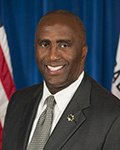
Jim Cooper
DDemocratic
Ask Maddy
·
AI policy assistant
Ask Maddy about AB 526
Scope: CA
Hi! I can help you understand AB 526. What would you like to know?
Try one of these
i
Maddy answers using official bill text and legislative records. Always verify before sharing.
Sources cited inline