

Workforce development.
Summary
(1) Existing law establishes the Employment Training Panel within the Employment Development Department, and prescribes the functions and duties of the panel with respect to the development, implementation, and administration of various employment training programs in the state. Existing law requires the panel, among other things, to create and annually update a 3-year plan, fund training projects that best meet the panel's identified priorities, and solicit proposals and write contracts for the purpose of providing employment training. Existing law sets forth certain requirements for those contracts, including, but not limited to, that a job generated by a contract compensate an employee at a specified percentage of the state hourly wage, and that an eligible participant be employed at a minimum of 90 days by his or her employer. Existing law requires the panel to submit an annual report to the Legislature that contains summaries of information related to projects operated by the panel. This bill would require the panel to solicit proposals and write performance-based contracts to fund projects that expedite and increase the number of middle-skill workers employed in an eligible industry. This bill would require projects funded by this program to comply with certain requirements. This bill would authorize the panel to negotiate, on a case-by-case basis, to include specified provisions in a contract with an eligible applicant, including a provision authorizing the panel to waive, negotiate, or adjust the state hourly wage and 90-day requirement for contracts funded. The bill would also require the panel, when preparing the annual report described above to separately identify projects funded by these provisions. (2) Existing federal law, the federal Workforce Innovation and Opportunity Act, allocates funds to state and local workforce development boards for workforce investment activities. In order to be eligible to receive certain allotments under the act, the governor of each state is required to designate a state workforce development board, and to prepare and submit a state plan to the United States Secretary of Labor, in accordance with certain requirements. A state workforce development board is responsible for assisting the Governor in the development, implementation, and modification of a state plan, as well as other duties relating to workforce development within the state. Existing law, the California Workforce Innovation and Opportunity Act, establishes the California Workforce Development Board as the body responsible for assisting the Governor in the development, oversight, and continuous improvement of California's workforce investment system. Under existing administrative law, the board and the Employment Development Department have established the Accelerator Grant Program that funds projects and partnerships to create and prototype innovative strategies that bridge education and workforce gaps for targeted populations, and initial implementation of promising models and practices in workforce system service delivery infrastructure. This bill would require the California Workforce Development Board to create a grant program, known as the Employment Revitalization Initiative, that would award grants to applicants for a project that assists eligible targeted populations and meets other requirements. The bill would require the board to establish criteria for the selection of grant recipients, and require that applicants include certain provisions in applications. The bill would also require the board to evaluate how the grants address the needs of eligible targeted populations, and, by January 1, 2019, and annually thereafter, post a report on the board's Internet Web site. This bill would create the Employment Revitalization Fund within the State Treasury as a continuously appropriated fund. This bill would also create the Workforce Accelerator Account, a continuously appropriated fund, as an account within the Employment Revitalization Fund to be used by the board to supplement, but not supplant, the existing Accelerator Grant Program, as specified. (3) This bill would appropriate $310,000,000 from the General Fund for purposes of this bill in accordance with a specified schedule.
Bill status
failed
1 of 4 stages cleared
Introduction
Feb 2017
Committee Review
Floor Vote
Governor
Introduced Feb 6, 2017
Last action Feb 1, 2018
Floor votes
How they voted
No floor votes recorded yet.
Full legislative history
Actions timeline
Total actions
14
Key actions
4
Committee
7
Amendments
2
May 26, 2017
Lower · Passed
In committee: Set, second hearing. Hearing canceled at the request of author.
lower
May 10, 2017
Committee
In committee: Set, first hearing. Referred to APPR. suspense file.
lower
Apr 20, 2017
Lower · Passed
From committee: Do pass and re-refer to Com. on APPR. with recommendation: To Consent Calendar. (Ayes 7. Noes 0.) (April 19). Re-referred to Com. on APPR.
lower
Apr 6, 2017
Committee
Re-referred to Com. on L. & E.
lower
Apr 4, 2017
Lower · Passed
From committee: Amend, and do pass as amended and re-refer to Com. on L. & E. (Ayes 7. Noes 0.) (March 28).
lower
Mar 13, 2017
Committee
Re-referred to Com. on J., E.D., & E.
lower
Mar 9, 2017
Introduced
From committee chair, with author's amendments: Amend, and re-refer to Com. on J., E.D., & E. Read second time and amended.
lower
Feb 21, 2017
Committee
Referred to Coms. on J., E.D., & E. and L. & E.
lower
Feb 7, 2017
Lower · Passed
From printer. May be heard in committee March 9.
lower
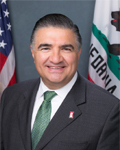
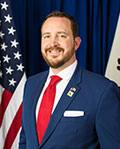
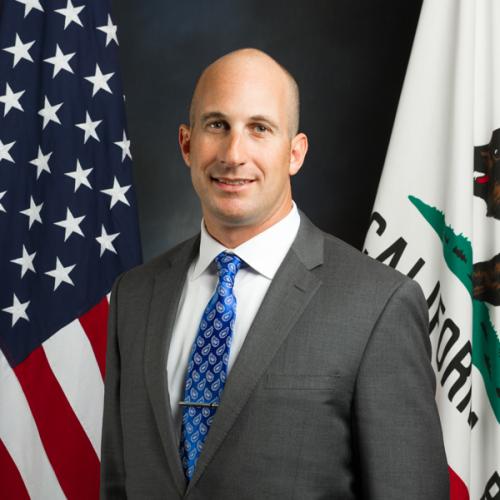
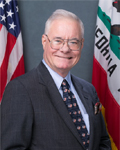
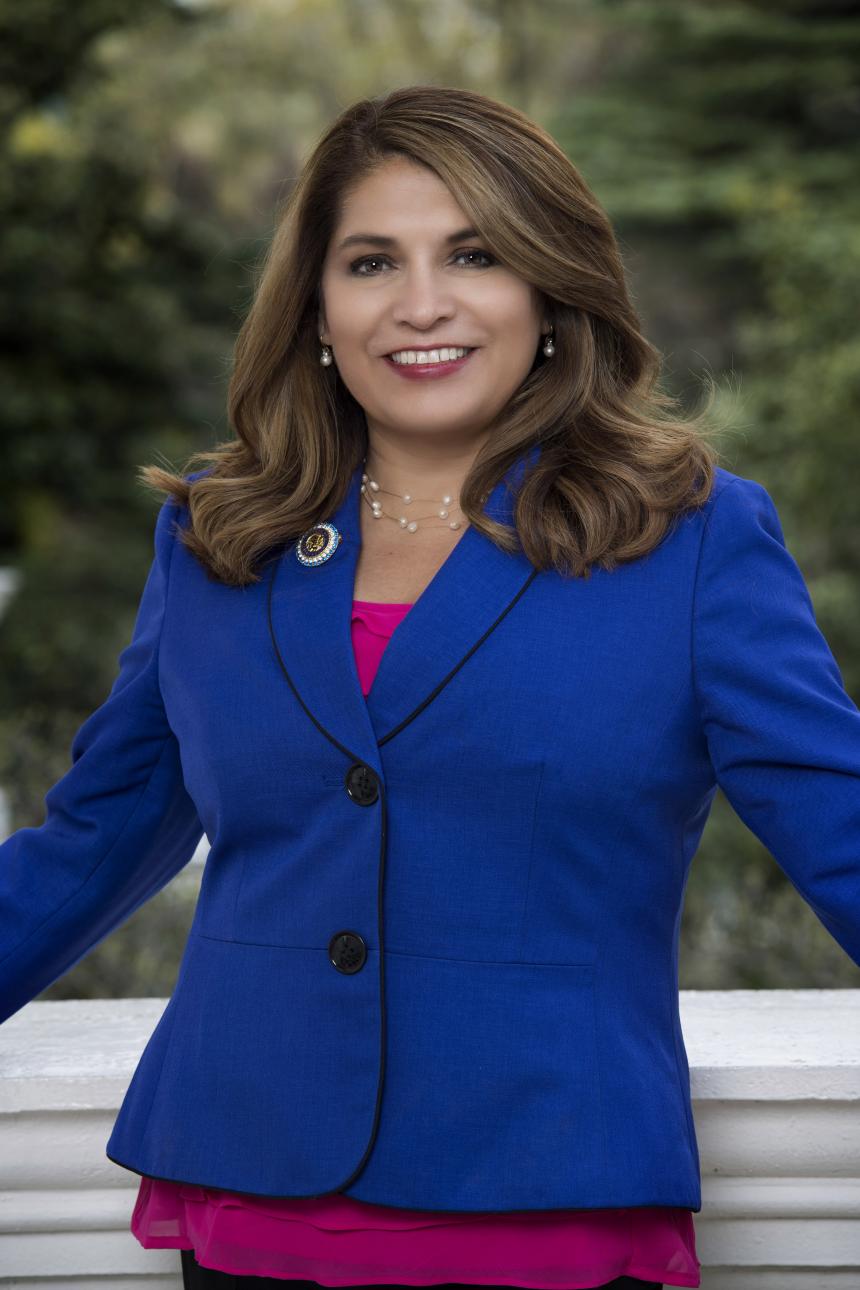
1 primary · 6 co-sponsors
Sponsors

Ask Maddy
·
AI policy assistant
Ask Maddy about AB 316
Scope: CA
Hi! I can help you understand AB 316. What would you like to know?
Try one of these
i
Maddy answers using official bill text and legislative records. Always verify before sharing.
Sources cited inline