

Department of Motor Vehicles: interagency agreement: career technical education program students.
Summary
Existing law authorizes the governing board of a community college district to enter into a College and Career Access Pathways partnership with the governing board of a school district with the goal of developing seamless pathways from high school to community college for career technical education or preparation for transfer, improving high school graduation rates, or helping high school pupils achieve college and career readiness. Existing federal and state law provides for the confidentiality of specified personal information, including an individual's name, address, and telephone number, provided to the Department of Motor Vehicles and prohibits the disclosure of that information, except as specified. Existing law specifies that information regarding an applicant's social security account number, obtained by the department for purposes of obtaining a driver's license or identification card, is not a public record and prohibits disclosure by the department except for specified purposes, including responding to information requests from the Franchise Tax Board for the purpose of tax administration. This bill would require the Department of Motor Vehicles to enter into an interagency agreement with the Employment Development Department, the California Community Colleges, and the State Department of Education to assist those entities in identifying students who participate in career technical education programs, so that those entities may be able to measure the employment outcomes of those students and recommend how those programs may be improved. The bill would prohibit a social security number made available by the department pursuant to that agreement from constituting a public record or being used for any other purpose. The bill would add the purposes of the interagency agreement established pursuant to these provisions to the list of purposes for which the department may disclose social security numbers. Existing constitutional provisions require that a statute that limits the right of access to the meetings of public bodies or the writings of public officials and agencies be adopted with findings demonstrating the interest protected by the limitation and the need for protecting that interest. This bill would make legislative findings to that effect.
Bill status
in committee
1 of 4 stages cleared
Introduction
Feb 2018
Committee Review
Floor Vote
Governor
Introduced Feb 15, 2018
Last action May 25, 2018
Floor votes
How they voted
No floor votes recorded yet.
Full legislative history
Actions timeline
Total actions
9
Key actions
0
Committee
7
Amendments
1
May 25, 2018
Assembly · Reported by committee
In committee: Held under submission.
May 16, 2018
Assembly · Referred to committee
In committee: Set, first hearing. Referred to APPR. suspense file.
Apr 25, 2018
Assembly · Reported by committee
From committee: Do pass and re-refer to Com. on APPR. (Ayes 10. Noes 2.) (April 24). Re-referred to Com. on APPR.
Apr 10, 2018
Assembly · Reported by committee
From committee: Do pass and re-refer to Com. on HIGHER ED. (Ayes 9. Noes 2.) (April 9). Re-referred to Com. on HIGHER ED.
Apr 4, 2018
Assembly · Referred to committee
Re-referred to Com. on TRANS.
Apr 3, 2018
Assembly · Amendment offered
From committee chair, with author's amendments: Amend, and re-refer to Com. on TRANS. Read second time and amended.
Mar 15, 2018
Assembly · Referred to committee
Referred to Coms. on TRANS. and HIGHER ED.
Feb 16, 2018
Assembly · Reported by committee
From printer. May be heard in committee March 18.
1 primary · 0 co-sponsors
Sponsors
Role
Legislator
Party
State
District
P
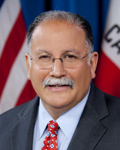
Jose Medina
DDemocratic
Ask Maddy
·
AI policy assistant
Ask Maddy about AB 2666
Scope: CA
Hi! I can help you understand AB 2666. What would you like to know?
Try one of these
i
Maddy answers using official bill text and legislative records. Always verify before sharing.
Sources cited inline