

Political Reform Act of 1974: campaign disclosures.
Summary
(1) Existing law, the Political Reform Act of 1974, provides for the comprehensive regulation of campaign financing and activities. The act requires a committee that supports or opposes ballot measures to name and identify itself using a name or phrase that clearly identifies the economic or other special interests of its major donors of $50,000 or more. The act also requires that the identity of a common employer shared by major donors be disclosed. This bill would repeal these provisions. (2) The act defines "expenditure" as a payment, a forgiveness of a loan, a payment of a loan by a 3rd party, or an enforceable promise to make a payment, unless it is clear from the surrounding circumstances that it is not made for political purposes. This bill, which would be known as the California Disclose Act, would describe circumstances in which a payment would be made for political purposes within the meaning of the definition of "expenditure." (3) The act prohibits a candidate or committee from sending a mass mailing unless the name, street address, and city of the candidate or committee are shown on the outside of each piece of mail in the mass mailing, as specified. This bill would additionally require the name of such an entity to be disclosed in a mass electronic mailing, as defined, that the entity sends. The bill would provide that these disclosure requirements do not apply if the mass mailing or mass electronic mailing is paid for by an independent expenditure. (4) The act prohibits a candidate, committee, or slate mailer organization from expending campaign funds to pay for specified telephone calls that advocate support of, or opposition to, a candidate, ballot measure, or both, unless the name of the organization that authorized or paid for the call is disclosed to the recipient of the call during the course of each call. This bill would instead apply these requirements to a candidate, a candidate controlled committee established for an elective office for the controlling candidate, a political party committee, and a slate mailer organization that expends campaign funds to pay for such telephone calls. The bill would provide that these disclosure requirements do not apply if the telephone call is paid for by an independent expenditure. (5) The act also requires advertisements, as defined, to include prescribed disclosure statements, including, among others, a requirement that the disclosure statements include the names of the persons who made the 2 highest cumulative contributions, as defined, to the committee paying for the advertisement. This bill would repeal and recast provisions of the act relating to advertisement disclosure statements. The bill would revise the definition of "advertisement" to exclude a number of communications, including communications that involve wearing apparel, sky writing, and certain electronic media communications, as specified. The bill would also replace existing advertisement disclosure statements with newly prescribed disclosure statements that identify the name of the committee paying for the advertisement and the top contributors to that committee. The bill would define "top contributors" for purposes of these provisions as the persons from whom the committee paying for the advertisement received its 3 highest cumulative contributions, as specified. The bill would exempt certain committees, including committees that make independent expenditures totaling $1,000 or more in a calendar year, from the requirement to disclose the top contributors in advertisement disclosure statements. The bill would also prescribe location and format criteria for the disclosure statements that are specific to radio and telephone, television and video, print, and electronic media advertisements. (6) The act imposes, in addition to other penalties, a fine of up to triple the amount of the cost of an advertisement on a person who violates the disclosure requirements for advertisements. This bill would revise the scope of violations subject to that fine by specifying that it applies to certain disclosure requirements and intentional violations. (7) The act prohibits a person from making a contribution as an intermediary on behalf of another person without disclosing to the recipient of the contribution specified information about both the intermediary and the source of the contribution. The act also prohibits a person from making a contribution to a committee on the condition or with the agreement that it will be contributed to a particular candidate unless the contribution is disclosed in compliance with those requirements for contributions made by an intermediary. This bill would prohibit a person from making a contribution to a committee or candidate that is earmarked unless the contribution is disclosed in compliance with the requirements for contributions made by an intermediary. The bill would also describe circumstances in which a contribution is deemed to be earmarked. The bill would impose additional disclosure requirements in connection with earmarked contributions from one committee to another. (8) Because a violation of the act is punishable as a misdemeanor, this bill would impose a state-mandated local program. The California Constitution requires the state to reimburse local agencies and school districts for certain costs mandated by the state. Statutory provisions establish procedures for making that reimbursement. This bill would provide that no reimbursement is required by this act for a specified reason. (9) The Political Reform Act of 1974, an initiative measure, provides that the Legislature may amend the act to further the act's purposes upon a 23 vote of each house of the Legislature and compliance with specified procedural requirements. This bill would declare that it furthers the purposes of the act. This bill would declare that it is to take effect immediately as an urgency statute.
Bill status
signed
all 5 stages cleared
Introduction
Jan 2017
Committee Review
Sep 2017
Assembly Passage
Apr 2017
Senate Passage
Sep 2017
Signed into Law
Oct 2017
Introduced Jan 30, 2017
Signed Oct 7, 2017
Floor votes · Senate Sep 12, 2017 · Assembly Apr 24, 2017
How they voted
24–6
Passed · 2 other
Total votes 32
Sep 12, 2017
D
Democratic22
100% Yea
R
Republican10
60% Nay
Vote distribution
All Yea
All Nay
Mixed
No data
Full legislative history
Actions timeline
Total actions
32
Key actions
15
Committee
13
Amendments
6
Oct 7, 2017
Signed into law
Approved by the Governor.
legislature
Sep 15, 2017
Lower · Passed
Urgency clause adopted. Senate amendments concurred in. To Engrossing and Enrolling. (Ayes 59. Noes 15. Page 3459.).
lower
Sep 14, 2017
Lower · Passed
From committee: That the Senate amendments be concurred in. (Ayes 4. Noes 2.) (September 14).
lower
Sep 13, 2017
Committee
Re-referred to Com. on E. & R. pursuant to Assembly Rule 77.2.
lower
Sep 12, 2017
Senate · Passed
Senate Vote: pass (24-6-2)
senate
Sep 12, 2017
Introduced
In Assembly. Concurrence in Senate amendments pending. May be considered on or after September 14 pursuant to Assembly Rule 77.
lower
Sep 1, 2017
Upper · Passed
From committee: Do pass. (Ayes 5. Noes 2.) (September 1).
upper
Sep 1, 2017
Committee
In committee: Referred to APPR. suspense file.
upper
Aug 29, 2017
Upper · Passed
From committee chair, with author's amendments: Amend, and re-refer to committee. Read second time, amended, and re-referred to Com. on APPR.
upper
Aug 29, 2017
Upper · Passed
From committee: Do pass and re-refer to Com. on APPR. (Ayes 4. Noes 1.) (August 29). Re-referred to Com. on APPR.
upper
Aug 28, 2017
Upper · Passed
From committee chair, with author's amendments: Amend, and re-refer to committee. Read second time, amended, and re-referred to Com. on E. & C.A.
upper
Aug 23, 2017
Committee
Re-referred to Com. on E. & C.A.
upper
Aug 23, 2017
Upper · Passed
From committee chair, with author's amendments: Amend, and re-refer to committee. Read second time, amended, and re-referred to Com. on RLS.
upper
Jul 20, 2017
Upper · Passed
From committee chair, with author's amendments: Amend, and re-refer to committee. Read second time, amended, and re-referred to Com. on RLS.
upper
Jun 21, 2017
Committee
Re-referred to Com. on RLS.
upper
Jun 20, 2017
Upper · Passed
From committee chair, with author's amendments: Amend, and re-refer to committee. Read second time, amended, and re-referred to Com. on EQ.
upper
May 10, 2017
Committee
Referred to Com. on EQ.
upper
Apr 24, 2017
Assembly · Passed
Assembly Vote: pass (62-0-8)
assembly
Apr 5, 2017
Lower · Passed
From committee: Do pass. (Ayes 15. Noes 0.) (April 5).
lower
Mar 8, 2017
Lower · Passed
From committee: Do pass and re-refer to Com. on APPR. (Ayes 7. Noes 0.) (March 7). Re-referred to Com. on APPR.
lower
Feb 6, 2017
Committee
Referred to Com. on E.S. & T.M.
lower
Jan 31, 2017
Lower · Passed
From printer. May be heard in committee March 2.
lower
1 primary · 23 co-sponsors
Sponsors
Role
Legislator
Party
State
District
P
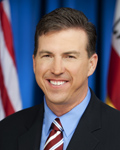
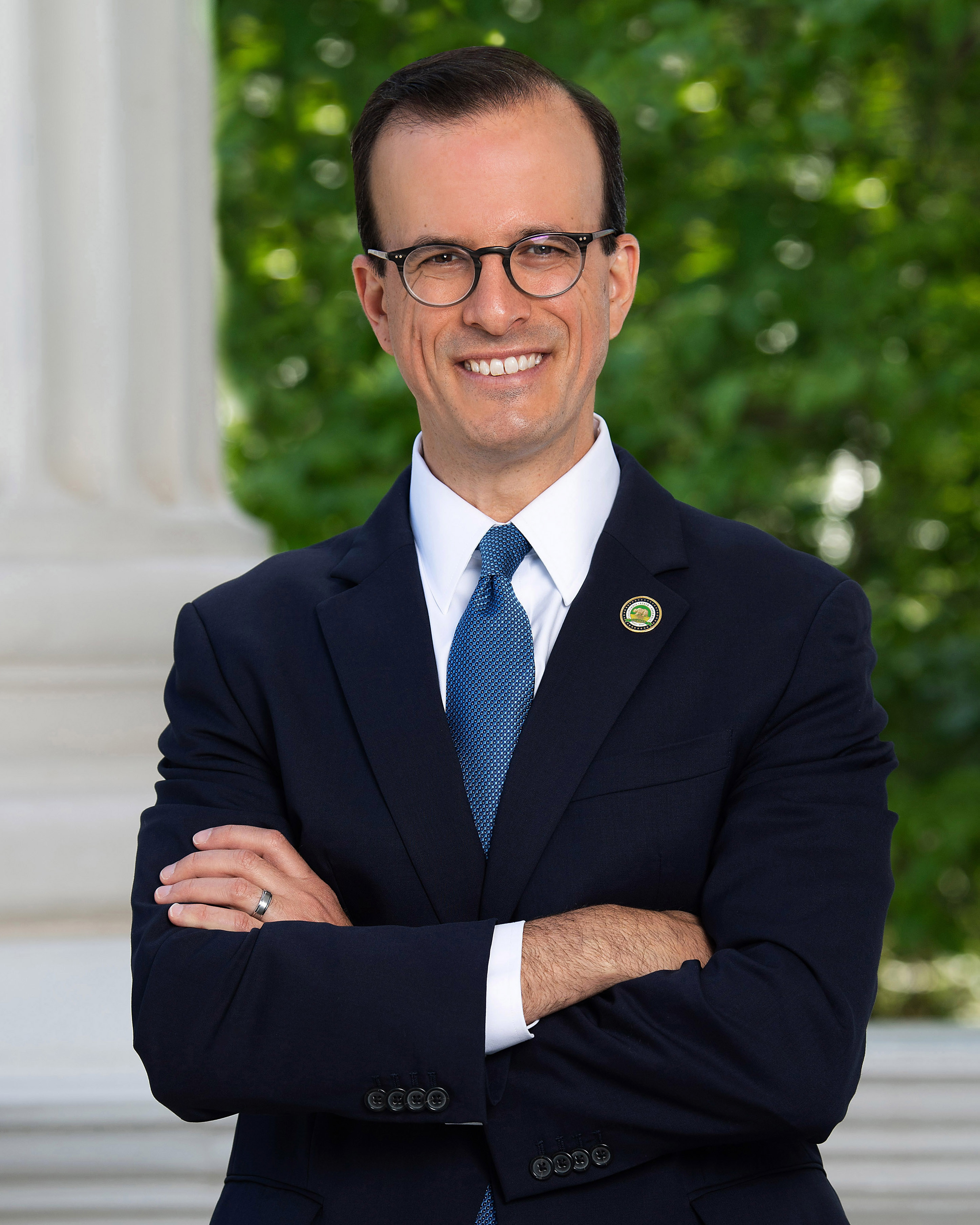
Kevin Mullin
DDemocratic
Co
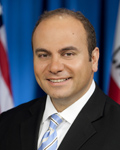
Adrin Nazarian
DDemocratic
Co
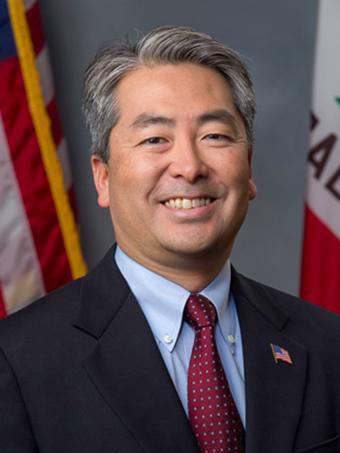
Al Muratsuchi
DDemocratic
Co
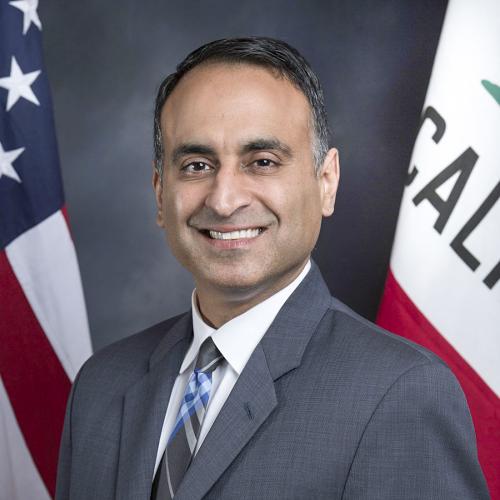
Ash Kalra
DDemocratic
Co
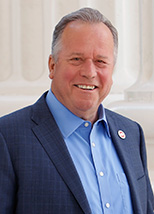
Bill Dodd
DDemocratic
Co

Cathleen Galgiani
DDemocratic
Co

Cecilia Aguiar-Curry
DDemocratic
Co

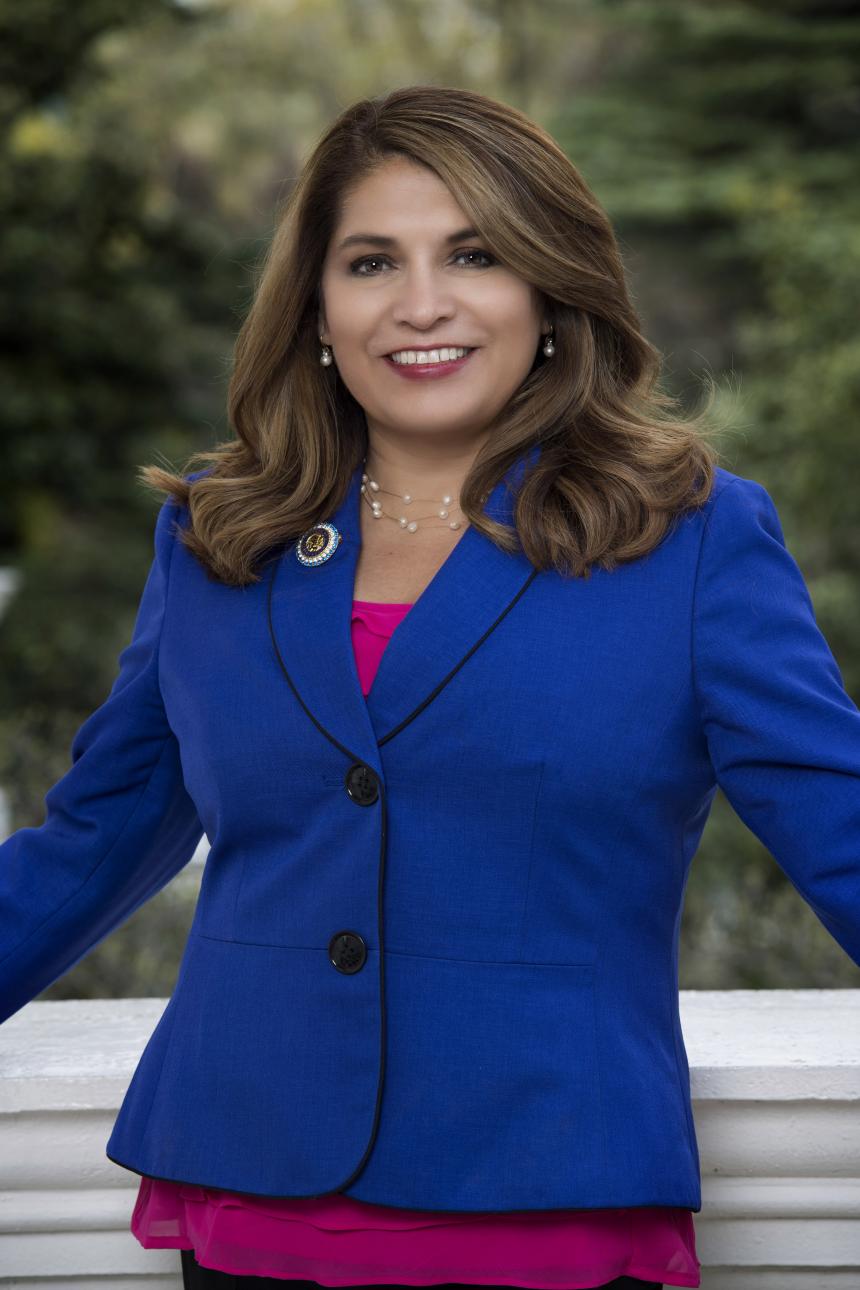
Connie M. Leyva
DDemocratic
Co
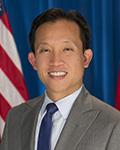
David Chiu
DDemocratic
Co

Henry Stern
DDemocratic
Co
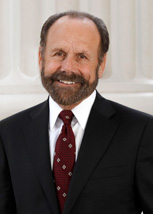
Jerry Hill
DDemocratic






Ask Maddy
·
AI policy assistant
Ask Maddy about AB 249
Scope: CA
Hi! I can help you understand AB 249. What would you like to know?
Try one of these
i
Maddy answers using official bill text and legislative records. Always verify before sharing.
Sources cited inline