

CalWORKs: accommodations.
Summary
(1) Existing federal law provides for allocation of federal funds through the federal Temporary Assistance for Needy Families (TANF) block grant program to eligible states. California's version of this program is CalWORKs. Under the CalWORKs program, each county provides cash assistance and other benefits, through a combination of state and county funds and federal funds received through the TANF program, to qualified low-income families and individuals who meet specified eligibility criteria. Under the CalWORKs program, recipients are required to participate in specified welfare-to-work activities, unless an exception applies. Existing law prohibits medically disabled individuals, as specified, from being required to participate in welfare-to-work activities for so long as the condition continues to exist. Existing law requires that an applicant or recipient be excused from participation in welfare-to-work activities for good cause when the county determines that the applicant or recipient is a victim of domestic violence, as specified. Existing law also authorizes specified supportive services and accommodations for applicants and recipients who are victims of domestic violence or who are experiencing specified conditions, including emotional, mental, or developmental disabilities. Existing law requires applications for public social services or public assistance, including CalWORKs, to be made to the county welfare department of the county in which the applicant is living. Existing law authorizes applications to be made in writing or upon the standard form prescribed in regulations of the State Department of Social Services. Existing law also requires counties to redetermine the eligibility and grant amounts of a CalWORKs recipient on a semiannual basis through the submission of a semiannual report form. The federal Americans with Disabilities Act prohibits public entities, such as a state or local government, from discriminating against individuals with a qualified disability or denying those individuals with access to the benefits, services, programs, or activities of that public entity due to disability. This bill would require the State Department of Social Services to include questions that enable an applicant for, or recipient of, public social services or public assistance, including CalWORKs, to disclose a disability, the need for accommodation due to disability, or any experience of domestic violence in any amendment or revision to the standard form for initial applications and the CalWORKs semiannual report form adopted on or after January 1, 2019. (2) Existing law directs the Office of Systems Integration within the California Health and Human Services Agency to implement a statewide automated welfare system for specified public assistance programs, including, among others, the CalWORKs program. Existing law requires that statewide implementation of the statewide automated welfare system be achieved through no more than 4 county consortia, including the Interim Statewide Automated Welfare System (SAWS) consortia, and the Los Angeles Eligibility, Automated Determination, Evaluation, and Reporting (LEADER) System. Existing law establishes specified goals for the system, including, among others, the equitable, timely, and consistent treatment of recipients within each program and the reduction of administrative complexity. Existing law declares the intent of the Legislature that representatives from the State Department of Social Services, the State Department of Health Care Services, the Office of Systems Integration, the SAWS consortia, and counties meet with advocates, clients, and other stakeholders no less than quarterly to review the development status of the California Automated Consortium Eligibility System (CalACES) and the California Statewide Automated Welfare System (CalSAWS) projects. Existing law requires the State Department of Social Services, the State Department of Health Care Services, and the Office of Systems Integration to develop, in consultation with the County Welfare Directors Association of California, the SAWS consortia, and stakeholders, a formal process for health and human services advocates and clients to provide input into new or changing public facing elements of CalACES and CalSAWS. This bill would require any single state automated welfare system implemented pursuant to the above provisions to include a notification to inform the caseworker of a public assistance program applicant or recipient that the applicant or recipient has disclosed the need for an accommodation consistent with the Americans with Disabilities Act or has disclosed a disability or domestic violence experience that may affect his or her eligibility for certain exemptions from, and exceptions to, CalWORKs program requirements. The bill would require the State Department of Social Services to collaborate with county welfare departments in developing this notification. The bill would require the notification to be immediately visible to the caseworker upon opening the applicant's or recipient's file in the system.
Bill status
signed
all 5 stages cleared
Introduction
Feb 2018
Committee Review
Aug 2018
Assembly Passage
May 2018
Senate Passage
Aug 2018
Signed into Law
Sep 2018
Introduced Feb 5, 2018
Signed Sep 18, 2018
Floor votes · Senate Aug 22, 2018 · Assembly May 31, 2018
How they voted
39–0
Passed · 1 other
Total votes 40
Aug 22, 2018
D
Democratic26
100% Yea
R
Republican14
92% Yea
Vote distribution
All Yea
All Nay
Mixed
No data
Full legislative history
Actions timeline
Total actions
26
Key actions
9
Committee
8
Amendments
4
Sep 18, 2018
Signed into law
Approved by the Governor.
legislature
Aug 27, 2018
Lower · Passed
Senate amendments concurred in. To Engrossing and Enrolling. (Ayes 79. Noes 0. Page 6629.).
lower
Aug 22, 2018
Senate · Passed
Senate Vote: pass (39-0-1)
senate
Aug 22, 2018
Introduced
In Assembly. Concurrence in Senate amendments pending. May be considered on or after August 24 pursuant to Assembly Rule 77.
lower
Aug 17, 2018
Upper · Passed
From committee: Amend, and do pass as amended. (Ayes 7. Noes 0.) (August 16).
upper
Aug 6, 2018
Committee
In committee: Referred to APPR. suspense file.
upper
Jun 27, 2018
Upper · Passed
From committee: Do pass and re-refer to Com. on APPR. (Ayes 6. Noes 0.) (June 26). Re-referred to Com. on APPR.
upper
Jun 13, 2018
Committee
Referred to Com. on HUMAN S.
upper
May 31, 2018
Assembly · Passed
Assembly Vote: pass (75-0)
assembly
May 25, 2018
Lower · Passed
From committee: Amend, and do pass as amended. (Ayes 12. Noes 0.) (May 25).
lower
Apr 18, 2018
Committee
In committee: Set, first hearing. Referred to APPR. suspense file.
lower
Apr 3, 2018
Committee
Re-referred to Com. on APPR.
lower
Mar 23, 2018
Lower · Passed
From committee: Amend, and do pass as amended and re-refer to Com. on APPR. with recommendation: To Consent Calendar. (Ayes 7. Noes 0.) (March 20).
lower
Feb 12, 2018
Committee
Referred to Com. on HUM. S.
lower
Feb 6, 2018
Lower · Passed
From printer. May be heard in committee March 8.
lower
1 primary · 0 co-sponsors
Sponsors
Role
Legislator
Party
State
District
P
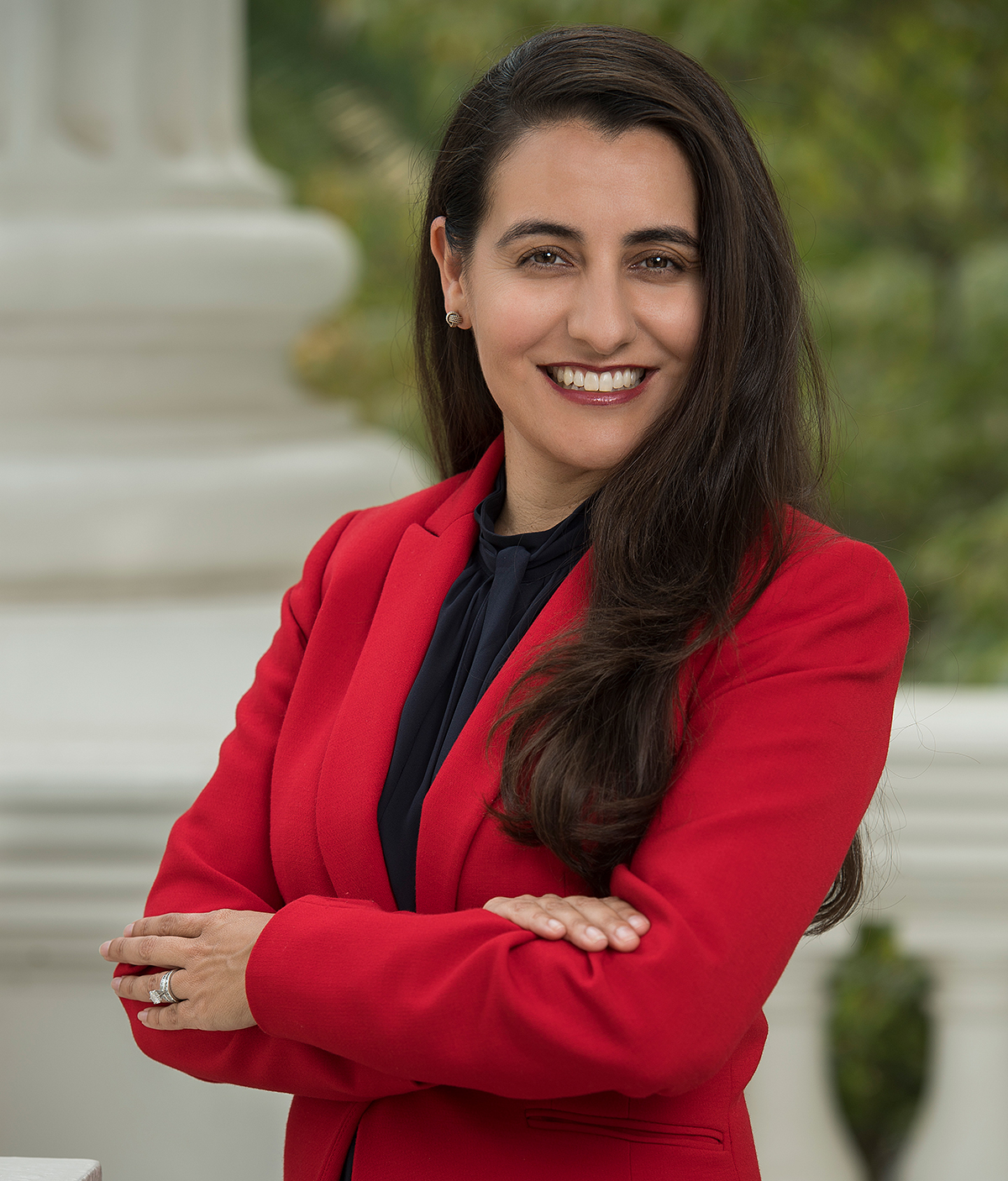
Monique Limón
DDemocratic
Ask Maddy
·
AI policy assistant
Ask Maddy about AB 2030
Scope: CA
Hi! I can help you understand AB 2030. What would you like to know?
Try one of these
i
Maddy answers using official bill text and legislative records. Always verify before sharing.
Sources cited inline