

California Environmental Quality Act: categorical exemption: infill development.
Summary
The California Environmental Quality Act (CEQA) requires a lead agency, as defined, to prepare, or cause to be prepared, and certify the completion of, an environmental impact report on a project that it proposes to carry out or approve that may have a significant effect on the environment or to adopt a negative declaration if it finds that the project will not have that effect. CEQA also requires a lead agency to prepare a mitigated negative declaration for a project that may have a significant effect on the environment if revisions in the project would avoid or mitigate that effect and there is no substantial evidence that the project, as revised, would have a significant effect on the environment. CEQA requires the Office of Planning and Research to prepare and develop, and the Secretary of the Natural Resources Agency to certify and adopt, guidelines for the implementation of CEQA. CEQA requires the guidelines to include a list of classes of projects that have been determined not to have a significant effect on the environment and that shall be exempt from CEQA (categorical exemption) . Existing guidelines for the implementation of CEQA exempts from the requirements of CEQA infill development meeting certain requirements, including the requirement that the proposed development occurs within city limits. This bill would revise the above-described categorical exemption to include proposed residential and mixed-use housing projects occurring within an unincorporated area of a county. Because a lead agency would be required to determine the applicability of this exemption, this bill would impose a state-mandated local program. The bill would require the office to recommend proposed regulatory amendments for the implementation of these provisions and would require the secretary to certify and adopt the changes on or before January 1, 2019. The California Constitution requires the state to reimburse local agencies and school districts for certain costs mandated by the state. Statutory provisions establish procedures for making that reimbursement. This bill would provide that no reimbursement is required by this act for a specified reason.
Bill status
passed
3 of 5 stages cleared
Introduction
Feb 2017
Committee Review
Sep 2017
Assembly Passage
May 2017
Senate Passage
Governor
Introduced Feb 17, 2017
Last action Sep 1, 2017
Floor votes
How they voted
No floor votes recorded yet.
Full legislative history
Actions timeline
Total actions
16
Key actions
6
Committee
8
Amendments
3
Sep 1, 2017
Upper · Passed
In committee: Held under submission.
upper
Aug 21, 2017
Committee
In committee: Referred to APPR. suspense file.
upper
Jul 10, 2017
Upper · Passed
Read second time and amended. Re-referred to Com. on APPR.
upper
Jul 6, 2017
Upper · Passed
From committee: Amend, and do pass as amended and re-refer to Com. on APPR. (Ayes 6. Noes 0.) (July 5).
upper
Jun 8, 2017
Committee
Referred to Com. on EQ.
upper
May 26, 2017
Lower · Passed
From committee: Do pass. (Ayes 17. Noes 0.) (May 26).
lower
May 3, 2017
Committee
In committee: Set, first hearing. Referred to APPR. suspense file.
lower
Apr 18, 2017
Committee
Re-referred to Com. on APPR.
lower
Apr 6, 2017
Lower · Passed
From committee: Amend, and do pass as amended and re-refer to Com. on APPR. (Ayes 7. Noes 1.) (April 3).
lower
Mar 13, 2017
Committee
Referred to Com. on NAT. RES.
lower
Feb 19, 2017
Lower · Passed
From printer. May be heard in committee March 21.
lower
1 primary · 0 co-sponsors
Sponsors
Role
Legislator
Party
State
District
P
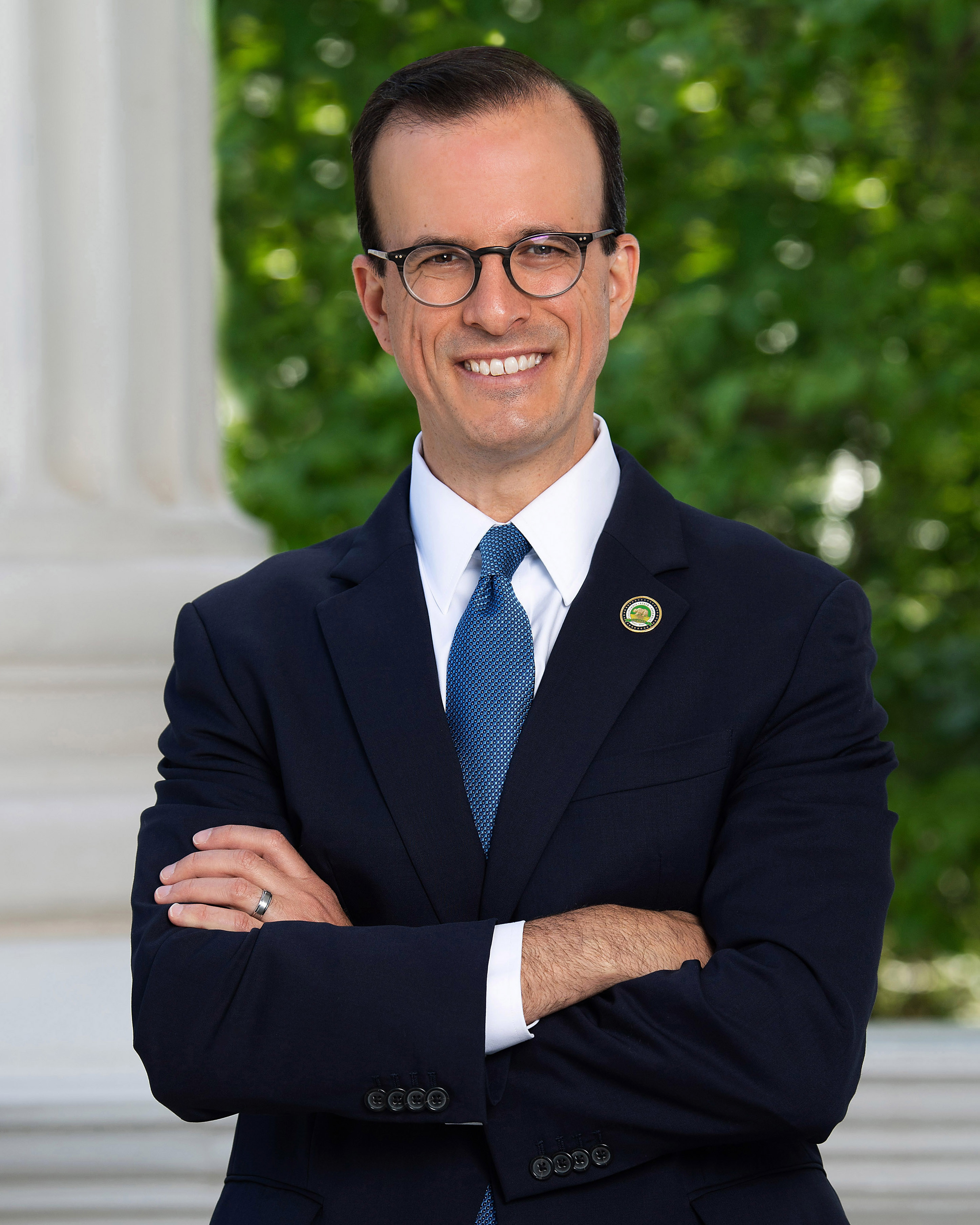
Marc Berman
DDemocratic
Ask Maddy
·
AI policy assistant
Ask Maddy about AB 1404
Scope: CA
Hi! I can help you understand AB 1404. What would you like to know?
Try one of these
i
Maddy answers using official bill text and legislative records. Always verify before sharing.
Sources cited inline