

Racial and identity profiling: reporting: peace officer.
Summary
Existing law, the Racial and Identity Profiling Act of 2015, requires the Attorney General to establish the Racial and Identity Profiling Advisory Board (RIPA) to eliminate racial and identity profiling and to improve diversity and racial and identity sensitivity in law enforcement. Existing law requires the board, among other duties, to work in partnership with state and local law enforcement agencies to review and analyze racial and identity profiling policies and practices across geographic areas in California. Existing law requires each state and local agency that employs peace officers to annually report to the Attorney General data on all stops, as defined, conducted by the agency's peace officers for the preceding calendar year. Existing law requires the reporting to include specified information for each stop, including the time, date, and location of the stop; the reason for the stop; the perceived race or ethnicity, gender, and approximate age of the person stopped, provided that the identification of these characteristics be based on the observation and perception of the peace officer making the stop, and the information not be requested from the person stopped; and specified actions taken by the peace officer during the stop. Existing law requires that the data reported be available to the public, except for the badge number or other unique identifying information of the peace officer involved, which is released to the public only to the extent the release is permissible under state law. The California Public Records Act requires a state or local agency, as defined, to make public records available for inspection, subject to certain exceptions. Existing law provides that peace officer or custodial officer personnel records, as defined, and records maintained by any state or local agency relating to complaints against peace officers and custodial officers, or information obtained from those records, are confidential and prohibits the disclosure of those records in any criminal or civil proceeding except by discovery. Existing law describes exceptions to this policy for investigations or proceedings concerning the conduct of peace officers or custodial officers, or an agency or department that employs those officers, conducted by a grand jury, a district attorney's office, or the Attorney General's office. This bill would specify that the name or other means of identifying a peace officer in connection with the information that the peace officer collects pursuant to the Racial and Identity Profiling Act of 2015, as described above, is not subject to disclosure under the California Public Records Act. The bill would also state, in related provisions, that nothing in the Racial and Identity Profiling Act of 2015 was or is intended to allow public access to, or disclosure of, that information, as specified. The bill would also make technical, nonsubstantive changes to those provisions. Existing constitutional provisions require that a statute that limits the right of access to the meetings of public bodies or the writings of public officials and agencies be adopted with findings demonstrating the interest protected by the limitation and the need for protecting that interest. This bill would make legislative findings to that effect. The California Constitution requires local agencies, for the purpose of ensuring public access to the meetings of public bodies and the writings of public officials and agencies, to comply with a statutory enactment that amends or enacts laws relating to public records or open meetings and contains findings demonstrating that the enactment furthers the constitutional requirements relating to this purpose. This bill would make legislative findings to that effect. The California Constitution requires the state to reimburse local agencies and school districts for certain costs mandated by the state. Statutory provisions establish procedures for making that reimbursement. This bill would provide that no reimbursement is required by this act for a specified reason.
Bill status
failed
1 of 4 stages cleared
Introduction
Feb 2017
Committee Review
Floor Vote
Governor
Introduced Feb 16, 2017
Last action Feb 1, 2018
Floor votes
How they voted
No floor votes recorded yet.
Full legislative history
Actions timeline
Total actions
9
Key actions
2
Committee
5
Amendments
1
Jan 3, 2018
Committee
Re-referred to Com. on RLS. pursuant to Assembly Rule 96.
lower
Mar 21, 2017
Lower · Passed
In committee: Set, first hearing. Hearing canceled at the request of author.
lower
Mar 15, 2017
Committee
Re-referred to Com. on HUM. S.
lower
Mar 14, 2017
Introduced
From committee chair, with author's amendments: Amend, and re-refer to Com. on HUM. S. Read second time and amended.
lower
Mar 6, 2017
Committee
Referred to Com. on HUM. S.
lower
Feb 17, 2017
Lower · Passed
From printer. May be heard in committee March 19.
lower
1 primary · 0 co-sponsors
Sponsors
Role
Legislator
Party
State
District
P
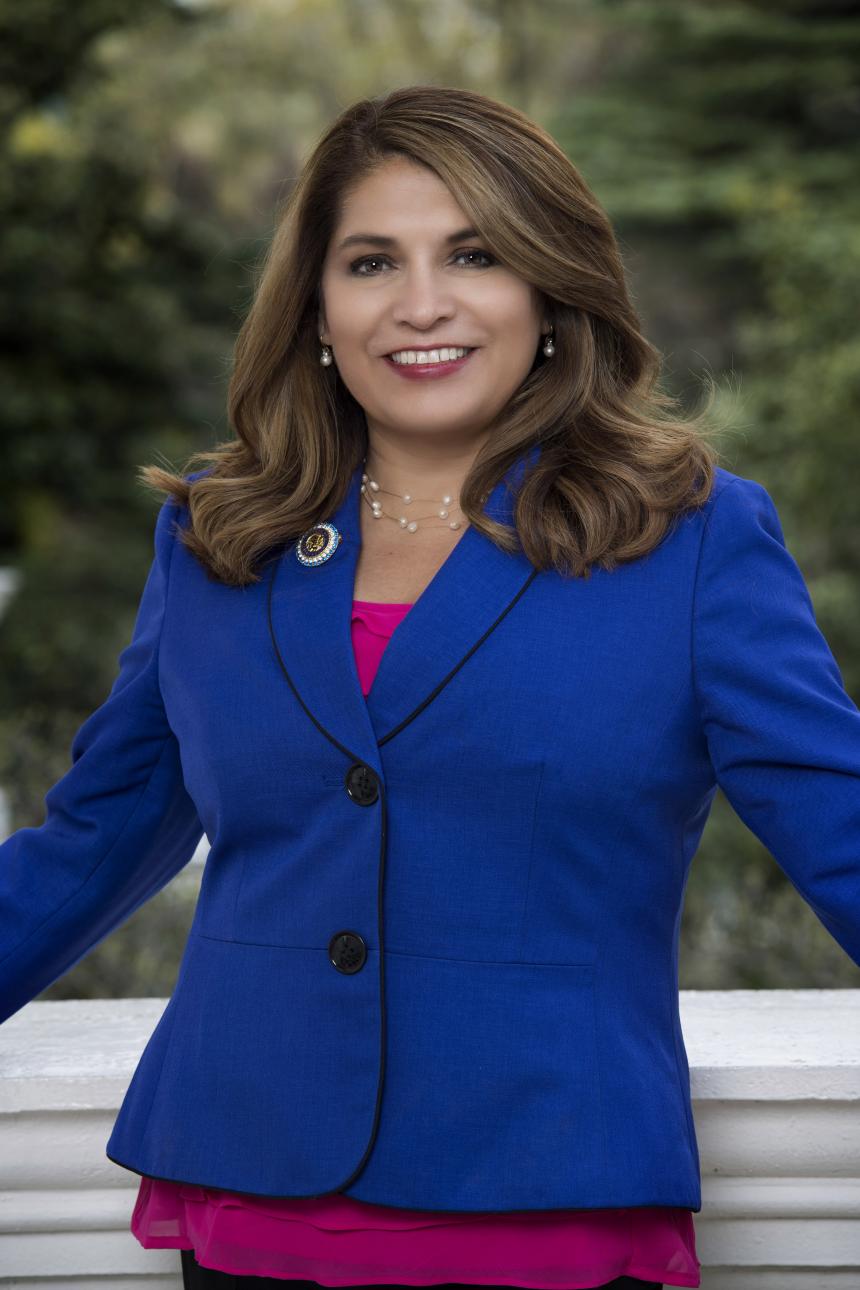
Sharon Quirk-Silva
DDemocratic
Ask Maddy
·
AI policy assistant
Ask Maddy about AB 1039
Scope: CA
Hi! I can help you understand AB 1039. What would you like to know?
Try one of these
i
Maddy answers using official bill text and legislative records. Always verify before sharing.
Sources cited inline