

Natural gas storage: moratorium.
Summary
(1) Under existing law, the Division of Oil, Gas, and Geothermal Resources in the Department of Conservation regulates the drilling, operation, maintenance, and abandonment of oil and gas wells in the state. Existing law requires the State Oil and Gas Supervisor to supervise the drilling, operation, maintenance, and abandonment of wells and the operation, maintenance, and removal or abandonment of tanks and facilities related to oil and gas production within an oil and gas field, so as to prevent damage to life, health, property, and natural resources, as provided; to permit owners and operators of wells to utilize all known methods and practices to increase the ultimate recovery of hydrocarbons; and to perform the supervisor's duties in a manner that encourages the wise development of oil and gas resources to best meet oil and gas needs in this state. Under existing law, a person who fails to comply with certain requirements relating to the regulation of oil or gas operations is guilty of a misdemeanor. This bill would require the supervisor to continue the prohibition against Southern California Gas Company injecting any natural gas into the Aliso Canyon natural gas storage facility located in the County of Los Angeles until a comprehensive review of the safety of the gas storage wells at the facility is completed, as specified, the supervisor determines that well integrity has been ensured by the review, the risks of failures identified in the review have been addressed, the supervisor's duty to prevent damage to life, health, property, and natural resources, and other requirements is satisfied, and the Executive Director of the Public Utilities Commission has concurred via letter with the supervisor regarding his or her determination of safety. The bill would require the supervisor to determine criteria for the gas storage well comprehensive safety review with input from independent experts and would require the criteria to include, but not be limited to, specified tests and inspections. The bill would require the supervisor to direct the contracted independent experts to provide a methodology to be used in assessing the tests and inspections specified in the criteria. The bill would require the division to post the methodology on a public portion of its Internet Web site. The bill would require the operator of the facility to provide the division with the proposed maximum reservoir pressure and to include data and calculations supporting the basis for the pressure limit. The bill would authorize the supervisor to allow injections of natural gas into the facility once the gas storage well comprehensive safety review is complete, the division holds a duly noticed public hearing in the affected community to provide the public an opportunity to comment on the safety review findings and the proposed pressure limit, and the supervisor has approved the maximum and minimum reservoir pressure at the facility. The bill would also require that, before the completion of the gas storage well comprehensive safety review, the production of natural gas from gas storage wells at the facility be limited to gas storage wells that have satisfactorily completed the testing and remediation required under the review, except as specified. The bill would require the supervisor to direct the operator of the facility to provide a plan to ensure, at the earliest possible time, the availability of sufficient gas production capacity using gas storage wells that have satisfactorily completed the testing and remediation required under the review. The bill would require all gas storage wells returning to service under these provisions to inject or produce gas only through the interior metal tubing, and would require the operator to conduct ongoing pressure monitoring and comply with any other requirements specified by the supervisor. The bill would require the gas storage wells at the facility that are plugged and abandoned pursuant to these provisions to be periodically inspected by the operator for leaks using effective gas leak detection techniques. The bill would require the division, with respect to the review and in a timely manner, to post all testing, inspection and monitoring results, and other safety review-related materials to a public portion of the division's Internet Web site. Because a violation of certain of these requirements would be a crime, the bill would impose a state-mandated local program. The bill would repeal these provisions on January 1, 2021. (2) Under existing law, the Public Utilities Commission is authorized to supervise and regulate every public utility in the state. Under existing law, a violation of the Public Utilities Act or any order, decision, rule, direction, demand, or requirement of the commission is a crime. This bill would require the commission, no later than July 1, 2017, to open a proceeding to determine the feasibility of minimizing or eliminating use of the Aliso Canyon natural gas storage facility located in the County of Los Angeles while still maintaining energy and electric reliability for the region, and to consult with specified entities in making its determination. The bill would require the commission, in consultation with specified entities, to determine the range of working gas necessary to ensure safety and reliability for the region and just and reasonable rates in California, and to direct the operator of the facility to provide all information the commission deems necessary to make that determination. The bill would require the commission, within 30 days of the effective date of this act, to publish a report, including specified information regarding gas production at the facility. The bill would require the commission to make the report available on its Internet Web site, and to seek public comments on the report, as specified. The bill would require the executive director of the commission, in consultation with the supervisor, to direct the operator of the facility to maintain the specified range of working gas after certain conditions have occurred. Certain provisions of this bill would be part of the act and an order or other action of the commission would be required to implement certain of the provisions. Because a violation of the bill's provisions or of an order or decision of the commission would be a crime, this bill would impose a state-mandated local program by creating new crimes. The bill would repeal these provisions on January 1, 2021. (3) The California Constitution requires the state to reimburse local agencies and school districts for certain costs mandated by the state. Statutory provisions establish procedures for making that reimbursement. This bill would provide that no reimbursement is required by this act for a specified reason. (4) This bill would declare that it is to take effect immediately as an urgency statute.
Bill status
signed
all 5 stages cleared
Introduction
Feb 2015
Committee Review
May 2016
Senate Passage
Jan 2016
Assembly Passage
Apr 2016
Signed into Law
May 2016
Introduced Feb 24, 2015
Signed May 10, 2016
Floor votes · Senate May 2, 2016 · Assembly Apr 28, 2016
How they voted
31–0
Passed · 2 other
Total votes 33
May 2, 2016
D
Democratic23
95% Yea
R
Republican10
90% Yea
Vote distribution
All Yea
All Nay
Mixed
No data
Full legislative history
Actions timeline
Total actions
28
Key actions
8
Committee
12
Amendments
2
May 10, 2016
Signed into law
Approved by the Governor.
legislature
May 2, 2016
Senate · Passed
Senate Vote: pass (31-0-2)
senate
May 2, 2016
Upper · Passed
Assembly amendments concurred in. (Ayes 37. Noes 0. Page 3734.) Ordered to engrossing and enrolling.
upper
Apr 28, 2016
Assembly · Passed
Assembly Vote: pass (61-2-8)
assembly
Apr 28, 2016
Introduced
In Senate. Concurrence in Assembly amendments pending.
upper
Apr 19, 2016
Lower · Passed
Read second time and amended. Ordered to second reading.
lower
Apr 18, 2016
Lower · Passed
From committee: Do pass as amended. (Ayes 15. Noes 0.) (April 13).
lower
Mar 30, 2016
Committee
From committee with author's amendments. Read second time and amended. Re-referred to Com. on APPR.
lower
Mar 7, 2016
Committee
Read second time and amended. Re-referred to Com. on APPR.
lower
Mar 3, 2016
Lower · Passed
From committee: Do pass as amended and re-refer to Com. on APPR. (Ayes 13. Noes 0.) (February 22).
lower
Feb 16, 2016
Committee
From committee with author's amendments. Read second time and amended. Re-referred to Com. on U. & C.
lower
Feb 8, 2016
Committee
Referred to Com. on U. & C.
lower
Jan 28, 2016
Upper · Passed
From committee: Do pass. (Ayes 7. Noes 0. Page 2981.) (January 28).
upper
Jan 28, 2016
Committee
From committee: Do pass and re-refer to Com. on APPR. (Ayes 9. Noes 0. Page 2981.) (January 28). Re-referred to Com. on APPR.
upper
Jan 28, 2016
Committee
Re-referred to Com. on N.R. & W.
upper
Jan 27, 2016
Committee
From committee with author's amendments. Read second time and amended. Re-referred to Com. on RLS.
upper
Mar 5, 2015
Committee
Referred to Com. on RLS.
upper
Feb 24, 2015
Introduced
Introduced. Read first time. To Com. on RLS. for assignment. To print.
upper
1 primary · 3 co-sponsors
Sponsors
Role
Legislator
Party
State
District
P

Fran Pavley
DDemocratic
Co
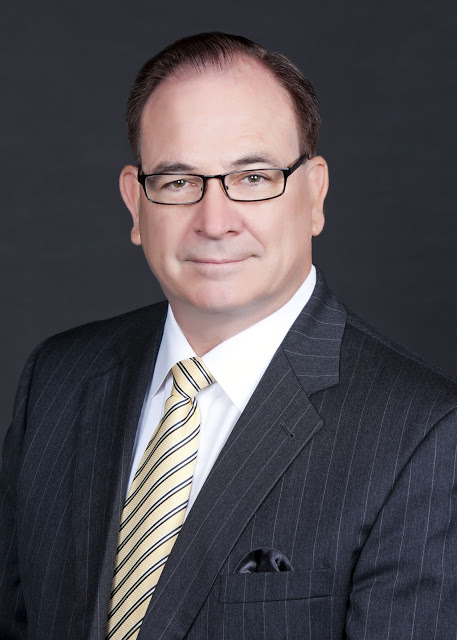
Bob Huff
RRepublican
Co

Robert M. Hertzberg
DDemocratic
Co

Scott Wilk
RRepublican
Ask Maddy
·
AI policy assistant
Ask Maddy about SB 380
Scope: CA
Hi! I can help you understand SB 380. What would you like to know?
Try one of these
i
Maddy answers using official bill text and legislative records. Always verify before sharing.
Sources cited inline