

Nurse practitioners: scope of practice.
Summary
The Nursing Practice Act provides for the licensure and regulation of nurse practitioners by the Board of Registered Nursing. The act authorizes the implementation of standardized procedures that authorize a nurse practitioner to perform certain acts, including ordering durable medical equipment in accordance with standardized procedures, certifying disability for purposes of unemployment insurance after physical examination and collaboration with a physician and surgeon, and, for an individual receiving home health services or personal care services, approving, signing, modifying, or adding to a plan of treatment or plan of care after consultation with a physician and surgeon. A violation of those provisions is a crime. This bill would authorize a nurse practitioner who holds a national certification from a national certifying body recognized by the board to practice without the supervision of a physician and surgeon, if the nurse practitioner meets existing requirements for nurse practitioners and practices in one of certain specified settings. The bill would prohibit entities described in those specified settings from interfering with, controlling, or otherwise directing the professional judgment of such a nurse practitioner, as specified, and would authorize such a nurse practitioner, in addition to any other practice authorized in statute or regulation, to perform specified acts, including the acts described above, without reference to standardized procedures or the specific need for the supervision of a physician and surgeon. The bill, instead, would require a nurse practitioner to refer a patient to a physician and surgeon or other licensed health care provider if a situation or condition of the patient is beyond the scope of the nurse practitioner's education and training. The bill would require a nurse practitioner practicing under these provisions to maintain professional liability insurance appropriate for the practice setting. By imposing new requirements on nurse practitioners, the violation of which would be a crime, this bill would impose a state-mandated local program. Existing law prohibits a licensee, as defined, from referring a person for laboratory, diagnostic, nuclear medicine, radiation oncology, physical therapy, physical rehabilitation, psychometric testing, home infusion therapy, or diagnostic imaging goods or services if the licensee or his or her immediate family has a financial interest with the person or entity that receives the referral, and makes a violation of that prohibition punishable as a misdemeanor. Under existing law, the Medical Board of California is required to review the facts and circumstances of any conviction for violating the prohibition, and to take appropriate disciplinary action if the licensee has committed unprofessional conduct. This bill would include a nurse practitioner, as specified, under the definition of a licensee, which would expand the scope of an existing crime and therefore impose a state-mandated local program. The bill would also require the Board of Registered Nursing to review the facts and circumstances of any conviction of a nurse practitioner, as specified, for violating that prohibition, and would require the board to take appropriate disciplinary action if the nurse practitioner has committed unprofessional conduct. Existing law provides for the professional review of specified healing arts licentiates through a peer review process. Existing law defines the term "licentiate" for those purposes to include, among others, a physician and surgeon. This bill would include a nurse practitioner, as specified, under the definition of licentiate, and would require the Board of Registered Nursing to disclose reports, as specified. The California Constitution requires the state to reimburse local agencies and school districts for certain costs mandated by the state. Statutory provisions establish procedures for making that reimbursement. This bill would provide that no reimbursement is required by this act for a specified reason.
Bill status
died
3 of 5 stages cleared
Introduction
Feb 2015
Committee Review
Jul 2015
Senate Passage
May 2015
Assembly Passage
Governor
Introduced Feb 23, 2015
Last action Jun 28, 2016
Floor votes · Senate May 7, 2015
How they voted
20–5
Passed · 7 other
Total votes 32
May 7, 2015
D
Democratic22
81% Yea
R
Republican10
40% Nay
Vote distribution
All Yea
All Nay
Mixed
No data
Full legislative history
Actions timeline
Total actions
23
Key actions
4
Committee
12
Jul 14, 2015
Lower · Passed
July 14 hearing postponed by committee.
lower
Jul 9, 2015
Committee
From committee with author's amendments. Read second time and amended. Re-referred to Com. on B. & P.
lower
Jul 7, 2015
Committee
From committee with author's amendments. Read second time and amended. Re-referred to Com. on B. & P.
lower
Jun 30, 2015
Committee
June 30 set for first hearing. Failed passage in committee. Reconsideration granted.
lower
Jun 23, 2015
Committee
From committee with author's amendments. Read second time and amended. Re-referred to Com. on B. & P.
lower
May 22, 2015
Committee
Referred to Com. on B. & P.
lower
May 7, 2015
Senate · Passed
Senate Vote: pass (20-5-7)
senate
May 4, 2015
Upper · Passed
From committee: Do pass. (Ayes 5. Noes 0. Page 884.) (May 4).
upper
Apr 22, 2015
Committee
Read second time and amended. Re-referred to Com. on APPR.
upper
Apr 21, 2015
Upper · Passed
From committee: Do pass as amended and re-refer to Com. on APPR. (Ayes 7. Noes 0. Page 699.) (April 20).
upper
Apr 7, 2015
Committee
Re-referred to Com. on B., P. & E.D.
upper
Mar 26, 2015
Committee
From committee with author's amendments. Read second time and amended. Re-referred to Com. on RLS.
upper
Mar 5, 2015
Committee
Referred to Com. on RLS.
upper
Feb 23, 2015
Introduced
Introduced. Read first time. To Com. on RLS. for assignment. To print.
upper
1 primary · 2 co-sponsors
Sponsors
Role
Legislator
Party
State
District
P
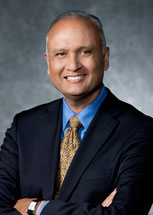
Ed Hernandez
DDemocratic
Co

Mark Stone
DDemocratic
Co
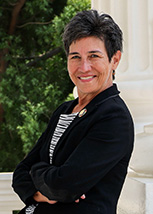
Susan Eggman
DDemocratic
Ask Maddy
·
AI policy assistant
Ask Maddy about SB 323
Scope: CA
Hi! I can help you understand SB 323. What would you like to know?
Try one of these
i
Maddy answers using official bill text and legislative records. Always verify before sharing.
Sources cited inline