

Minimum wage: in-home supportive services: paid sick days.
Summary
(1) Under existing law, the Healthy Workplaces, Healthy Families Act of 2014, an employee who, on or after July 1, 2015, works in California for the same employer for 30 or more days within a year from the commencement of employment is entitled to paid sick days, as specified. Existing law requires an employee to accrue paid sick days at the rate of not less than one hour per every 30 hours worked subject to specified use and accrual limitations. For the purposes of the act, an "employee" does not include a provider of in-home supportive services, as described. This bill, on and after July 1, 2018, would entitle a provider of in-home supportive services who works in California for 30 or more days within a year from the commencement of employment to paid sick days, subject to specified full amount of leave time amounts and that rate of accrual. The bill would require the State Department of Social Services, in consultation with stakeholders, to convene a workgroup to implement paid sick leave for in-home supportive services providers and to issue guidance in that regard by December 1, 2017. The bill would authorize the department to implement that paid sick leave without complying with the Administrative Procedure Act. (2) On and after July 1, 2014, existing law requires the minimum wage for all industries to be not less than $9 per hour. On and after January 1, 2016, existing law requires the minimum wage for all industries to be not less than $10 per hour. This bill would require the minimum wage for all industries to not be less than specified amounts to be increased from January 1, 2017, to January 1, 2022, inclusive, for employers employing 26 or more employees and from January 1, 2018, to January 1, 2023, inclusive, for employers employing 25 or fewer employees, except when the scheduled increases are temporarily suspended by the Governor, based on certain determinations. The bill would also require the Director of Finance, after the last scheduled minimum wage increase, to annually adjust the minimum wage under a specified formula. On or before July 28, 2017, and on or before every July 28 thereafter until the minimum wage is a specified amount for employers employing 26 or more employees, the bill would require the Director of Finance to annually determine, based on certain factors, whether economic conditions can support a scheduled minimum wage increase and certify that determination to the Governor and the Legislature. The bill would also require the State Board of Equalization to publish specified retail sales and use tax information on its Internet Web site to be used by the Director of Finance in making that determination. On or before July 28, 2017, and on or before every July 28 thereafter until the minimum wage is a specified amount for employers employing 26 or more employees, in order to ensure that the General Fund can support the next scheduled minimum wage increase, the bill would also require the Director of Finance to annually determine and certify to the Governor and the Legislature whether the General Fund would be in a deficit in the current fiscal year, or in either of the following 2 fiscal years.
Bill status
signed
all 5 stages cleared
Introduction
Dec 2014
Committee Review
Mar 2016
Senate Passage
Jun 2015
Assembly Passage
Mar 2016
Signed into Law
Apr 2016
Introduced Dec 1, 2014
Signed Apr 4, 2016
Floor votes · Senate Jun 2, 2015 · Assembly Mar 31, 2016
How they voted
20–11
Passed · 2 other
Total votes 33
Jun 2, 2015
D
Democratic23
86% Yea
R
Republican10
100% Nay
Vote distribution
All Yea
All Nay
Mixed
No data
Full legislative history
Actions timeline
Total actions
34
Key actions
8
Committee
13
Amendments
1
Apr 4, 2016
Signed into law
Approved by the Governor.
legislature
Mar 31, 2016
Assembly · Passed
Assembly Vote: pass (44-23-4)
assembly
Mar 31, 2016
Upper · Passed
Assembly amendments concurred in. (Ayes 26. Noes 12. Page 3356.) Ordered to engrossing and enrolling.
upper
Mar 31, 2016
Upper · Passed
From committee: That the Assembly amendments be concurred in. (Ayes 4. Noes 1. Page 3361.)
upper
Mar 31, 2016
Committee
From committee: Be re-referred to Com. on L. & I.R. pursuant to Senate Rule 29.10(d). (Ayes 3. Noes 1. Page 3354.) Re-referred to Com. on L. & I.R.
upper
Mar 31, 2016
Committee
Re-referred to Com. on RLS. pursuant to Senate Rule 29.10(d).
upper
Mar 31, 2016
Introduced
In Senate. Concurrence in Assembly amendments pending.
upper
Mar 30, 2016
Lower · Passed
From committee: Do pass. (Ayes 12. Noes 7.) (March 30).
lower
Mar 28, 2016
Committee
From committee with author's amendments. Read second time and amended. Re-referred to Com. on APPR.
lower
Aug 27, 2015
Lower · Passed
August 27 hearing postponed by committee.
lower
Jul 9, 2015
Committee
From committee: Do pass and re-refer to Com. on APPR. (Ayes 5. Noes 2.) (July 8). Re-referred to Com. on APPR.
lower
Jun 15, 2015
Committee
Referred to Com. on L. & E.
lower
Jun 2, 2015
Senate · Passed
Senate Vote: pass (20-11-2)
senate
May 28, 2015
Upper · Passed
From committee: Do pass. (Ayes 5. Noes 2. Page 1145.) (May 28).
upper
Apr 8, 2015
Committee
From committee: Do pass and re-refer to Com. on APPR. (Ayes 4. Noes 1. Page 1702.) (April 8). Re-referred to Com. on APPR.
upper
Mar 11, 2015
Committee
From committee with author's amendments. Read second time and amended. Re-referred to Com. on L. & I.R.
upper
Jan 15, 2015
Committee
Referred to Com. on L. & I.R.
upper
Dec 1, 2014
Introduced
Introduced. Read first time. To Com. on RLS. for assignment. To print.
upper
1 primary · 25 co-sponsors
Sponsors
Role
Legislator
Party
State
District
P
ML
Mark Leno
DDemocratic
Co
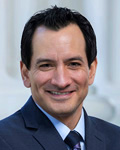
Anthony Rendon
DDemocratic
Co
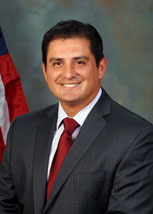
Ben Hueso
DDemocratic
Co

Bill Monning
DDemocratic
Co
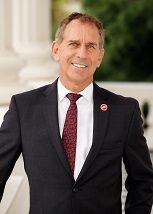
Bob Wieckowski
DDemocratic
Co
CL
Carol Liu
DDemocratic
Co

Connie M. Leyva
DDemocratic
Co
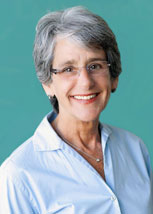
Hannah-Beth Jackson
DDemocratic
Co

Isadore Hall
DDemocratic
Co
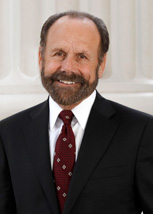
Jerry Hill
DDemocratic
Co

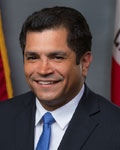
Jim Beall
DDemocratic





Ask Maddy
·
AI policy assistant
Ask Maddy about SB 3
Scope: CA
Hi! I can help you understand SB 3. What would you like to know?
Try one of these
i
Maddy answers using official bill text and legislative records. Always verify before sharing.
Sources cited inline