

Juries: criminal trials: peremptory challenges.
Summary
Existing law provides that in a criminal case when the offense charged is punishable by a maximum term of imprisonment that is more than 90 days, but is not punishable by death or imprisonment in the state prison for life, the defendant and the state are each entitled to 10 peremptory challenges. Existing law also provides that in those circumstances, when 2 or more defendants are jointly tried, their challenges shall be exercised jointly, but each defendant is entitled to 5 additional peremptory challenges that may be exercised separately, and the state is entitled to additional challenges equal to the number of additional challenges allowed to the defendants. Existing law provides that in a criminal case when the offense charged is punishable with a maximum term of imprisonment of 90 days or less, the defendant and the state are each entitled to 6 peremptory challenges. Existing law also provides that in those circumstances, when 2 or more defendants are jointly tried, their challenges shall be exercised jointly, but each defendant is entitled to 4 additional challenges that may be exercised separately, and the state is entitled to additional challenges equal to the number of additional challenges allowed to the defendants. This bill would instead, until January 1, 2021, reduce the number of peremptory challenges for some criminal cases by providing that in a criminal case when the offense charged is punishable with a maximum term of imprisonment of one year or less, the defendant and the state would be entitled to 6 peremptory challenges. The bill would provide that in those circumstances, when 2 or more defendants are jointly tried, their challenges would be exercised jointly, but each defendant would be entitled to 2 additional challenges that may be exercised separately, and the state would be entitled to additional challenges equal to the number of additional challenges allowed to the defendants. The bill would require the Judicial Council to conduct a study, and on or before January 1, 2020, to submit a report to the public safety committees of both houses of the Legislature, on the reductions in peremptory challenges resulting from the enactment of the bill, as specified.
Bill status
failed
3 of 5 stages cleared
Introduction
Feb 2015
Committee Review
May 2015
Senate Passage
May 2015
Assembly Passage
Governor
Introduced Feb 11, 2015
Last action Jun 23, 2016
Floor votes · Senate May 18, 2015
How they voted
29–1
Passed · 2 other
Total votes 32
May 18, 2015
D
Democratic22
86% Yea
R
Republican10
100% Yea
Vote distribution
All Yea
All Nay
Mixed
No data
Full legislative history
Actions timeline
Total actions
19
Key actions
4
Committee
5
Amendments
1
May 28, 2015
Committee
Referred to Com. on PUB. S.
lower
May 18, 2015
Senate · Passed
Senate Vote: pass (29-1-2)
senate
May 11, 2015
Upper · Passed
From committee: Be ordered to second reading pursuant to Senate Rule 28.8.
upper
Apr 29, 2015
Committee
Re-referred to Com. on APPR. pursuant to Joint Rule 10.5.
upper
Apr 28, 2015
Upper · Passed
Read second time and amended. Ordered to third reading.
upper
Apr 27, 2015
Upper · Passed
From committee: Do pass as amended. (Ayes 6. Noes 1. Page 729.) (April 21).
upper
Feb 19, 2015
Committee
Referred to Com. on PUB. S.
upper
Feb 11, 2015
Introduced
Introduced. Read first time. To Com. on RLS. for assignment. To print.
upper
1 primary · 0 co-sponsors
Sponsors
Role
Legislator
Party
State
District
P
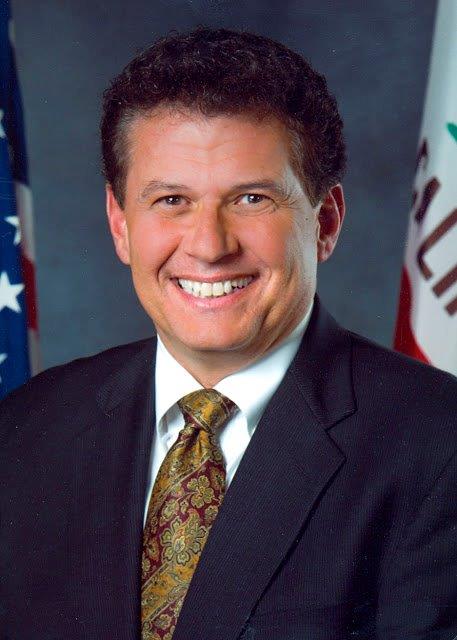
Marty Block
DDemocratic
Ask Maddy
·
AI policy assistant
Ask Maddy about SB 213
Scope: CA
Hi! I can help you understand SB 213. What would you like to know?
Try one of these
i
Maddy answers using official bill text and legislative records. Always verify before sharing.
Sources cited inline