

Sexual battery: consent defense: minor's sexual conduct.
Summary
Existing civil law makes a person who commits a sexual battery, as defined, upon another liable to that person for damages and authorizes a court to award equitable relief, as specified. Existing civil law provides that he or she who consents to an act is not wronged by it. This bill would prohibit consent from being a defense in any sexual battery civil action if the person committing the sexual battery is a specified adult who is in a position of authority and is able to exercise undue influence, as defined, over the minor. Under existing law, in any civil action alleging conduct which constitutes sexual harassment, sexual assault, or sexual battery, opinion evidence, reputation evidence, and evidence of specific instances of plaintiff's sexual conduct, or any of that evidence, is not admissible by the defendant in order to prove consent by the plaintiff or the absence of injury to the plaintiff. Existing law requires specified procedures to be followed in any civil action alleging conduct constituting sexual harassment, sexual assault, or sexual battery if evidence of sexual conduct of the plaintiff is offered to attack the credibility of the plaintiff, as specified. Existing law authorizes the court in its discretion to exclude evidence if its probative value is substantially outweighed by the probability that its admission will either necessitate undue consumption of time or create substantial danger of undue prejudice, confusing the issues, or misleading the jury. This bill, in any sexual battery civil action involving a minor and an adult who is in a position of authority as described above, would prohibit evidence of the plaintiff minor's sexual conduct with the defendant adult from being admissible to prove consent by the plaintiff or the absence of injury to the plaintiff. The bill would authorize such evidence of the plaintiff's sexual conduct to be introduced only to attack the credibility of the plaintiff or to prove something other than consent by the plaintiff if, upon a hearing of the court out of the presence of the jury, the defendant proves that the probative value of that evidence outweighs the prejudice to the plaintiff, as specified.
Bill status
signed
all 5 stages cleared
Introduction
Dec 2014
Committee Review
Jun 2015
Senate Passage
Apr 2015
Assembly Passage
Jul 2015
Signed into Law
Jul 2015
Introduced Dec 1, 2014
Signed Jul 16, 2015
Floor votes · Senate Apr 16, 2015 · Assembly Jul 6, 2015
How they voted
32–0
Passed
Total votes 32
Apr 16, 2015
D
Democratic22
100% Yea
R
Republican10
100% Yea
Vote distribution
All Yea
All Nay
Mixed
No data
Full legislative history
Actions timeline
Total actions
19
Key actions
6
Committee
5
Amendments
1
Jul 16, 2015
Signed into law
Approved by the Governor.
legislature
Jul 6, 2015
Assembly · Passed
Assembly Vote: pass (70-0-2)
assembly
Jun 16, 2015
Lower · Passed
From committee: Do pass. (Ayes 10. Noes 0.) (June 16).
lower
May 14, 2015
Committee
Referred to Com. on JUD.
lower
Apr 16, 2015
Senate · Passed
Senate Vote: pass (32-0)
senate
Apr 14, 2015
Upper · Passed
Read second time and amended. Ordered to third reading.
upper
Apr 13, 2015
Upper · Passed
From committee: Do pass as amended. (Ayes 6. Noes 0. Page 525.) (April 7).
upper
Mar 16, 2015
Committee
From committee with author's amendments. Read second time and amended. Re-referred to Com. on JUD.
upper
Jan 15, 2015
Committee
Referred to Com. on JUD.
upper
Dec 1, 2014
Introduced
Introduced. Read first time. To Com. on RLS. for assignment. To print.
upper
1 primary · 10 co-sponsors
Sponsors
Role
Legislator
Party
State
District
P

Ricardo Lara
DDemocratic
Co
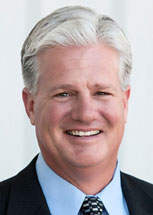
Andy Vidak
RRepublican
Co
BM
Brian Maienschein
DDemocratic
Co

Freddie Rodriguez
DDemocratic
Co
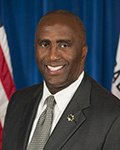
Jim Cooper
DDemocratic
Co
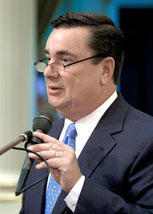
Joel Anderson
RRepublican
Co
KO
Kristin Olsen
RRepublican
Co

Lorena Gonzalez
DDemocratic
Co

Marc Steinorth
RRepublican
Co

Mark Stone
DDemocratic
Co
RJ
Rocky J. Chávez
RRepublican
Ask Maddy
·
AI policy assistant
Ask Maddy about SB 14
Scope: CA
Hi! I can help you understand SB 14. What would you like to know?
Try one of these
i
Maddy answers using official bill text and legislative records. Always verify before sharing.
Sources cited inline