

State Board of Optometry: optometrists: nonresident contact lens sellers: registered dispensing opticians.
Summary
Existing law prohibits a licensed optometrist and a registered dispensing optician from having any membership, proprietary interest, coownership, landlord-tenant relationship, or any profit-sharing arrangement in any form, directly or indirectly, with each other. Existing law prohibits a licensed optometrist from having any membership, proprietary interest, coownership, landlord-tenant relationship, or any profit-sharing arrangement in any form, directly or indirectly, either by stock ownership, interlocking directors, trusteeship, mortgage, trust deed, or otherwise with any person who is engaged in the manufacture, sale, or distribution to physicians and surgeons, optometrists, or dispensing opticians of lenses, frames, optical supplies, optometric appliances or devices or kindred products. Existing law makes a violation of these provisions by a licensed optometrist and any other persons, whether or not a healing arts licensee, who participates with a licensed optometrist, subject to a crime. Under existing law, the Medical Board of California is responsible for the registration and regulation of nonresident contact lens sellers and dispensing opticians. Existing law requires fees collected from nonresident contact lens sellers to be deposited in the Dispensing Opticians Fund, and to be available, upon appropriation, to the Medical Board of California. Existing law requires fees collected from registered dispensing optician to be paid into the Contingent Fund of the Medical Board of California. Existing law makes a violation of the registered dispensing optician provisions a crime. Existing law, the Optometry Practice Act, makes the State Board of Optometry responsible for the licensure and regulation of optometrists. A violation of the Optometry Practice Act is a crime. Existing law, the Knox-Keene Health Care Service Plan Act of 1975, provides for the licensure and regulation of health care service plans by the Department of Managed Health Care and makes a willful violation of the act a crime. This bill would repeal those prohibitions. The bill would prohibit a licensed optometrist from having any membership, proprietary interest, coownership, or any profit-sharing arrangement, either by stock ownership, interlocking directors, trusteeship, mortgage, or trust deed, with any registered dispensing optician or any optical company, as defined, except as otherwise authorized. The bill would authorize a registered dispensing optician or optical company to operate, own, or have an ownership interest in a health plan, defined as a licensed health care service plan, if the health plan does not directly employ optometrists to provide optometric services directly to enrollees of the health plan, and would also provide for the direct or indirect provision of products and services to the health plan or its contracted providers or enrollees or to other optometrists, as specified. The bill would authorize an optometrist, a registered dispensing optician, an optical company, or a health plan to execute a lease or other written agreement giving rise to a direct or indirect landlord-tenant relationship with an optometrist if specified conditions are contained in a written agreement, as provided. The bill would authorize the State Board of Optometry, to inspect, upon request, an individual lease agreement, and the bill would require the landlord or tenant to comply. Because the failure to comply with that request would be a crime under specified acts, the bill would impose a state-mandated local program. The bill would prohibit a registered dispensing optician from having any membership, proprietary interest, coownership, or profit sharing arrangement either by stock ownership, interlocking directors, trusteeship, mortgage, or trust deed, with an optometrist, except as authorized. The bill would make a violation of these provisions a crime. By creating a new crime, the bill would impose a state-mandated local program. This bill would instead make the State Board of Optometry responsible for the registration and regulation of nonresident contact lens sellers and dispensing opticians. The bill would direct fees collected from registered dispensing opticians and persons seeking registration as a dispensing optician to be paid into the Dispensing Opticians Fund, and to be available, upon appropriation, to the State Board of Optometry. The bill would make various conforming changes in that regard. Existing law requires each registered dispensing optician to conspicuously and prominently display at each registered location the name of the registrant's employee who is currently designated to handle customer inquiries and complaints and the telephone number where he or she may be reached during business hours. This bill would instead require specified consumer information to be displayed. Because a violation of the registered dispensing provisions would be a crime, the bill would impose a state-mandated local program. Existing law makes it unlawful to, among other things, advertise the furnishing of, or to furnish, the services of a refractionist, an optometrist, or a physician and surgeon, or to directly or indirectly employ or maintain on or near the premises used for optical dispensing, a refractionist, an optometrist, a physician and surgeon, or a practitioner of any other profession for the purpose of any examination or treatment of the eyes. This bill, except as specified, would make it unlawful for a registered dispensing optician to, among other things, advertise the furnishing of, or to furnish, the services of an optometrist or a physician and surgeon or to directly employ an optometrist or physician and surgeon for the purpose of any examination or treatment of the eyes. The bill would authorize the State Board of Optometry, by regulation, to impose and issue administrative fines and citations for a violation of these provisions, as specified. The bill would require all licensed optometrists in a setting with a registered dispensing optician to report the business relationship to the State Board of Optometry. The bill would authorize the State Board of Optometry to inspect any premises at which the business of a registered dispensing optician is co-located with the practice of an optometrist for the purposes of determining compliance with the aforementioned written lease agreement provisions. The bill would also authorize the State Board of Optometry to take disciplinary action against a party who fails to comply with the inspection and would require the State Board of Optometry to provide specified copies of the inspection results. Because would be a crime a violation of the registered dispensing provisions would be a crime, the bill would impose a state-mandated local program This bill, until January 1, 2019, would prohibit an individual, corporation, or firm operating as a registered dispensing optician before the effective date of the bill, or an employee of such an entity, from being subject to any action for engaging in that aforementioned unlawful conduct. Because a violation of the registered dispensing provisions would be a crime, the bill would impose a state-mandated local program. The bill would require any health plan subject to these provisions to report to the State Board of Optometry in writing that certain percentages of its locations no longer employ an optometrist by specified dates. The bill would require the State Board of Optometry to provide those reports to the Director of Consumer Affairs and the Legislature. Under existing law, the State Board of Optometry consists of 11 members, 6 licensee members and 5 public members. This bill would require one of the nonpublic members to be a registered dispensing optician and would require the Governor to make that appointment. The bill would establish a dispensing optician committee to advise and make recommendations to the board regarding the regulation of dispensing opticians, as provided. The bill would require the advisory committee to consist of 5 members, including 2 registered dispensing opticians, 2 public members, and a member of the State Board of Optometry. Existing constitutional provisions require that a statute that limits the right of access to the meetings of public bodies or the writings of public officials and agencies be adopted with findings demonstrating the interest protected by the limitation and the need for protecting that interest. This bill would make legislative findings to that effect. The California Constitution requires the state to reimburse local agencies and school districts for certain costs mandated by the state. Statutory provisions establish procedures for making that reimbursement. This bill would provide that no reimbursement is required by this act for a specified reason.
Bill status
signed
all 5 stages cleared
Introduction
Feb 2015
Committee Review
Sep 2015
Assembly Passage
May 2015
Senate Passage
Sep 2015
Signed into Law
Oct 2015
Introduced Feb 25, 2015
Signed Oct 1, 2015
Floor votes · Senate Sep 12, 2015 · Assembly Sep 12, 2015
How they voted
32–0
Passed · 1 other
Total votes 33
Sep 12, 2015
D
Democratic23
95% Yea
R
Republican10
100% Yea
Vote distribution
All Yea
All Nay
Mixed
No data
Full legislative history
Actions timeline
Total actions
41
Key actions
10
Committee
20
Amendments
6
Oct 1, 2015
Signed into law
Approved by the Governor.
legislature
Sep 12, 2015
Senate · Passed
Senate Vote: pass (32-0-1)
senate
Sep 11, 2015
Lower · Passed
Senate amendments concurred in. To Engrossing and Enrolling. (Ayes 78. Noes 0. Page 3204.).
lower
Sep 11, 2015
Introduced
In Assembly. Concurrence in Senate amendments pending.
lower
Sep 10, 2015
Upper · Passed
From committee: Do pass. (Ayes 8. Noes 0.) (September 10).
upper
Sep 9, 2015
Committee
Re-referred to Com. on B., P. & E.D.
upper
Sep 4, 2015
Committee
From committee chair, with author's amendments: Amend, and re-refer to committee. Read second time, amended, and re-referred to Com. on RLS.
upper
Sep 1, 2015
Committee
Read second time and amended. Re-referred to Com. on RLS.
upper
Aug 31, 2015
Introduced
From committee: Amend, and do pass as amended and re-refer to Com. on RLS. (Ayes 5. Noes 0.) (August 27).
upper
Aug 24, 2015
Committee
In committee: Referred to APPR. suspense file.
upper
Aug 17, 2015
Upper · Passed
In committee: Hearing postponed by committee.
upper
Jul 7, 2015
Committee
From committee: Do pass and re-refer to Com. on APPR. (Ayes 7. Noes 0.) (July 6). Re-referred to Com. on APPR.
upper
Jun 30, 2015
Committee
From committee chair, with author's amendments: Amend, and re-refer to committee. Read second time, amended, and re-referred to Com. on B., P. & E.D.
upper
Jun 16, 2015
Upper · Passed
In committee: Set, first hearing. Hearing canceled at the request of author.
upper
Jun 4, 2015
Committee
Referred to Com. on B., P. & E.D.
upper
May 20, 2015
Lower · Passed
From committee: Do pass. To Consent Calendar. (Ayes 15. Noes 0.) (May 20).
lower
May 12, 2015
Committee
Re-referred to Com. on APPR.
lower
May 11, 2015
Lower · Passed
Read second time and amended.
lower
May 7, 2015
Introduced
From committee: Amend, and do pass as amended and re-refer to Com. on APPR. (Ayes 14. Noes 0.) (May 7).
lower
May 7, 2015
Committee
From committee: Be re-referred to Com. on B. & P. Re-referred. (Ayes 8. Noes 0.) (May 7). Re-referred to Com. on B. & P.
lower
May 4, 2015
Committee
Re-referred to Com. on RLS. pursuant to Assembly Rule 96.
lower
May 4, 2015
Committee
Re-referred to Com. on APPR.
lower
Apr 30, 2015
Lower · Passed
Read second time and amended.
lower
Apr 29, 2015
Introduced
From committee: Amend, and re-refer to Com. on APPR. (Ayes 17. Noes 0.) (April 29).
lower
Apr 27, 2015
Committee
Re-referred to Com. on APPR.
lower
Apr 14, 2015
Committee
From committee: Do pass and re-refer to Com. on APPR. with recommendation: To Consent Calendar. (Ayes 14. Noes 0.) (April 14). Re-referred to Com. on APPR.
lower
Mar 9, 2015
Committee
Referred to Com. on B. & P.
lower
Feb 26, 2015
Lower · Passed
From printer. May be heard in committee March 28.
lower
1 primary · 0 co-sponsors
Sponsors
Role
Legislator
Party
State
District
P
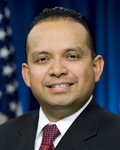
Luis Alejo
DDemocratic
Ask Maddy
·
AI policy assistant
Ask Maddy about AB 684
Scope: CA
Hi! I can help you understand AB 684. What would you like to know?
Try one of these
i
Maddy answers using official bill text and legislative records. Always verify before sharing.
Sources cited inline