

Developmental services: funding.
Summary
The Lanterman Developmental Disabilities Services Act requires the State Department of Developmental Services to contract with regional centers to provide services and supports to individuals with developmental disabilities. Under existing law, the regional centers purchase needed services for individuals with developmental disabilities through approved service providers or arrange for those services through other publicly funded agencies. This bill would require the department to submit a plan to the Legislature by August 1, 2017, to ensure the sustainability, quality, and transparency of community-based services for individuals with developmental disabilities. The bill would require the department to regularly consult with stakeholders in developing the plan and would require the plan to address specified topics, including, among others, recommendations for a comprehensive approach to funding regional center operations in a sustainable and transparent manner that enables regional centers to deliver high-quality services to consumers. Existing law requires that contracts or agreements between regional centers and service providers in which the rates between the regional center and the service provider are determined through negotiations to ensure that not more than 15% of regional center funds be spent on administrative costs, as described. This bill would instead provide that the percentage of the funds that may be spent on administrative costs varies depending on the total value, annually, of the payments received by a service provider from all regional centers. Existing law establishes specified rates to be paid to certain service providers and the rates to be paid for certain developmental services. Existing law requires that rates to be paid to other developmental service providers either be set by the department or negotiated between the regional center and the service provider. Existing law prohibits certain provider rate increases, but authorizes increases to those rates as necessary to adjust employee wages to meet the state minimum wage law. This bill would increase the rates established by existing law, as specified, and would require an increase to the rates set by the department and the rates negotiated between regional centers and service providers, as specified. The bill would also require the department, when setting rates for community care facilities serving people with developmental disabilities, to ensure that the rates permit the viability of those facilities by establishing different rates for each facility size, as determined by the number of beds available, that reflect reasonable differences in the cost structure of facilities with differing numbers of beds. The bill would require the department to adopt emergency regulations implementing that provision. Existing law requires each regional center to submit, on or before August 1 of each year, to the department and the State Council on Developmental Disabilities a program budget plan for the subsequent budget year. Existing law provides that, to the extent feasible, all funds appropriated for developmental disabilities programs be allocated to those programs by August 1 of each year and designates the department as the agency responsible for the processing, audit, and payment of funds made available to regional centers. This bill would require the department to increase the funding paid to a regional center for the regional center's operating budget, beginning July 1, 2016, by 10% above the amount the regional center otherwise would have received under the department's core staffing formula, and, beginning July 1, 2017, by 10% above the amount the regional center otherwise would have received under the department's core staffing formula, plus a percentage equal to the percentage of any increase in the California Consumer Price Index since July 1, 2016. The bill would also require the department to increase the funding provided to a regional center to enable the regional center and the regional center's purchase-of-service vendors to fund certain costs related to minimum wage requirements. This bill would declare that it is to take effect immediately as an urgency statute.
Bill status
in committee
1 of 4 stages cleared
Introduction
Jan 2016
Committee Review
Floor Vote
Governor
Introduced Jan 4, 2016
Last action Apr 12, 2016
Floor votes
How they voted
No floor votes recorded yet.
Full legislative history
Actions timeline
Total actions
4
Key actions
2
Committee
3
Apr 12, 2016
Lower · Passed
In committee: Set, first hearing. Hearing canceled at the request of author.
lower
Mar 17, 2016
Committee
Referred to Com. on HUM. S.
lower
Jan 5, 2016
Lower · Passed
From printer. May be heard in committee February 4.
lower
1 primary · 10 co-sponsors
Sponsors
Role
Legislator
Party
State
District
P
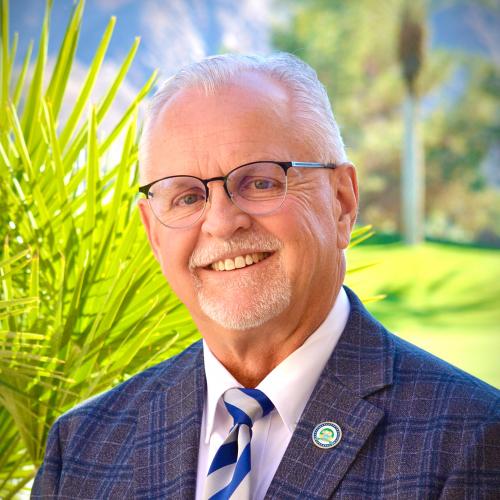
Tom Lackey
RRepublican
Co
BM
Brian Maienschein
DDemocratic
Co
Catharine B. Baker
RRepublican
Co
Chad Mayes
IIndependent
Co
Eric Linder
RRepublican
Co
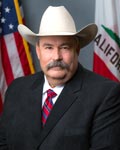
Frank Bigelow
RRepublican
Co
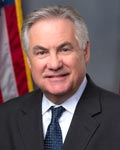
Jim Patterson
RRepublican
Co
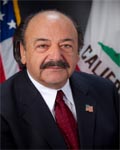
Katcho Achadjian
RRepublican
Co
RJ
Rocky J. Chávez
RRepublican
Co
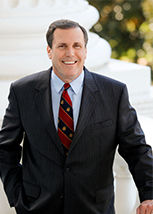
Scott Wilk
RRepublican
Co
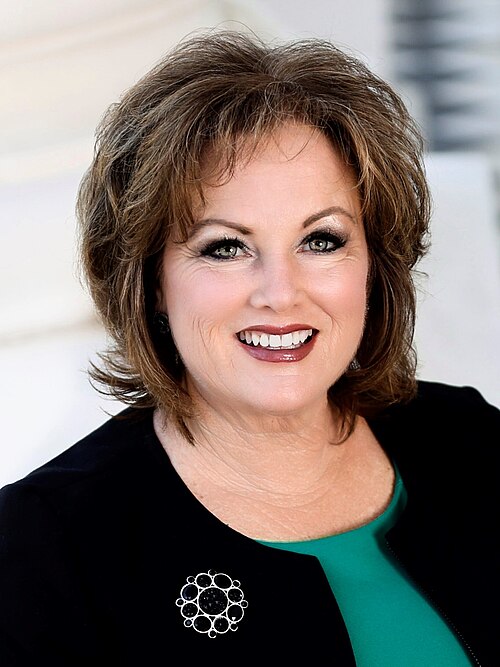
Shannon Grove
RRepublican
Ask Maddy
·
AI policy assistant
Ask Maddy about AB 1565
Scope: CA
Hi! I can help you understand AB 1565. What would you like to know?
Try one of these
i
Maddy answers using official bill text and legislative records. Always verify before sharing.
Sources cited inline