

Public transportation employees: strikes: prohibition.
Summary
Existing law prescribes procedures governing disputes between exclusive bargaining representatives of public transportation employees and local agencies, and authorizes the Governor, when it appears a strike will significantly disrupt transportation services and endanger public health, safety, and welfare, to appoint a board to investigate issues in connection with these labor negotiations and make a report. Existing law prohibits a strike during the period of investigation and permits the Governor, upon receiving a report from a board of investigation, to request the Attorney General to petition a court to enjoin the strike, as specified. This bill would repeal those provisions that authorize the Governor to appoint a board to investigate when it appears a strike will significantly disrupt transportation services, prohibit a strike during the period of investigation, and that authorize the Governor to request the Attorney General to petition a court to enjoin the strike. The bill would instead prohibit a state or local public transportation employee or public transportation employee organization from engaging in, causing, instigating, encouraging, or condoning a strike. The bill would also provide that a person who, on behalf of a public transportation employer, exercises authority, supervision, or direction over a public transportation employee shall not have the power to, and shall not purport to, authorize, approve, condone, or consent to a strike by a public transportation employee. The bill would establish a process for a public transportation employee to object to a determination by the chief executive officer of the public transportation employer that he or she violated these provisions by filing a sworn affidavit under penalty of perjury, thus expanding the definition of a crime. The bill would require the chief executive officer, if he or she determines that the objection raises a question of fact that if resolved in favor of the employee would establish that the employee did not commit the violation, to appoint an officer to conduct a hearing on the matter at which the employee would bear the burden of proving by a preponderance of the evidence that he or she did not commit the violation, as specified. The bill would require the Public Employment Relations Board to hold a hearing to determine whether an employee organization violated these provisions, and would require the employer and the employee organization to be permitted to be represented by counsel. The bill would provide that a public transportation employee who violates these provisions is subject to removal or other disciplinary action, and would authorize the chief financial officer of the employer to deduct from the compensation of a public transportation employee found to have violated these provisions an amount equal to twice his or her daily rate of pay for each day or part thereof that it was determined that he or she violated these provisions. The bill would also require the board, if it determines that an employee organization violated these provisions, to order forfeiture of specified rights granted by state law to recognized employee organizations. The bill would also require the chief executive officer of the employer, within 60 days of the end of a strike, to prepare a written report, to be made public, that contains specified information regarding the circumstances surrounding the strike, the names of those public transit employees who the chief executive officer has reason to believe were responsible for causing, instigating, or encouraging the strike, and the sanctions imposed or proceedings pending against those employees. Because the bill would expand the definition of a crime and require local officers to perform additional duties, the bill would impose a state-mandated local program. The California Constitution requires the state to reimburse local agencies and school districts for certain costs mandated by the state. Statutory provisions establish procedures for making that reimbursement. This bill would provide that with regard to certain mandates no reimbursement is required by this act for a specified reason. With regard to any other mandates, this bill would provide that, if the Commission on State Mandates determines that the bill contains costs so mandated by the state, reimbursement for those costs shall be made pursuant to the statutory provisions noted above.
Bill status
died
1 of 4 stages cleared
Introduction
Feb 2013
Committee Review
Floor Vote
Governor
Introduced Feb 21, 2013
Last action Feb 3, 2014
Floor votes
How they voted
No floor votes recorded yet.
Full legislative history
Actions timeline
Total actions
10
Key actions
2
Committee
5
Jan 13, 2014
Committee
Set, first hearing. Failed passage in committee. (Ayes 2. Noes 3. Page 2590.) Reconsideration granted.
upper
Jan 9, 2014
Committee
Re-referred to Com. on P.E. & R.
upper
Jan 6, 2014
Upper · Passed
From committee with author's amendments. Read second time and amended. Re-referred to Com. on RLS.
upper
Sep 12, 2013
Upper · Passed
From committee with author's amendments. Read second time and amended. Re-referred to Com. on RLS.
upper
Mar 11, 2013
Committee
Referred to Com. on RLS.
upper
1 primary · 3 co-sponsors
Sponsors
Role
Legislator
Party
State
District
P
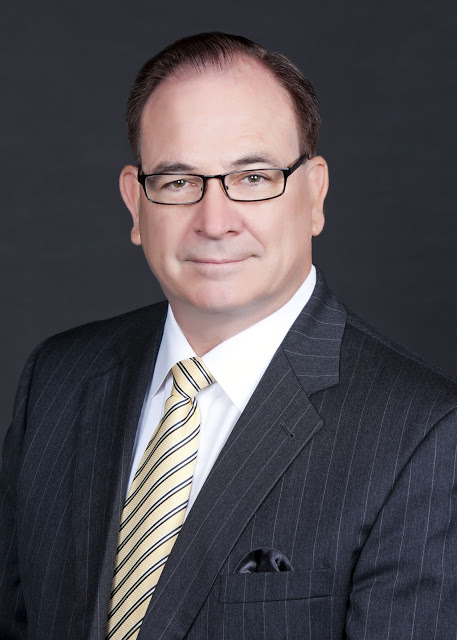
Bob Huff
RRepublican
Co
CC
Connie Conway
RRepublican
Co
Jim Nielsen
RRepublican
Co
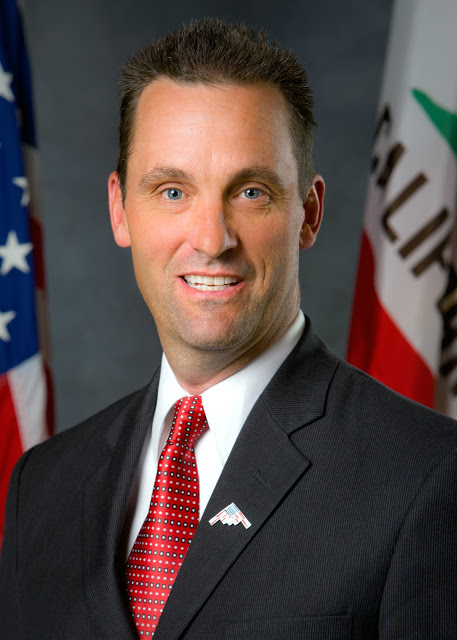
Steve Knight
RRepublican
Ask Maddy
·
AI policy assistant
Ask Maddy about SB 423
Scope: CA
Hi! I can help you understand SB 423. What would you like to know?
Try one of these
i
Maddy answers using official bill text and legislative records. Always verify before sharing.
Sources cited inline