

Tribal gaming: local agencies.
Summary
Existing law creates in the State Treasury the Indian Gaming Special Distribution Fund for the receipt and deposit of moneys received by the state from certain Indian tribes pursuant to the terms of gaming compacts entered into with the state. Existing law authorizes moneys in that fund to be used for specified purposes, including for grants for the support of state and local government agencies impacted by tribal government gaming. Existing law, until January 1, 2021, creates a County Tribal Casino Account in the treasury of each county that contains a tribal casino, which is funded according to specified formulas. Existing law requires the Controller to divide the County Tribal Casino Account for each county that has gaming devices that are subject to an obligation to make contributions to the Indian Gaming Special Distribution Fund into a separate account, known as an Individual Tribal Casino Account, for each tribe that operates a casino within the county. Each Individual Tribal Casino Account is required to be funded in proportion to the amount that each individual tribe paid in the prior fiscal year to the Indian Gaming Special Distribution Fund, and used for grants to local agencies impacted by tribal casinos, as specified. Existing law establishes an Indian Gaming Local Community Benefit Committee in each county in which gaming is conducted, specifies the composition and responsibilities of that committee, and requires that committee to make the selection of grants from the casino accounts. Among other things, the committee is responsible for establishing all application policies and procedures for grants from the casino accounts. Existing law requires funds not allocated from a County Tribal Casino Account or an Individual Tribal Casino Account for the grants by the end of each fiscal year to revert back to the Indian Gaming Special Distribution Fund, except for moneys allocated for specified fiscal years, which are required to be eligible for expenditure through the calendar year. This bill would delete the obsolete provisions relating to allocations made in those specified fiscal years.
Bill status
died
3 of 5 stages cleared
Introduction
Feb 2014
Committee Review
Jun 2014
Assembly Passage
May 2014
Senate Passage
Governor
Introduced Feb 20, 2014
Last action Nov 30, 2014
Floor votes · Assembly May 15, 2014
How they voted
72–0
Passed · 5 other
Total votes 77
May 15, 2014
D
Democratic55
96% Yea
R
Republican22
86% Yea
Vote distribution
All Yea
All Nay
Mixed
No data
Full legislative history
Actions timeline
Total actions
13
Key actions
4
Committee
5
Jun 24, 2014
Upper · Passed
From committee: Do pass. To consent calendar. (Ayes 10. Noes 0.) (June 24).
upper
May 22, 2014
Committee
Referred to Com. on G.O.
upper
May 15, 2014
Assembly · Passed
Assembly Vote: pass (72-0-5)
assembly
May 8, 2014
Lower · Passed
From committee: Do pass. (Ayes 17. Noes 0.) (May 7).
lower
Mar 3, 2014
Committee
Referred to Com. on G.O.
lower
Feb 21, 2014
Lower · Passed
From printer. May be heard in committee March 23.
lower
1 primary · 0 co-sponsors
Sponsors
Role
Legislator
Party
State
District
P
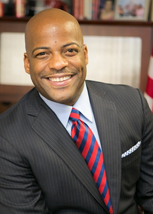
Isadore Hall
DDemocratic
Ask Maddy
·
AI policy assistant
Ask Maddy about AB 2066
Scope: CA
Hi! I can help you understand AB 2066. What would you like to know?
Try one of these
i
Maddy answers using official bill text and legislative records. Always verify before sharing.
Sources cited inline