

Solid waste: single-use carryout bags.
Summary
Existing law, until January 1, 2020, requires an operator of a store, as defined, to establish an at-store recycling program that provides to customers the opportunity to return clean plastic carryout bags to that store. With specified exceptions, this bill, as of January 1, 2015, would prohibit stores that have a specified amount of dollar sales or retail floor space from providing a single-use carryout bag to a customer. The bill would require these stores to meet other specified requirements regarding providing recycled paper bags and compostable bags to customers. The bill would require these stores to make reusable grocery bags available to customers. The bill would, on and after July 1, 2016, additionally impose these prohibitions and requirements on convenience food stores, foodmarts, and certain other specified stores. The bill, beginning January 1, 2016, would require reusable grocery bags that are sold or provided to a store by a reusable grocery bag producer meet specified requirements, and would require a producer to provide an independent certification to the Department of Resources Recycling and Recovery that the bags meet the requirements, and to pay a specified fee. The bill would require the department to deposit all penalties collected for violations of these requirements into the Reusable Bag Account, which would be established by the bill in the Integrated Waste Management Fund. The bill would require that moneys in the account be expended by the department, upon appropriation by the Legislature, to implement these requirements. The bill would allow a city, county, or city and county, or the state to impose civil penalties for a violation of the bill's requirements, except for the certification requirements. The bill would require these civil penalties to be paid to the office of the city attorney, city prosecutor, district attorney, or Attorney General, whichever office brought the action, and would allow the penalties collected by the Attorney General to be expended by the Attorney General, upon appropriation by the Legislature, to enforce the bill's provisions. The bill would provide that these remedies are not exclusive, as specified. This bill would prohibit enforcement and implementation of local ordinances and other local regulations on this subject that were enacted on or after January 1, 2014, as specified.
Bill status
died
1 of 4 stages cleared
Introduction
Jan 2013
Committee Review
Floor Vote
Governor
Introduced Jan 22, 2013
Last action Feb 3, 2014
Floor votes
How they voted
No floor votes recorded yet.
Full legislative history
Actions timeline
Total actions
15
Key actions
4
Committee
8
Amendments
1
Jan 27, 2014
Lower · Passed
From committee: Do pass as amended. (Ayes 11. Noes 4.) (January 23).
lower
May 24, 2013
Lower · Passed
In committee: Hearing postponed by committee.
lower
May 8, 2013
Committee
In committee: Set, first hearing. Referred to APPR. suspense file.
lower
Apr 10, 2013
Committee
Re-referred to Com. on APPR.
lower
Apr 8, 2013
Lower · Passed
From committee: Do pass as amended and re-refer to Com. on APPR. (Ayes 6. Noes 3.) (April 1).
lower
Mar 21, 2013
Committee
Re-referred to Com. on NAT. RES.
lower
Mar 20, 2013
Introduced
From committee chair, with author's amendments: Amend, and re-refer to Com. on NAT. RES. Read second time and amended.
lower
Jan 31, 2013
Committee
Referred to Com. on NAT. RES.
lower
Jan 23, 2013
Lower · Passed
From printer. May be heard in committee February 22.
lower
1 primary · 4 co-sponsors
Sponsors
Role
Legislator
Party
State
District
P

Marc Levine
DDemocratic
Co

Jerry Hill
DDemocratic
Co
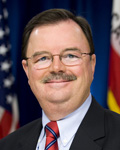
Richard Gordon
DDemocratic
Co
TA
Tom Ammiano
DDemocratic
Co
WC
Wesley Chesbro
DDemocratic
Ask Maddy
·
AI policy assistant
Ask Maddy about AB 158
Scope: CA
Hi! I can help you understand AB 158. What would you like to know?
Try one of these
i
Maddy answers using official bill text and legislative records. Always verify before sharing.
Sources cited inline