

Residential care facilities for the elderly: resident and family councils.
Summary
Existing law provides for the licensure and regulation of residential care facilities for the elderly by the State Department of Social Services and makes a violation of those provisions punishable as a misdemeanor, except as specified. Existing law requires every licensed residential care facility for the elderly, at the request of a majority of its residents, to assist the residents in establishing and maintaining a resident-oriented facility council. Existing law requires the council to be composed of residents of the facility and authorizes the inclusion of family members of residents of the facility on the council. Existing law authorizes the council to, among other things, make recommendations to facility administrators to improve the quality of daily living in the facility and negotiate to protect residents' rights with facility administrators. Existing law authorizes the assessment of specified civil fines for violations of this provision. This bill would instead require every licensed residential care facility for the elderly, at the request of 2 or more residents, to assist the residents in establishing and maintaining a single resident council, as specified. The bill would authorize family members, resident representatives, advocates, long-term care ombudsman program representatives, facility staff, or others to participate in resident council meetings and activities at the invitation of the council. The bill would authorize a resident council to, among other things, make recommendations to facility administrators to improve the quality of daily living and care in the facility and to promote and protect residents' rights. The bill would require facilities to respond in writing within 14 calendar days regarding any action or inaction taken in response to written concerns or recommendations submitted by the resident council. The bill would impose certain requirements on facilities relating to the promotion of resident councils, as specified. The bill would require a facility with a resident council and a licensed capacity of 16 or more residents to appoint a designated staff liaison who shall be responsible for providing assistance to the resident council, as specified. The bill would prohibit facilities from willfully interfering with the formation, maintenance, or promotion of a resident council, as specified. The bill would require this provision to be posted in a prominent place, as specified. The bill would provide that a violation of these provisions is not a crime, but would impose a daily $250 civil penalty for a violation of these provisions, as specified. Existing law prohibits a facility from prohibiting the formation of a family council, which is defined to mean a meeting of family members, friends, responsible parties, or agents of 2 or more residents to confer in private without facility staff. This bill would authorize facility personnel or visitors to attend a family council meeting only at the council's invitation and would require a facility to respond in writing within 14 calendar days regarding any action or inaction taken in response to written concerns or recommendations submitted by the family council. The bill would require a facility to provide specified notice regarding the existence of, or right to, form a family council. The bill would require a facility with a family council and a licensed capacity of 16 or more residents to appoint a designated staff liaison who shall be responsible for providing assistance to the family council, as specified. The bill would prohibit a facility from willfully interfering with the formation, maintenance, or promotion of a family council, or its participation in the regulatory inspection process, as specified. The bill would provide that a violation of these provisions is not a crime, but would impose a daily $250 civil penalty for a violation of these provisions, as specified.
Bill status
signed
all 5 stages cleared
Introduction
Jan 2014
Committee Review
Jul 2014
Assembly Passage
May 2014
Senate Passage
Jul 2014
Signed into Law
Jul 2014
Introduced Jan 30, 2014
Signed Jul 23, 2014
Floor votes · Senate Jul 3, 2014 · Assembly May 5, 2014
How they voted
31–0
Passed · 5 other
Total votes 36
Jul 3, 2014
D
Democratic26
84% Yea
R
Republican10
90% Yea
Vote distribution
All Yea
All Nay
Mixed
No data
Full legislative history
Actions timeline
Total actions
24
Key actions
9
Committee
10
Amendments
1
Jul 23, 2014
Signed into law
Approved by the Governor.
legislature
Jul 3, 2014
Senate · Passed
Senate Vote: pass (31-0-5)
senate
Jul 3, 2014
Lower · Passed
In Assembly. Ordered to Engrossing and Enrolling.
lower
Jun 23, 2014
Upper · Passed
From committee: Be placed on second reading file pursuant to Senate Rule 28.8.
upper
Jun 11, 2014
Upper · Passed
From committee: Do pass and re-refer to Com. on APPR. (Ayes 4. Noes 0.) (June 10). Re-referred to Com. on APPR.
upper
May 15, 2014
Committee
Referred to Com. on HUMAN S.
upper
May 5, 2014
Assembly · Passed
Assembly Vote: pass (63-1-6)
assembly
Apr 30, 2014
Lower · Passed
From committee: Do pass. (Ayes 16. Noes 1.) (April 30).
lower
Apr 9, 2014
Committee
Re-referred to Com. on APPR.
lower
Apr 7, 2014
Lower · Passed
From committee: Do pass as amended and re-refer to Com. on APPR. (Ayes 7. Noes 0.) (April 1).
lower
Mar 25, 2014
Committee
Re-referred to Com. on AGING & L.T.C.
lower
Mar 24, 2014
Introduced
From committee chair, with author's amendments: Amend, and re-refer to Com. on AGING & L.T.C. Read second time and amended.
lower
Feb 6, 2014
Committee
Referred to Com. on AGING & L.T.C.
lower
Jan 31, 2014
Lower · Passed
From printer. May be heard in committee March 2.
lower
1 primary · 2 co-sponsors
Sponsors
Role
Legislator
Party
State
District
P
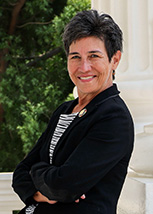
Susan Eggman
DDemocratic
Co
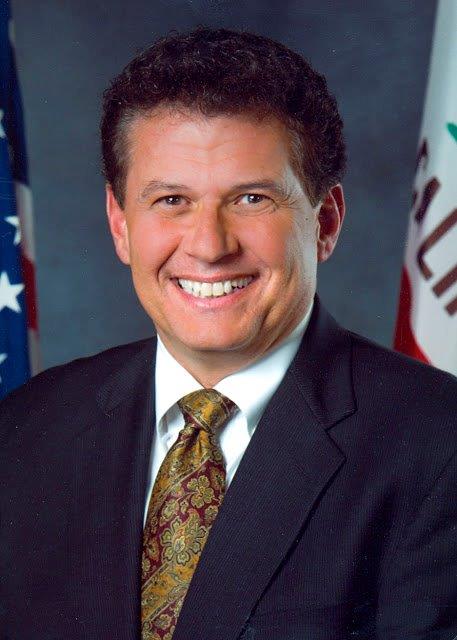
Marty Block
DDemocratic
Co

Nancy Skinner
DDemocratic
Ask Maddy
·
AI policy assistant
Ask Maddy about AB 1572
Scope: CA
Hi! I can help you understand AB 1572. What would you like to know?
Try one of these
i
Maddy answers using official bill text and legislative records. Always verify before sharing.
Sources cited inline