

Human trafficking: interception of electronic communications.
Summary
(1) Existing law authorizes, until January 1, 2015, the Attorney General, or other specified prosecuting officers at the Department of Justice, or a district attorney, to apply for, and a judge to enter, an ex parte order authorizing interception of wire or electronic communications under certain circumstances. Existing law authorizes a judge to enter an order authorizing the interception of communications initially intercepted within the territorial jurisdiction of the court in which the judge is sitting, if the judge determines that, among other things, there is probable cause to believe that an individual is committing, has committed, or is about to commit one of specified felony offenses, including murder and the illegal possession or sale of controlled substances. Existing law proscribes the crime of human trafficking, as defined to include, among other prohibited acts, depriving or violating the personal liberty of another with the intent to obtain forced labor or services or to effect or maintain a specified criminal offense, or inducing or persuading a minor to engage in a commercial sex act. This bill would expand the provisions described above authorizing interception of wire or electronic communications to apply if a judge determines that, among other things, there is probable cause to believe that an individual is committing, has committed, or is about to commit a violation of the provision described above proscribing human trafficking. (2) Existing law specifies obligations for parties applying for and carrying out orders to intercept communications pursuant to the provision described above, and makes a violation of these provisions a misdemeanor or felony. This bill would broaden the types of communications to which these crimes would apply. By creating new crimes, this bill would impose a state-mandated local program. The California Constitution requires the state to reimburse local agencies and school districts for certain costs mandated by the state. Statutory provisions establish procedures for making that reimbursement. This bill would provide that no reimbursement is required by this act for a specified reason.
Bill status
failed
1 of 4 stages cleared
Introduction
Jan 2013
Committee Review
Floor Vote
Governor
Introduced Jan 22, 2013
Last action Feb 3, 2014
Floor votes
How they voted
No floor votes recorded yet.
Full legislative history
Actions timeline
Total actions
10
Key actions
3
Committee
7
Amendments
1
May 24, 2013
Lower · Passed
In committee: Set, final hearing. Held under submission.
lower
May 1, 2013
Committee
In committee: Set, second hearing. Referred to APPR. suspense file.
lower
Apr 10, 2013
Committee
In committee: Set, first hearing. Referred to APPR. suspense file.
lower
Mar 13, 2013
Lower · Passed
From committee: Do pass and re-refer to Com. on APPR. (Ayes 7. Noes 0.) (March 12). Re-referred to Com. on APPR.
lower
Mar 7, 2013
Committee
Re-referred to Com. on PUB. S.
lower
Mar 6, 2013
Introduced
From committee chair, with author's amendments: Amend, and re-refer to Com. on PUB. S. Read second time and amended.
lower
Jan 31, 2013
Committee
Referred to Com. on PUB. S.
lower
Jan 23, 2013
Lower · Passed
From printer. May be heard in committee February 22.
lower
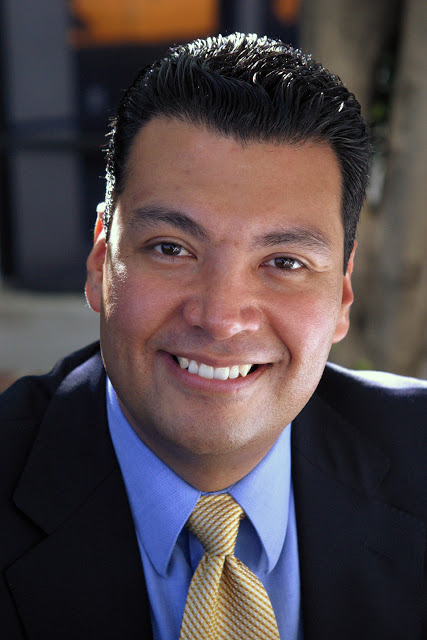
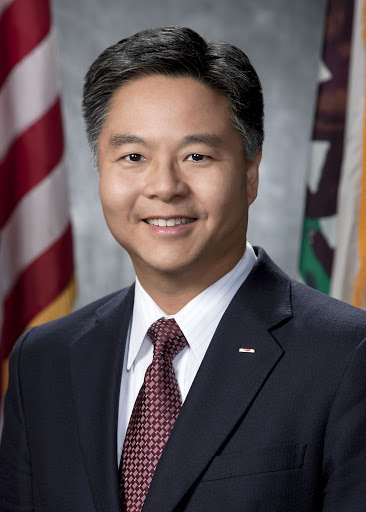
1 primary · 8 co-sponsors
Sponsors




Ask Maddy
·
AI policy assistant
Ask Maddy about AB 156
Scope: CA
Hi! I can help you understand AB 156. What would you like to know?
Try one of these
i
Maddy answers using official bill text and legislative records. Always verify before sharing.
Sources cited inline